
 English
 Español
 عربى
عربى русский
Contact Us
Your email address will not be published. Required fields are marked *
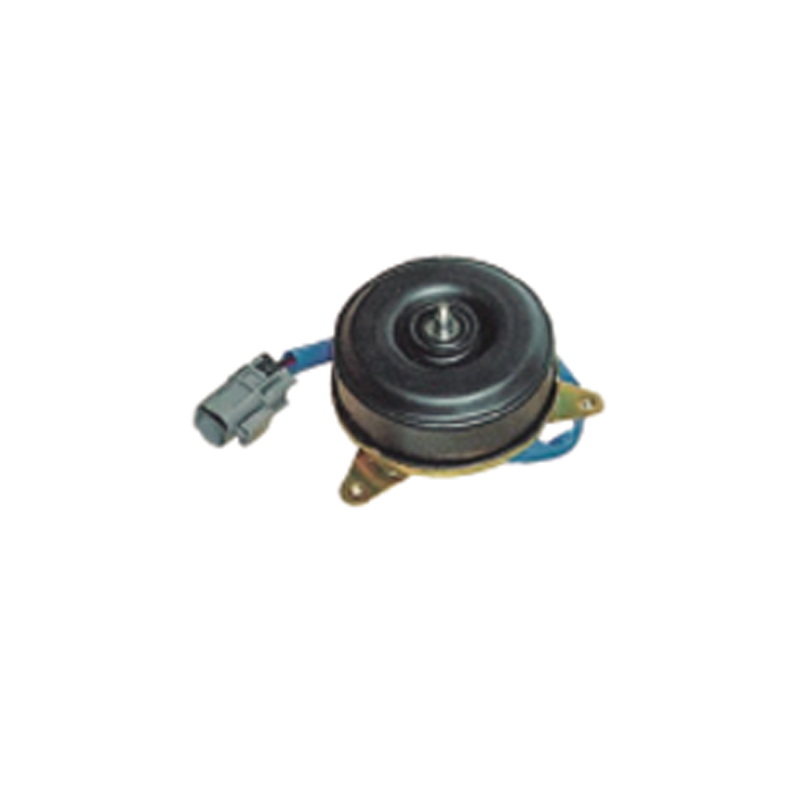
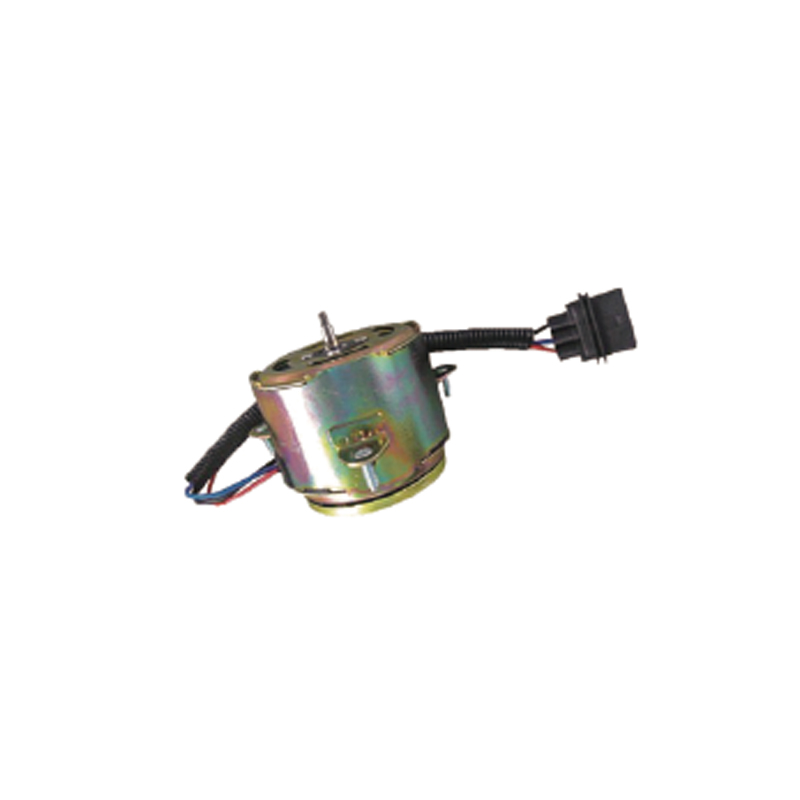
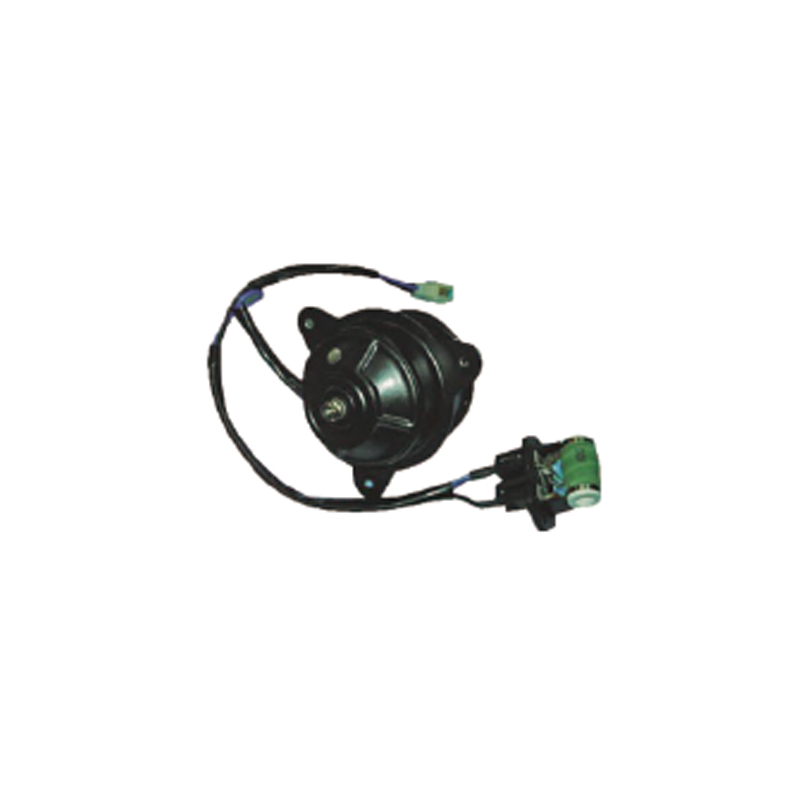
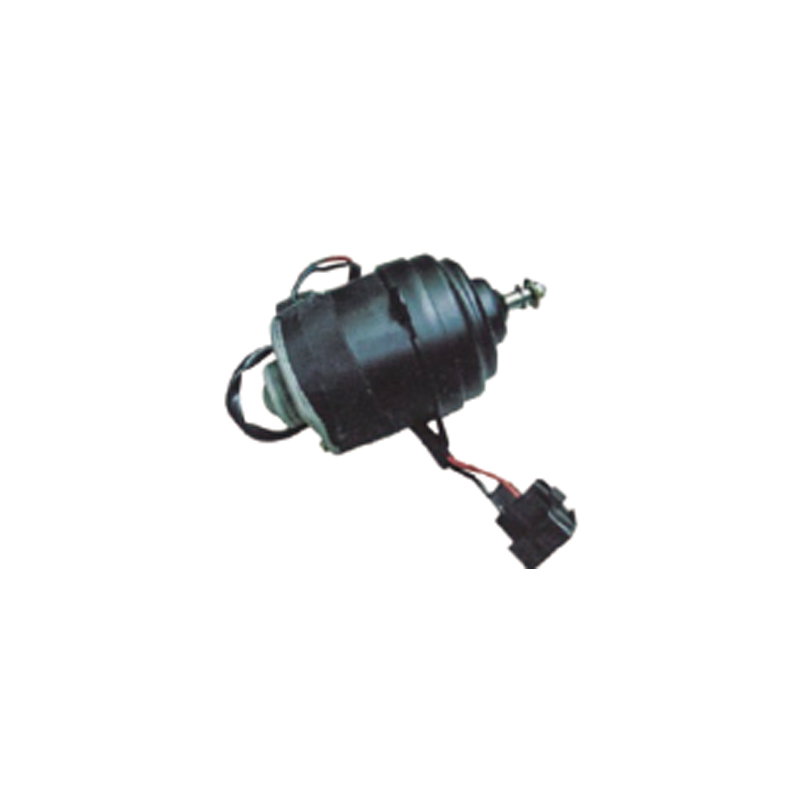
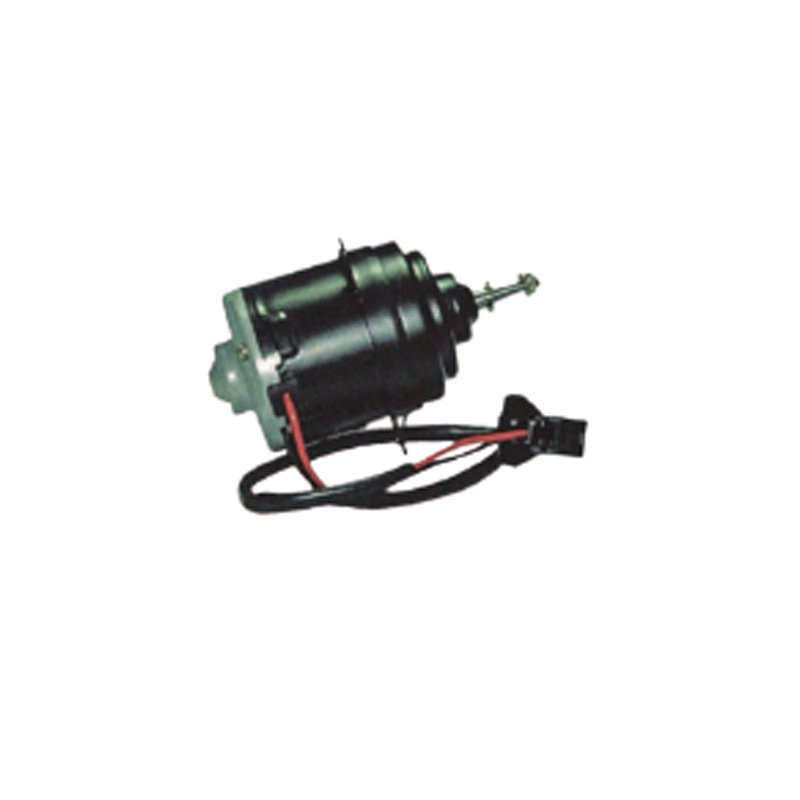
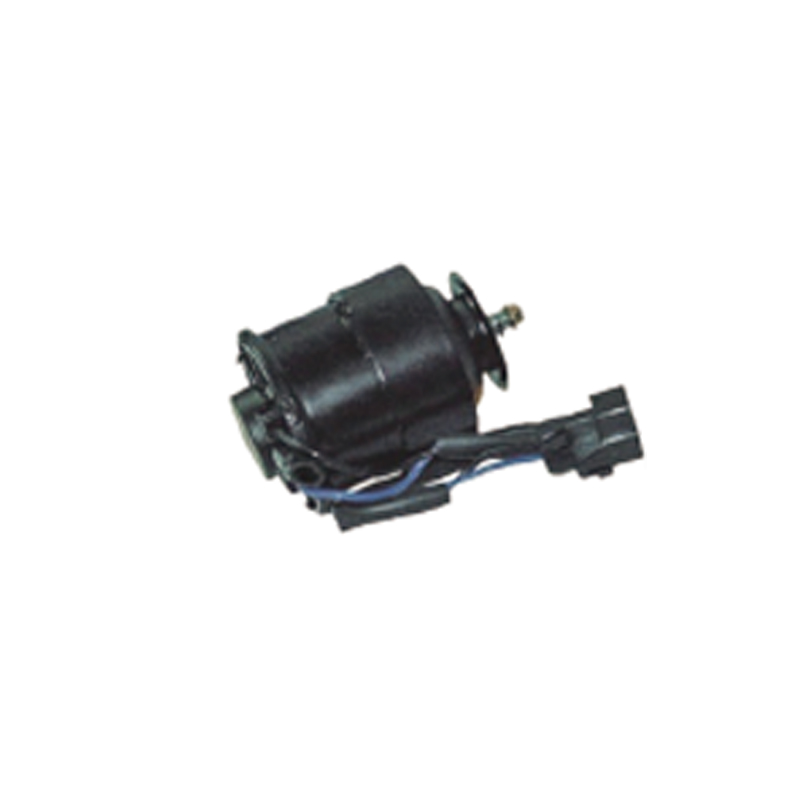
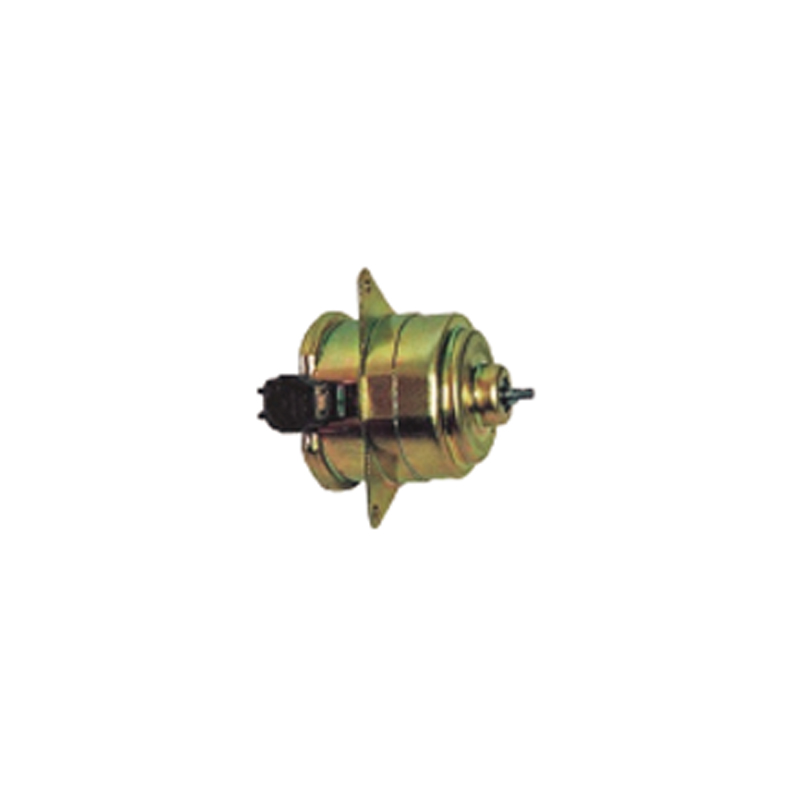
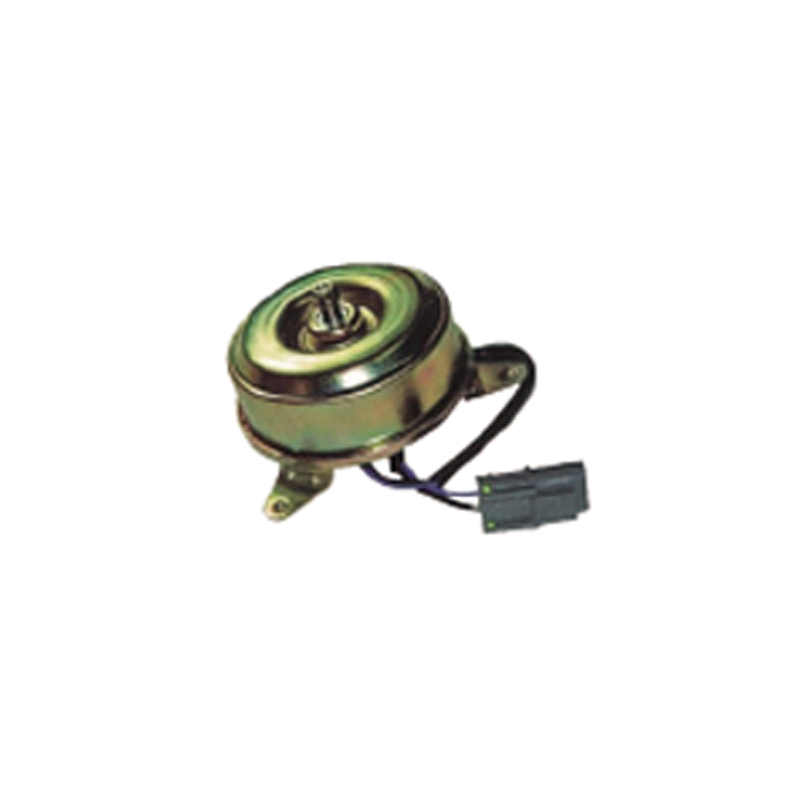
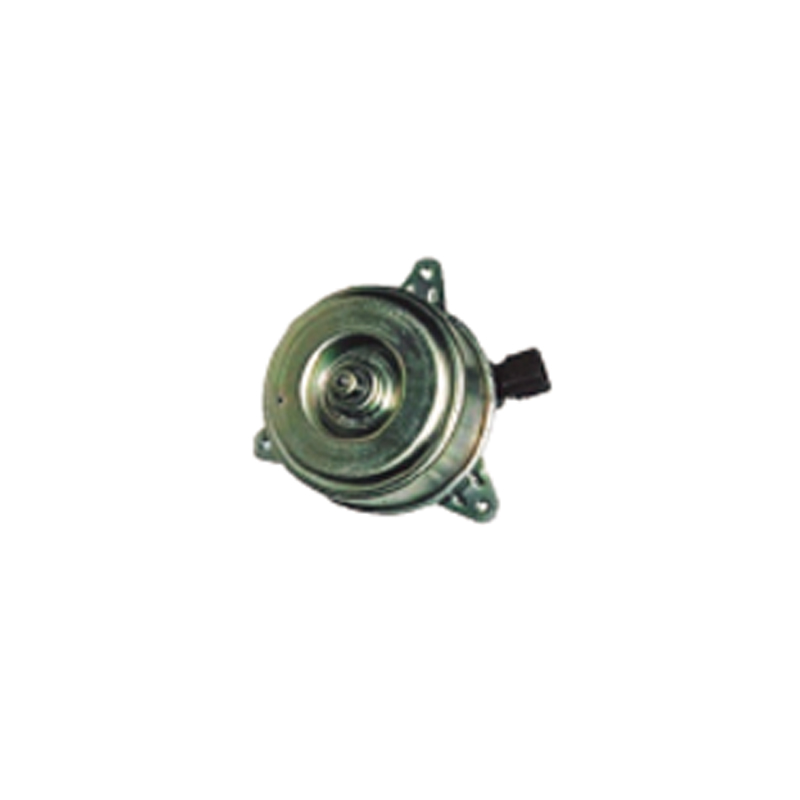
In modern armored vehicles and heavy machinery, the efficiency of cooling systems directly affects operational reliability and longevity. Among the various components, tank radiator fans play a critical role in maintaining optimal engine temperature under demanding conditions. Recent advances in fan technology have shifted the focus toward high-performance, brushless, and energy-efficient solutions, addressing the growing need for durability and precision in military and industrial applications.
One of the defining features of contemporary tank radiator fans is the adoption of brushless motor technology. Unlike traditional fans, brushless designs eliminate mechanical friction caused by brushes, resulting in lower energy consumption and reduced maintenance requirements. This innovation allows continuous high-speed operation while minimizing wear and tear.
The benefits of brushless tank radiator fans include:
This combination of attributes ensures that tank radiator cooling fans can sustain high thermal loads over prolonged periods, which is particularly critical in armored vehicles operating in extreme environments.
Airflow capacity is a pivotal metric in assessing tank radiator fans. Adequate airflow ensures that heat generated by high-output engines is effectively dissipated, preventing engine overheating and maintaining consistent performance. Modern tank radiator fans are engineered for maximum airflow efficiency while optimizing power consumption.
| Feature | Description | Benefit |
|---|---|---|
| Airflow Rate | 2000–5000 CFM | Rapid heat dissipation in high-load conditions |
| Motor Type | Brushless DC | Reduced maintenance, long lifespan |
| Noise Level | 55–70 dB | Minimizes acoustic footprint in operational environments |
| Temperature Resistance | -40°C to 120°C | Reliable operation under extreme climates |
| Power Consumption | 150–400 W | Energy-efficient performance |
Tank radiator fans are exposed to harsh conditions, including dust, moisture, and vibration. High-performance fans feature robust housings and corrosion-resistant materials to withstand these environmental challenges. Advanced sealing techniques prevent ingress of dust and water, ensuring uninterrupted performance in extreme terrains and combat scenarios.
| Durability Feature | Specification |
|---|---|
| Housing Material | Aluminum alloy / reinforced polymer |
| Vibration Resistance | Up to 15g peak |
| Ingress Protection | IP67 rated |
| Operational Longevity | 20,000–40,000 hours |
Energy efficiency has become a crucial factor in designing cooling solutions for armored vehicles. Tank radiator fans with brushless motors consume significantly less energy compared to conventional alternatives. Reduced power draw not only enhances fuel economy but also lowers the thermal load on auxiliary systems, resulting in a more sustainable and reliable operation.
Additionally, integrating smart control systems allows variable fan speed adjustment based on engine temperature. This adaptive approach maintains optimal cooling while minimizing unnecessary energy consumption.
Ease of installation and low maintenance are other essential considerations. Modern tank radiator fans are designed to be modular, allowing rapid replacement or servicing without dismantling major engine components. Reduced maintenance frequency and simplified access points enhance operational uptime, which is especially vital in field operations where prolonged vehicle readiness is required.
| Maintenance Parameter | Description |
|---|---|
| Service Interval | 12–18 months |
| Replacement Ease | Modular design for quick installation |
| Lubrication | Brushless design requires minimal lubrication |
| Monitoring | Integrated thermal sensors for real-time feedback |
The focus is shifting toward intelligent cooling solutions. Integration of sensors, variable-speed control, and predictive maintenance software is expected to enhance the performance of tank radiator fans further. These advancements will enable real-time monitoring of engine temperature, fan health, and airflow performance, allowing proactive adjustments to maintain optimal thermal conditions.
High-performance brushless tank radiator fans with energy-efficient designs will continue to dominate the market due to their combination of durability, efficiency, and adaptability. Innovations in material science and motor control technology are anticipated to drive improvements in airflow capacity, noise reduction, and environmental resistance.
Your email address will not be published. Required fields are marked *

Zhejiang Nicety Electric Machinery Co., Ltd. specializes in the production of four series of products: condenser electronic fan, radiator (water tank) fan, blower, and air conditioner assembly. Professional production American, European, Japanese, Korean And Domestic brand DC automotive axial fans.
Email: [email protected] / [email protected]
Tel: +86-0578-7125439 / +86 181 0658 9231
Address:No. 98, Guangda Street, Jinsha Industrial Zone, Longquan City, Zhejiang Province, China