
 English
 Español
 عربى
عربى русский
Contact Us
Your email address will not be published. Required fields are marked *
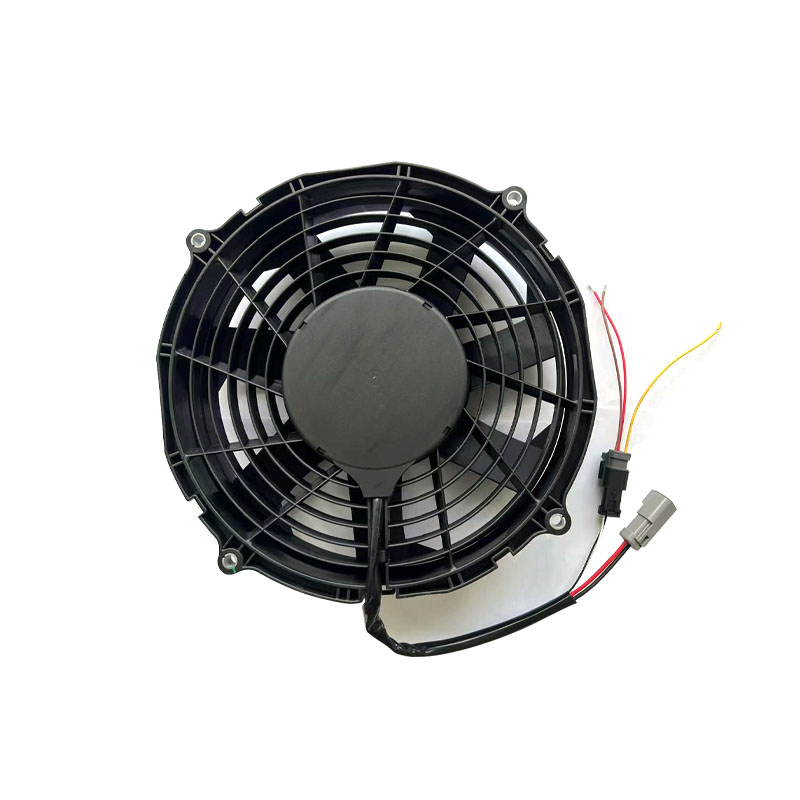
Fans play a crucial role in various applications, helping to maintain airflow and temperature regulation across different systems. Two widely used types are automotive DC centrifugal fans and standard centrifugal fans. While both serve similar functions, they are designed with distinct features to cater to different operational environments.
Before delving into the differences, it’s important to understand the basic concept of centrifugal fans. These fans are designed to move air by converting rotational kinetic energy into air pressure. The airflow generated by centrifugal fans is directed at a right angle to the intake, which is ideal for applications requiring high pressure and relatively low airflow.
This basic principle applies to both automotive DC centrifugal fans and standard centrifugal fans, though their designs and operating conditions differ significantly.
One of the noticeable differences between automotive DC centrifugal fans and standard fans is the design and size.
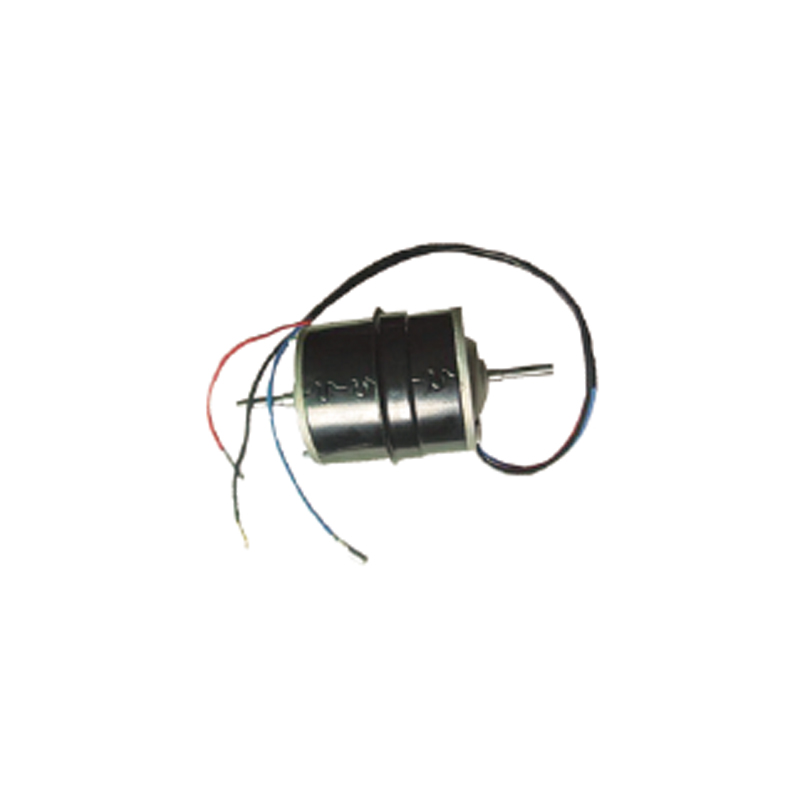
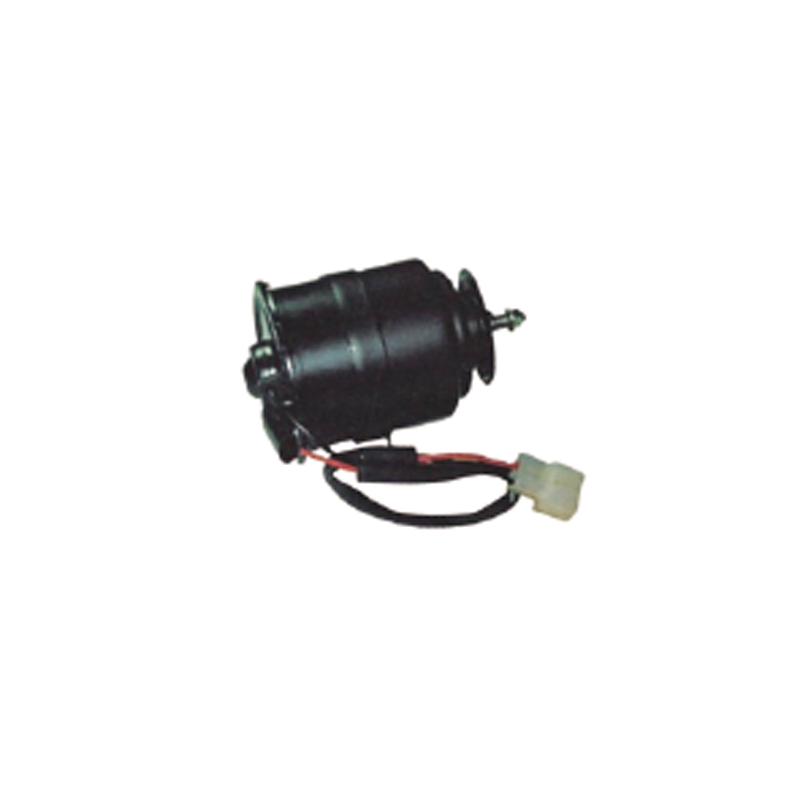
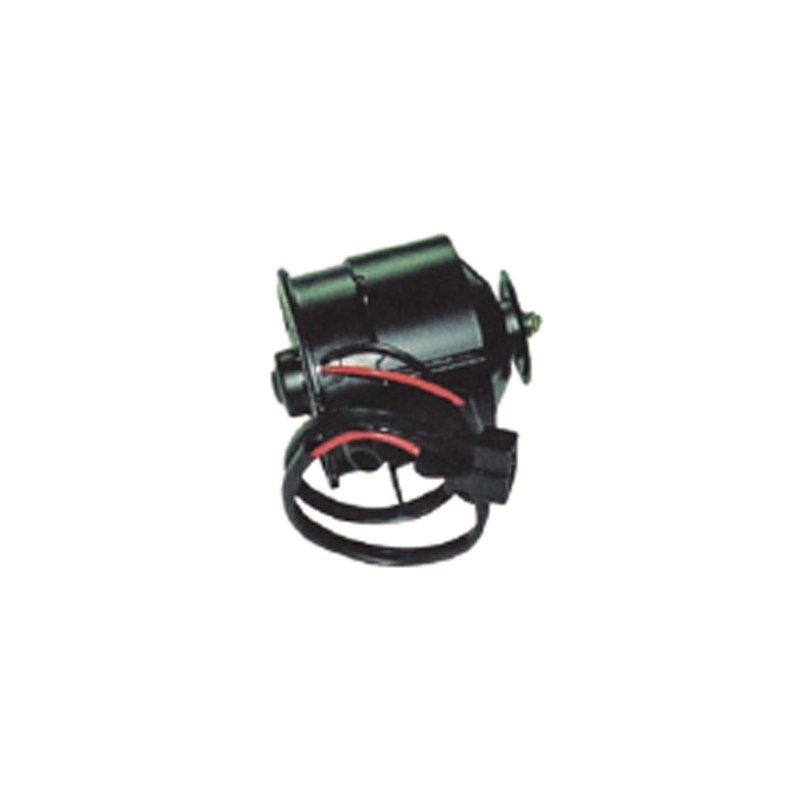
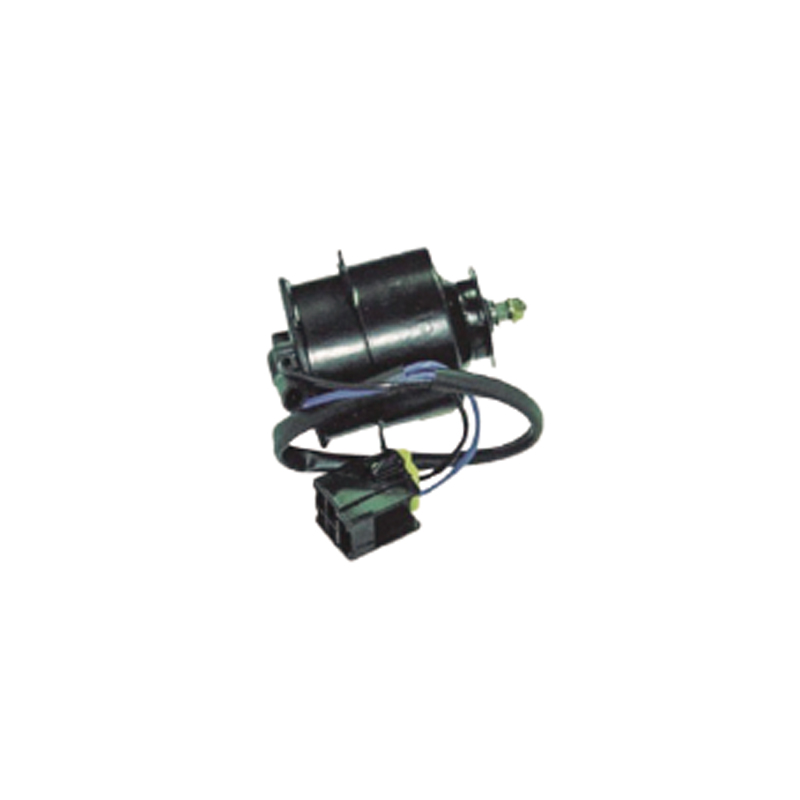
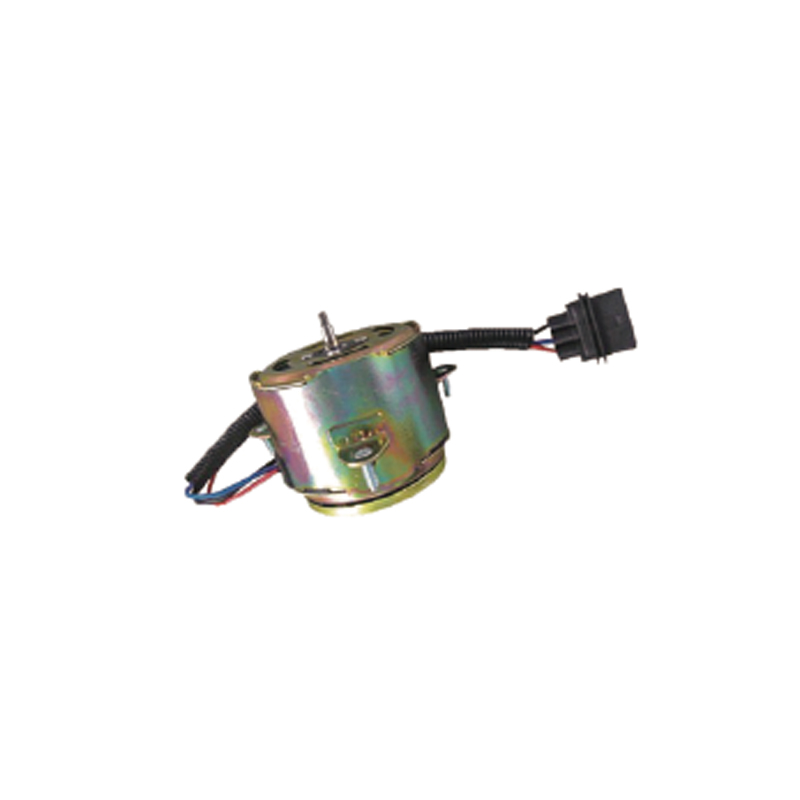
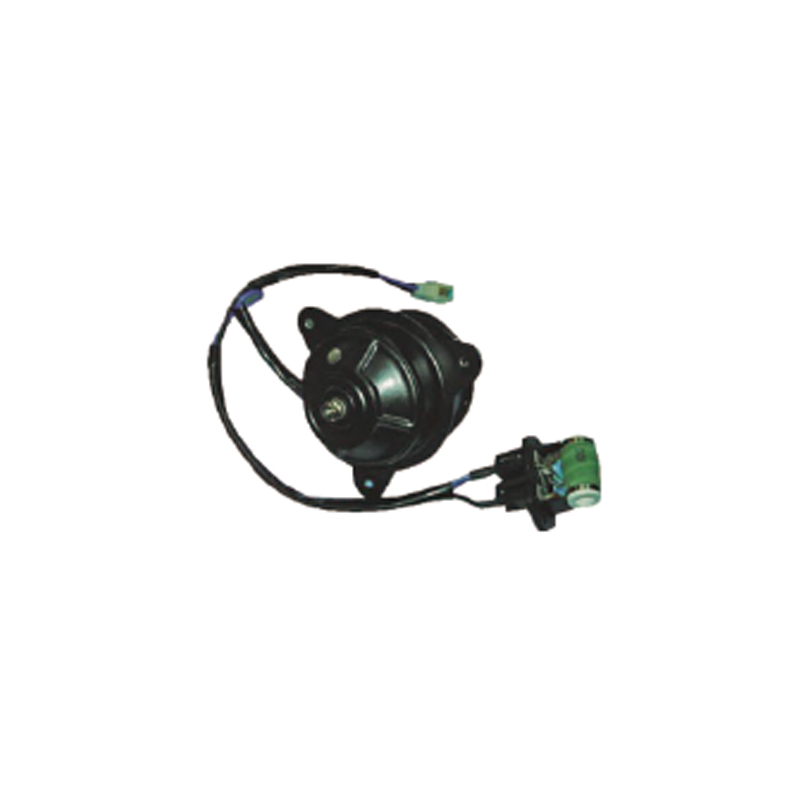
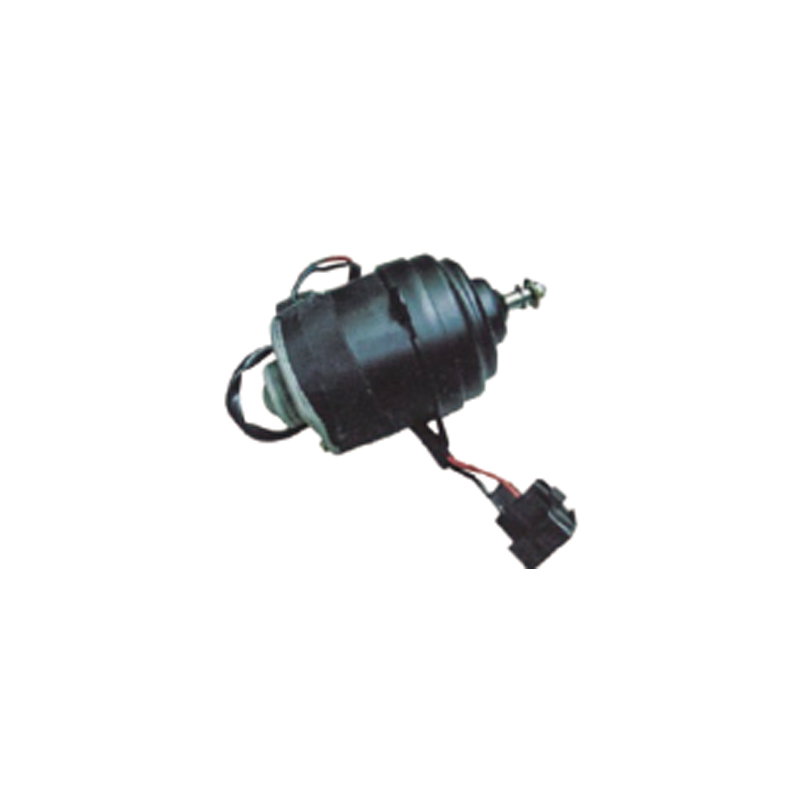
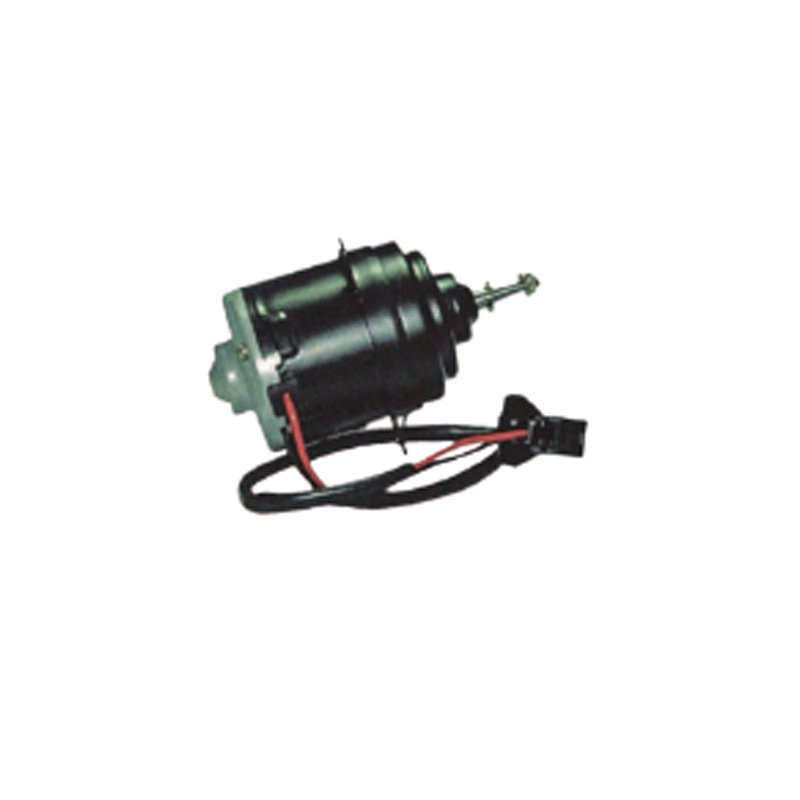
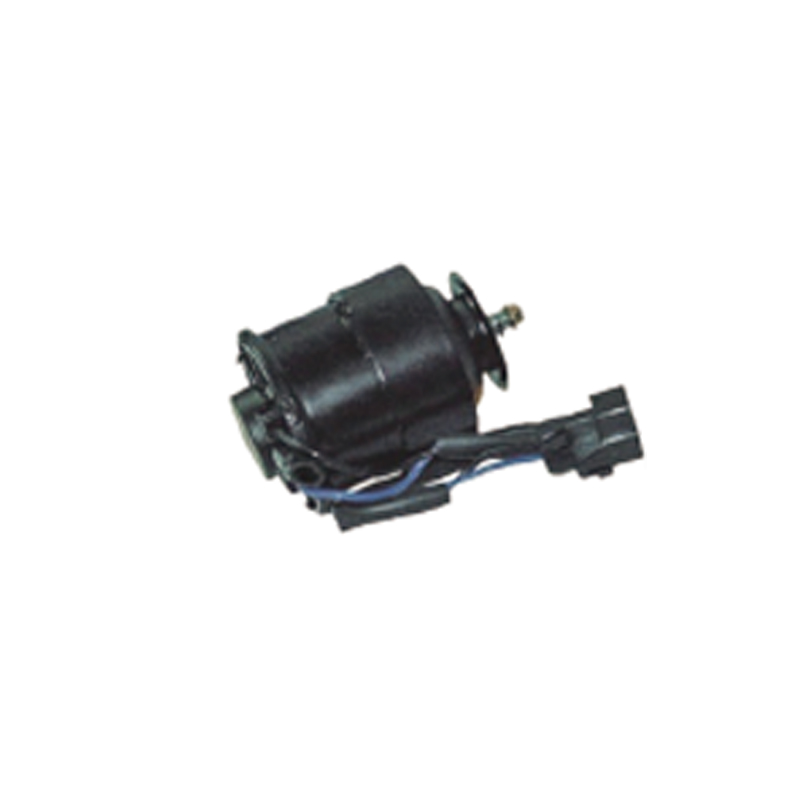
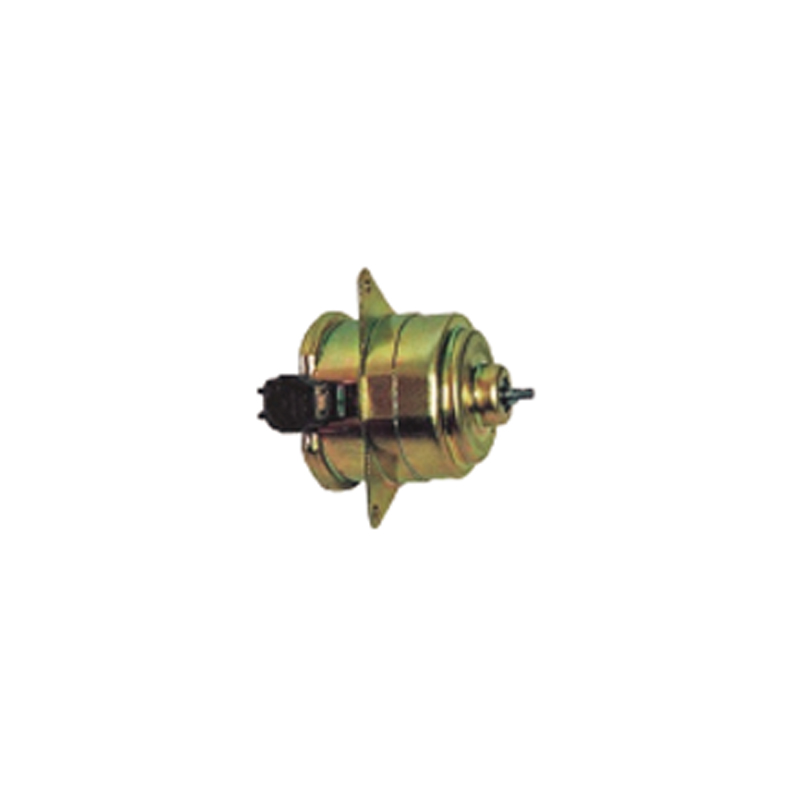
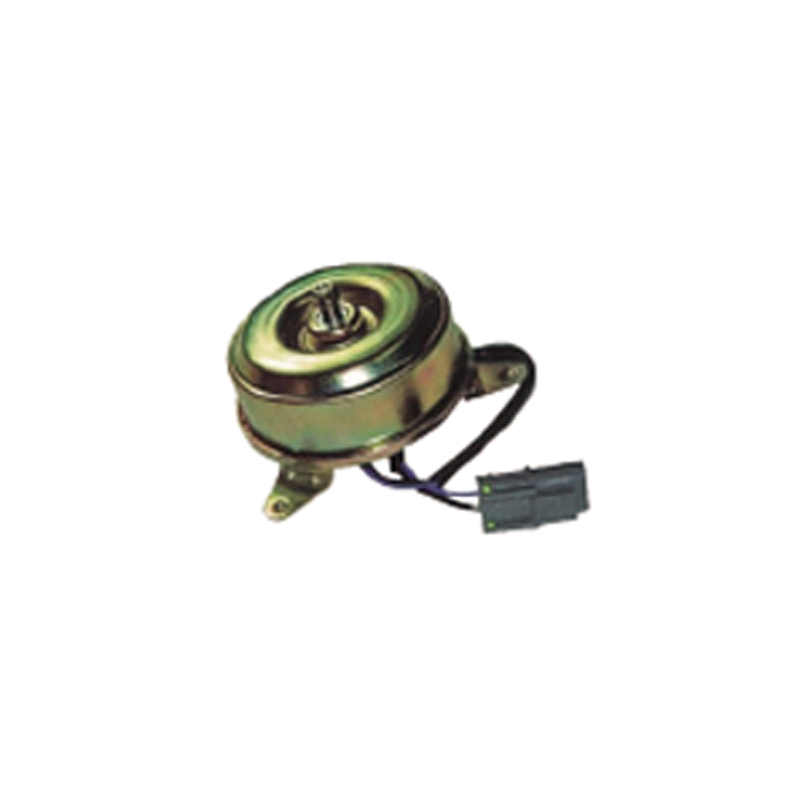
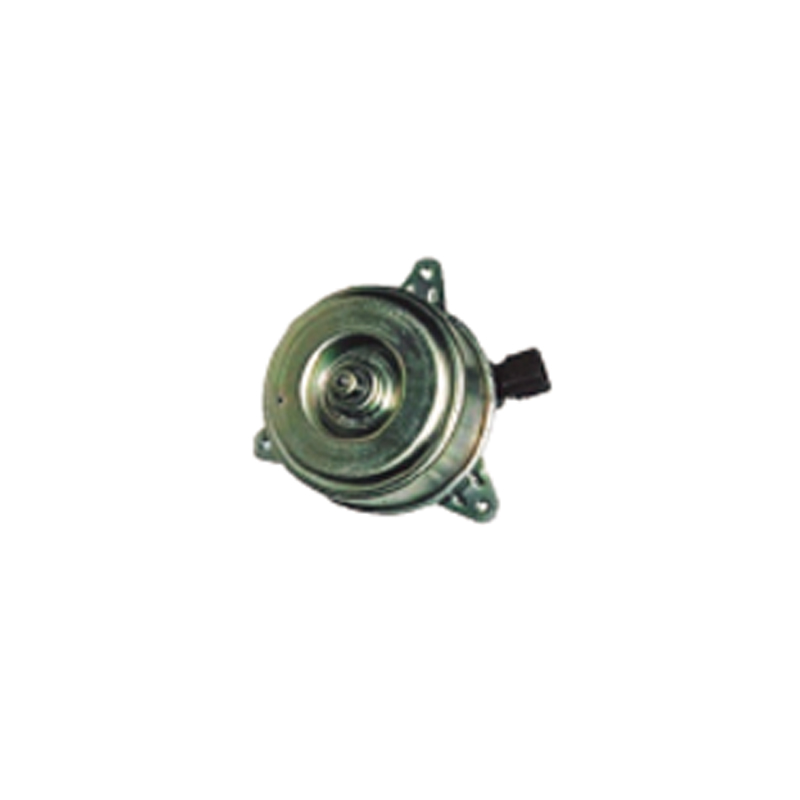
Automotive DC Centrifugal Fans: These fans are typically compact, lightweight, and specifically designed for use in automotive systems. They must operate efficiently within a confined space, such as in the engine compartment or HVAC system of a vehicle. Due to space constraints, these fans are engineered to be small but powerful, often with a focus on quiet operation and energy efficiency.
Standard Centrifugal Fans: Standard centrifugal fans come in a broader range of sizes and are used in various industrial and residential applications. These fans can be larger and may not require the same compact design as automotive fans. The larger size often allows for more robust airflow and higher efficiency, especially in applications such as HVAC systems, industrial ventilation, or cooling systems in larger machinery.
Another key difference is the power source used to drive these fans.
Automotive DC Centrifugal Fans: These fans are powered by direct current (DC) electricity, which is standard in automotive applications. The primary reason for this is that the electrical system in vehicles operates on DC power. Automotive DC centrifugal fans are designed to work seamlessly with the vehicle’s electrical system, ensuring that they consume minimal power while providing adequate airflow.
Standard Centrifugal Fans: Standard centrifugal fans are often powered by alternating current (AC) electricity, which is more common in industrial and residential settings. AC-powered fans tend to be used for larger-scale applications where power availability is not an issue, and energy consumption may not be as critical as it is in automotive systems.
Efficiency is a critical factor in both fan types, but the level of power consumption varies significantly.
Automotive DC Centrifugal Fans: These fans are designed with energy efficiency in mind, as vehicles have limited power reserves and need to manage energy consumption. Automotive DC centrifugal fans are typically optimized to operate at low power levels, often with integrated control systems to adjust fan speeds based on demand.
Standard Centrifugal Fans: While standard fans can also be energy-efficient, especially in industrial settings where high airflow is required, they typically consume more power than automotive DC centrifugal fans. The focus for these fans is more on performance and airflow capacity, with less emphasis on energy conservation compared to automotive applications.
The airflow and pressure generated by centrifugal fans depend heavily on their application and design.
Automotive DC Centrifugal Fans: These fans are designed to generate moderate airflow and high static pressure, which is necessary for applications like cabin ventilation, cooling of electronics, and defrosting the windshield. Due to their smaller size and focus on efficiency, automotive DC centrifugal fans tend to have a more focused airflow.
Standard Centrifugal Fans: Standard centrifugal fans are generally capable of generating higher airflow and pressure, making them ideal for larger-scale applications like industrial ventilation or HVAC systems. These fans are designed to move large volumes of air at relatively low pressures, which makes them suitable for cooling larger machinery and spaces.
The noise level and vibration generated by fans are significant considerations in both automotive and standard applications.
Automotive DC Centrifugal Fans: Noise reduction is a key design feature for automotive DC centrifugal fans. Since they are used in enclosed spaces like car cabins, excessive noise from fans can be disruptive. These fans are engineered to operate quietly, ensuring that air circulation does not interfere with the vehicle’s interior comfort.
Standard Centrifugal Fans: In contrast, noise and vibration are less of a concern for standard centrifugal fans, especially in industrial settings. While efforts are made to minimize noise, these fans are generally designed for performance rather than silence. In some cases, high-performance fans may produce more noise and vibration due to the higher airflow and pressure they generate.
These fans are primarily used in the automotive industry, where they serve the following functions:
Standard centrifugal fans find application across various industries:
| Feature | Automotive DC Centrifugal Fans | Standard Centrifugal Fans |
|---|---|---|
| Size | Compact and lightweight | Larger in size, more versatile |
| Power Source | DC (Direct Current) | AC (Alternating Current) |
| Efficiency | High efficiency, low power consumption | Can be less efficient in large applications |
| Airflow | Moderate airflow with high pressure | Higher airflow with moderate pressure |
| Noise Level | Low noise for vehicle comfort | Higher noise in some industrial models |
| Applications | Automotive HVAC, electronics cooling, ventilation | HVAC, industrial ventilation, dust collection |
In conclusion, automotive DC centrifugal fans and standard centrifugal fans are both crucial for their respective applications but differ significantly in design, power source, efficiency, and application scope. Automotive DC centrifugal fans are tailored for small, energy-efficient use cases within vehicles, while standard centrifugal fans are designed for larger-scale, higher-performance applications. Understanding these differences ensures that the right fan type is chosen for the intended use, optimizing performance, energy consumption, and operational life.
Q1: What is the primary function of automotive DC centrifugal fans?
A1: Automotive DC centrifugal fans are used primarily for cabin ventilation, electronics cooling, and maintaining airflow in HVAC systems within vehicles.
Q2: How does the power source differ between automotive and standard centrifugal fans?
A2: Automotive DC centrifugal fans operate on direct current (DC), while standard centrifugal fans are typically powered by alternating current (AC).
Q3: Why are automotive DC centrifugal fans more energy-efficient?
A3: These fans are designed to consume minimal power, as vehicles have limited energy resources, making energy efficiency a crucial design feature.
Q4: What are the noise concerns for automotive DC centrifugal fans?
A4: Automotive DC centrifugal fans are designed to operate quietly to ensure they do not disrupt the vehicle’s cabin comfort.
Q5: Can standard centrifugal fans be used in automotive applications?
A5: While standard centrifugal fans can theoretically be used in automotive applications, they are generally less suitable due to their larger size and higher power consumption. Automotive fans are designed specifically for the constraints of vehicle environments.
Your email address will not be published. Required fields are marked *

Zhejiang Nicety Electric Machinery Co., Ltd. specializes in the production of four series of products: condenser electronic fan, radiator (water tank) fan, blower, and air conditioner assembly. Professional production American, European, Japanese, Korean And Domestic brand DC automotive axial fans.
Email: [email protected] / [email protected]
Tel: +86-0578-7125439 / +86 181 0658 9231
Address:No. 98, Guangda Street, Jinsha Industrial Zone, Longquan City, Zhejiang Province, China