
 English
 Español
 عربى
عربى русский
Contact Us
Your email address will not be published. Required fields are marked *
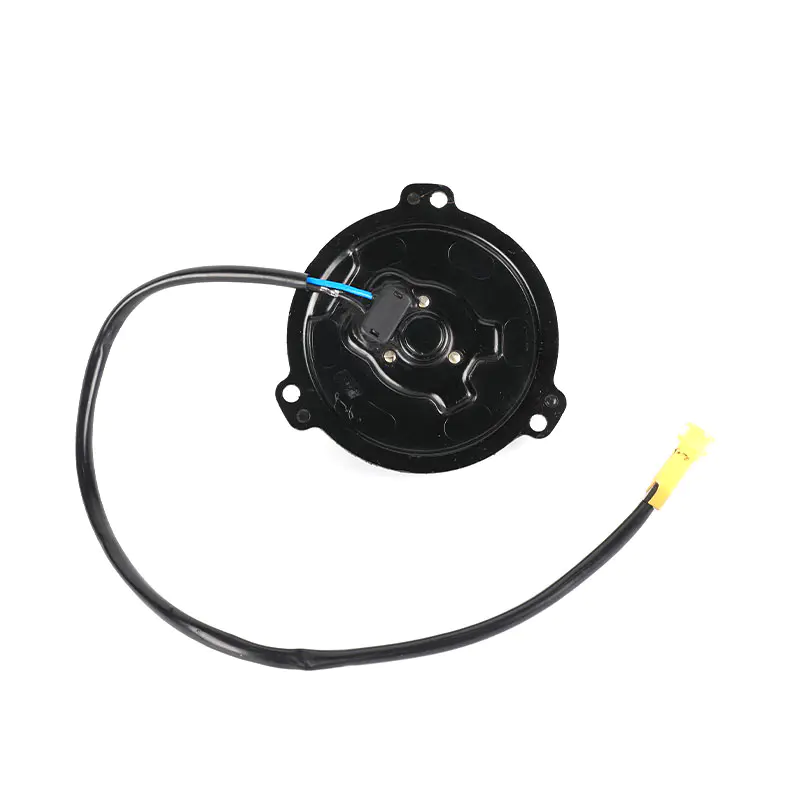
In industrial applications, cooling systems play a critical role in maintaining operating conditions for machinery and equipment. Among the various components used in these systems, DC cooling fan motors stand out as an essential element for enhancing energy efficiency. By providing precise control over airflow, these motors not only ensure that temperature levels remain within safe limits but also reduce energy consumption, thereby optimizing operational costs.
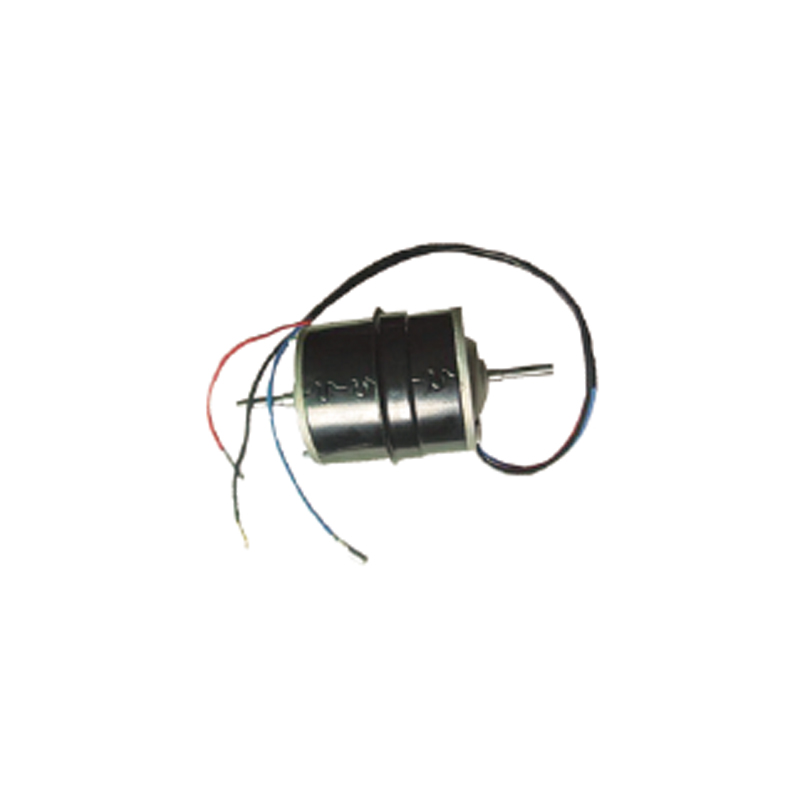
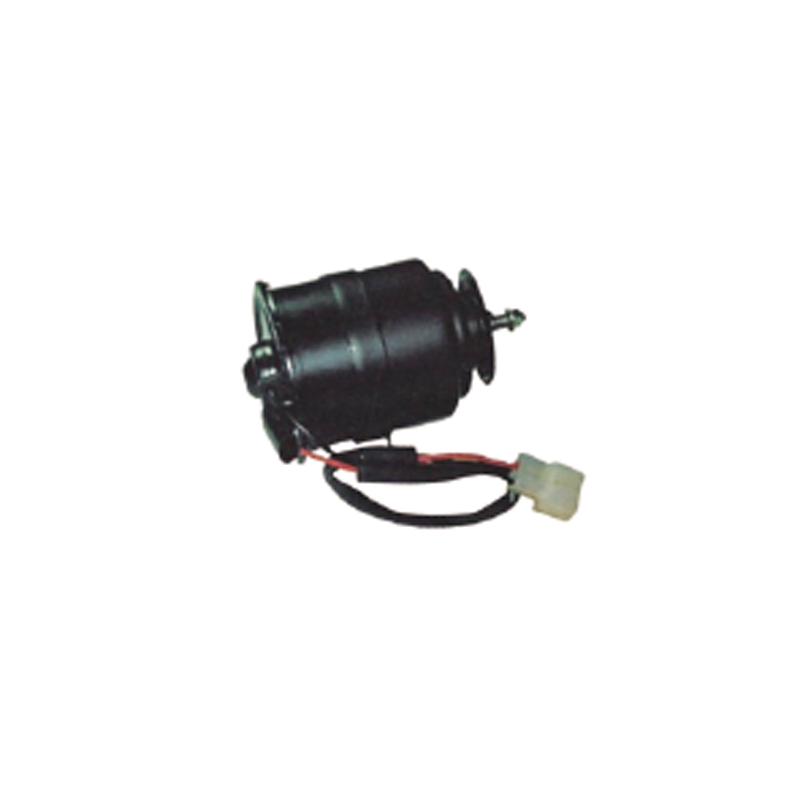
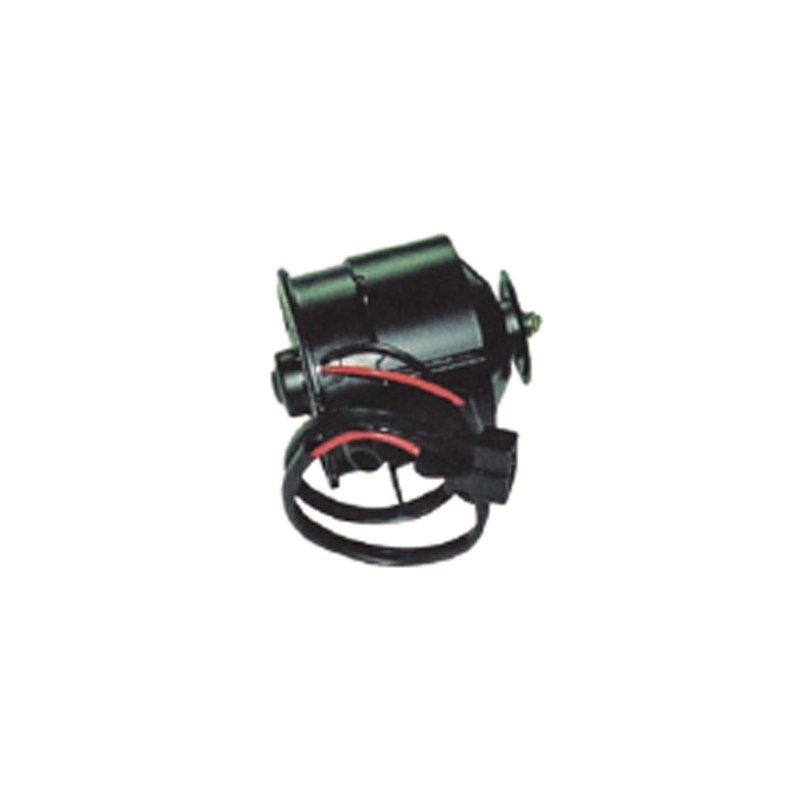
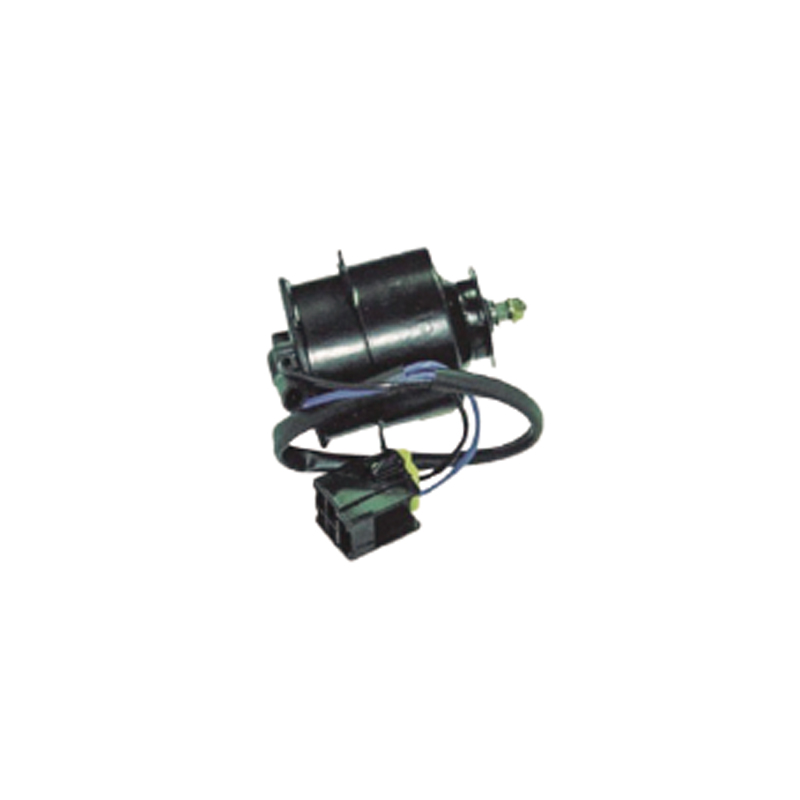
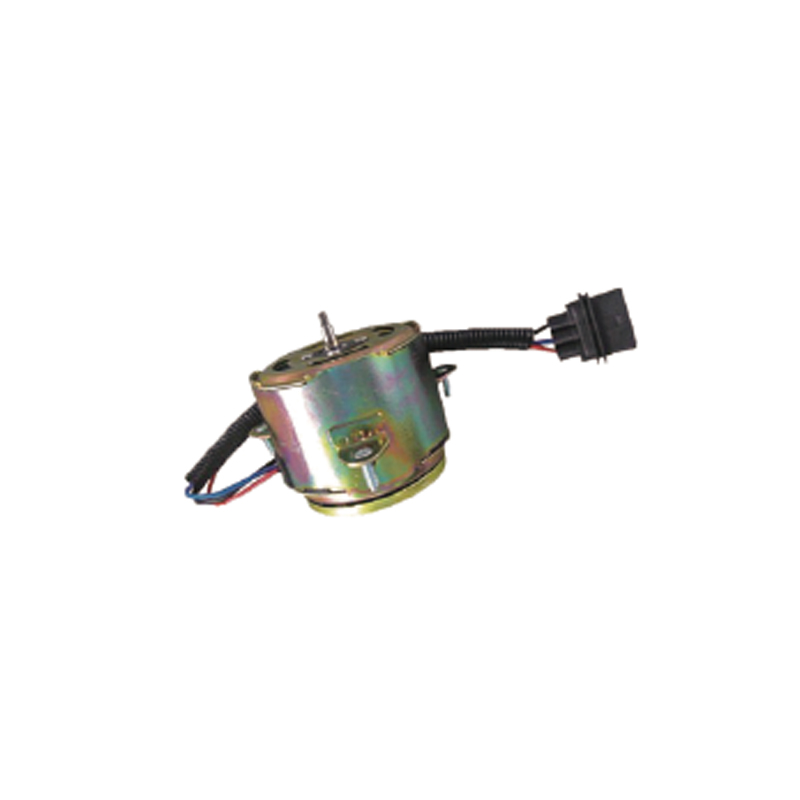
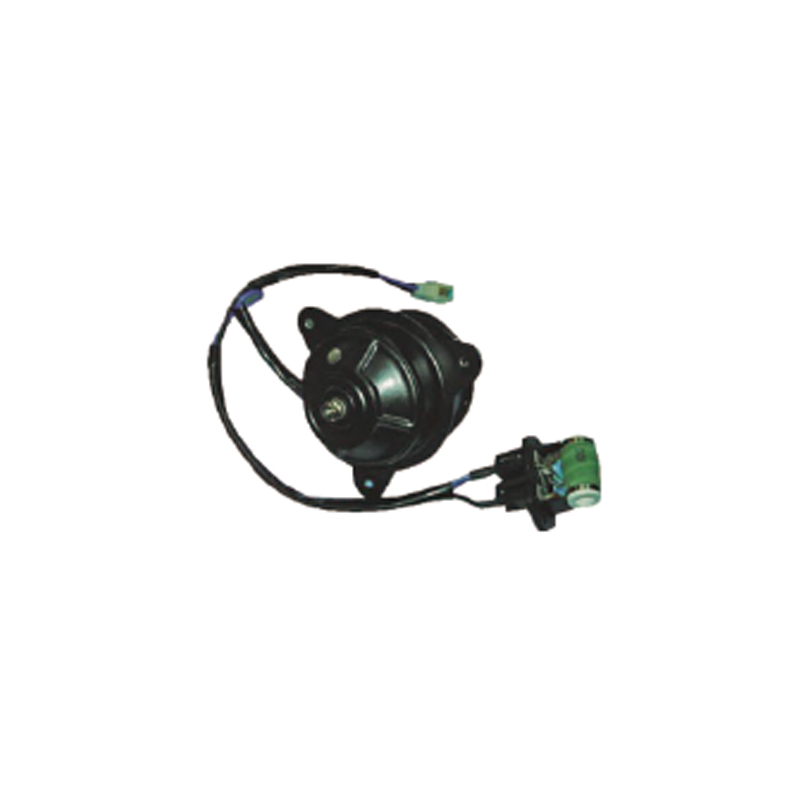
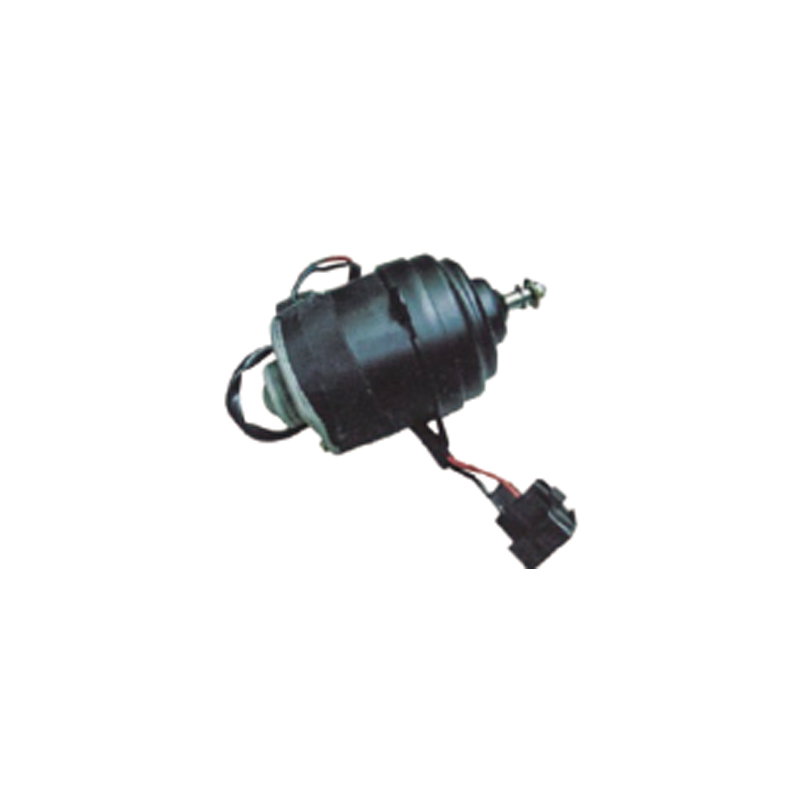
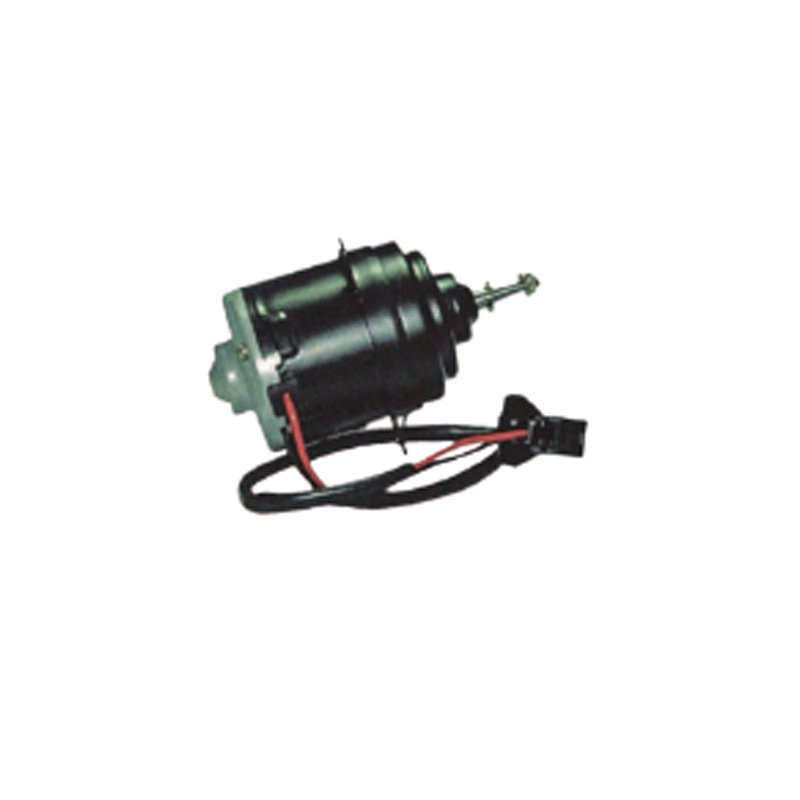
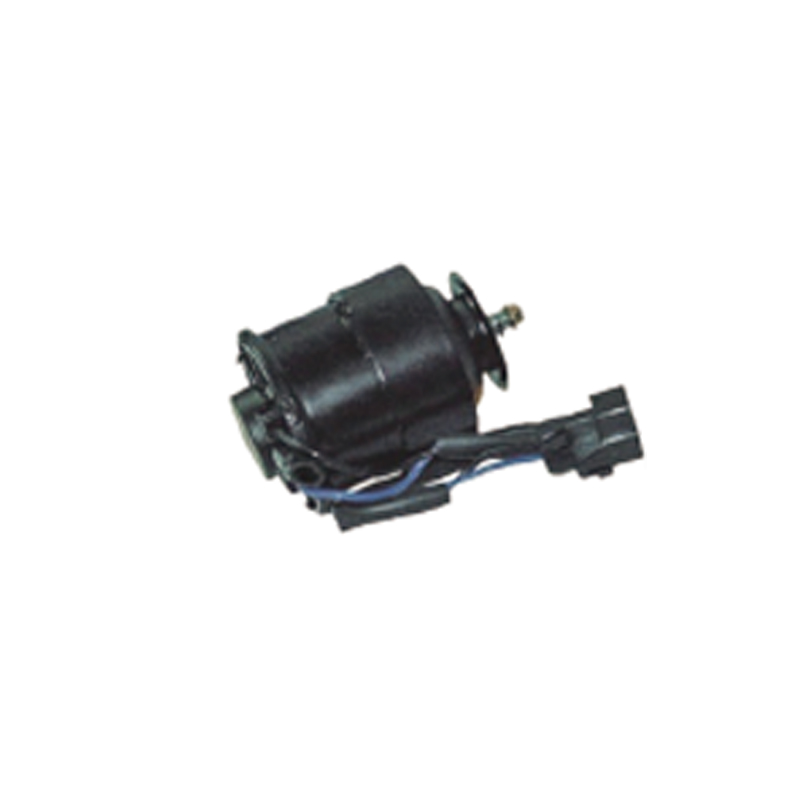
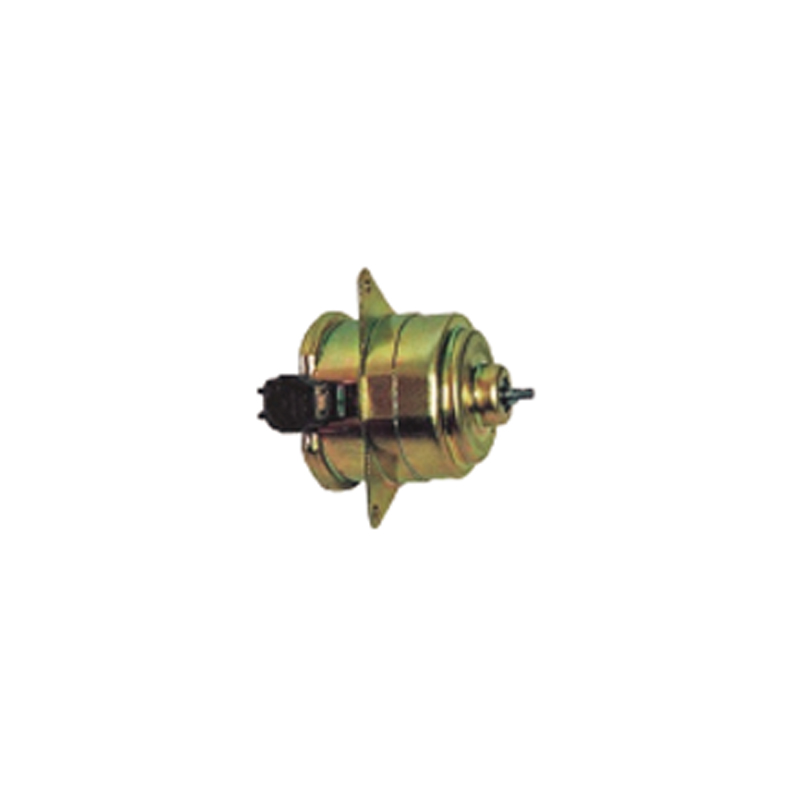
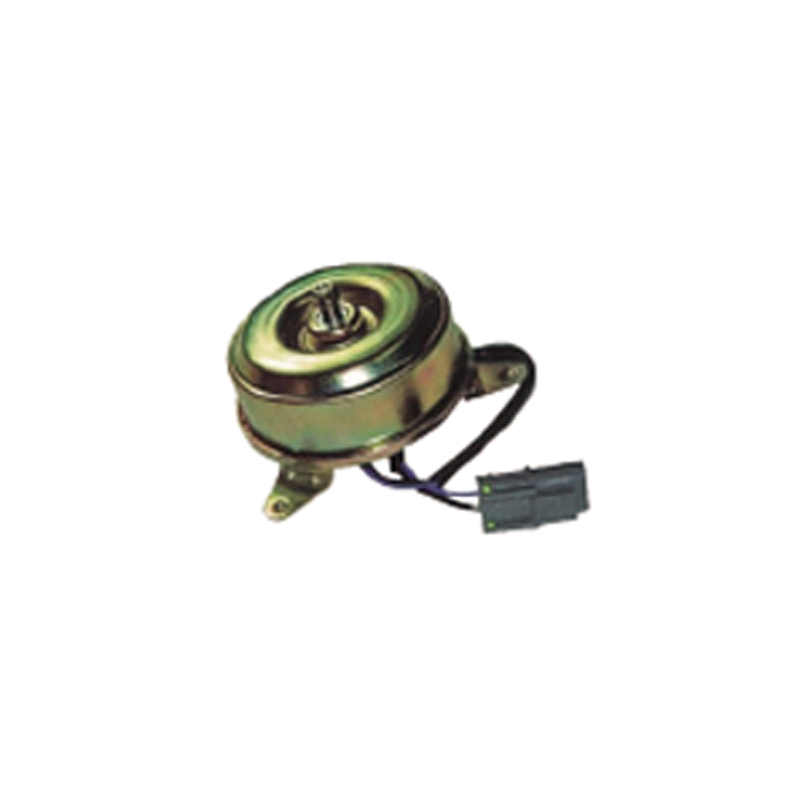
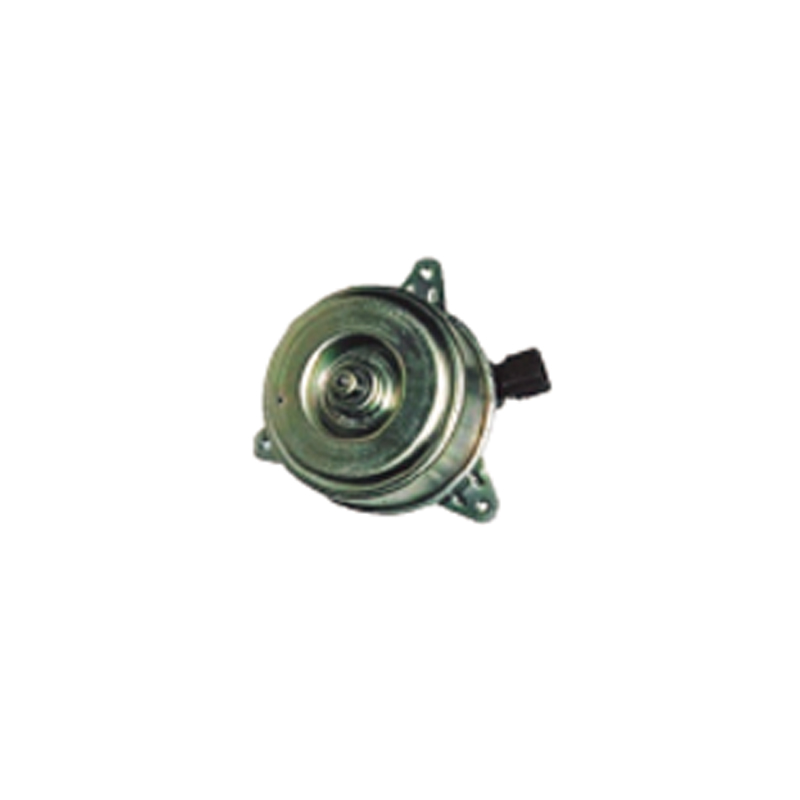
DC cooling fan motors are designed to convert electrical energy into mechanical energy, driving the rotation of fans that circulate air to cool systems or equipment. These motors operate using direct current (DC) electricity, which allows for more efficient energy usage compared to alternating current (AC) motors in specific applications. Their primary advantage lies in their ability to provide variable speed control, allowing for fine-tuned adjustments to meet the cooling demands of industrial systems.
The energy efficiency benefits of DC cooling fan motors are significant, particularly when considering the energy consumption in large-scale industrial environments where cooling systems are in constant use.
DC motors, due to their ability to operate at variable speeds, can adjust to the precise cooling requirements of a system. This leads to a reduction in power consumption, as the motor is not running at full capacity all the time. By matching the fan speed to the cooling needs, DC cooling fan motors eliminate wasteful energy expenditure, which is often seen in systems using traditional AC motors.
Over time, the energy savings from using DC cooling fan motors translate into significant reductions in operational costs. Industries that rely on large HVAC systems, computer servers, or manufacturing processes requiring temperature control can benefit greatly from this energy-saving technology. While the initial cost of installing DC cooling fan motors may be higher, the long-term savings in energy bills provide a quick return on investment (ROI).
By adjusting the speed of the fan motor in real-time, DC cooling fan motors ensure that cooling systems are running at the efficient levels. This results in better temperature regulation and prevents systems from overcooling or undercooling. In sensitive industrial environments, such as semiconductor manufacturing or chemical processing, maintaining the correct temperature is crucial, and DC cooling fan motors help achieve this efficiently.
With a growing focus on sustainability and reducing carbon footprints, using energy-efficient technologies like DC cooling fan motors can help industries meet their environmental goals. By consuming less power and reducing energy waste, these motors contribute to a decrease in greenhouse gas emissions, making them a vital component of green initiatives within industrial operations.
DC cooling fan motors are used in a wide range of industrial applications, each benefiting from the energy efficiency and flexibility offered by these motors.
In industrial HVAC systems, DC cooling fan motors are used to control the airflow and temperature within buildings or production facilities. Their ability to adjust fan speeds in response to changing environmental conditions reduces the energy consumption of the system, especially when compared to traditional AC motors.
Data centers rely heavily on cooling systems to maintain the temperature for servers and equipment. DC cooling fan motors can adjust their speed based on the temperature of the server rooms, ensuring that the cooling systems are only running at the necessary capacity. This leads to considerable energy savings and minimizes the risk of overheating, which can damage sensitive equipment.
Electric vehicles (EVs) and charging stations require efficient cooling systems to manage battery temperatures during operation. DC cooling fan motors are used to cool the batteries and prevent overheating, improving the performance and longevity of the EV batteries.
In manufacturing, especially in processes like injection molding or metalworking, DC cooling fan motors help maintain equipment temperature, ensuring smooth operations. These motors are often integrated into cooling systems that regulate the temperature of machinery or the products being produced, preventing defects or production delays.
When selecting DC cooling fan motors for industrial applications, there are several factors to consider to ensure performance and energy efficiency.
The efficiency of the motor is a crucial factor when choosing a DC cooling fan motor. Motors with higher efficiency ratings will consume less power, resulting in lower energy costs. Additionally, selecting the appropriate power rating for the motor ensures that it is capable of handling the required cooling load without overburdening the system.
For energy efficiency, the DC cooling fan motor should be compatible with the existing control systems in place. Variable speed drives (VSDs) are commonly used in conjunction with DC motors to adjust motor speed in real-time based on cooling demands.
The durability and ease of maintenance of DC cooling fan motors are also important considerations. Motors used in harsh industrial environments should be resistant to factors like dust, moisture, and temperatures. Regular maintenance ensures that the motor continues to perform efficiently over time.
To maximize the energy efficiency of DC cooling fan motors, certain practices should be followed:
Monitoring the performance of the cooling system and the motor can help identify potential inefficiencies. Installing sensors that track temperature and motor performance can provide valuable data to optimize the system further.
Over- or under-sizing a motor can inefficiencies. Ensuring that the DC cooling fan motor is appropriately sized for the cooling load helps maintain performance and minimizes energy waste.
The use of DC cooling fan motors is an effective strategy for improving energy efficiency in industrial applications. By offering variable speed control, high efficiency, and reduced power consumption, these motors provide significant savings on energy costs and contribute to a more sustainable industrial operation.
Q1: What is a DC cooling fan motor?
A DC cooling fan motor is a type of electric motor that uses direct current (DC) to drive a fan, providing efficient cooling for industrial applications by adjusting the speed of the fan based on the cooling requirements.
Q2: How do DC cooling fan motors improve energy efficiency?
DC cooling fan motors improve energy efficiency by allowing variable speed control, which ensures that the motor runs at only the required capacity, reducing unnecessary energy consumption.
Q3: Where are DC cooling fan motors commonly used?
DC cooling fan motors are commonly used in HVAC systems, data centers, electric vehicles, and various industrial manufacturing processes that require precise temperature control.
Q4: What factors should be considered when choosing a DC cooling fan motor?
When choosing a DC cooling fan motor, key factors to consider include motor efficiency, power rating, control system compatibility, and the durability of the motor for specific industrial environments.
Q5: Can DC cooling fan motors help reduce operational costs?
Yes, DC cooling fan motors can help reduce operational costs by consuming less power and improving the overall efficiency of the cooling systems, which results in lower energy bills over time.
Your email address will not be published. Required fields are marked *

Zhejiang Nicety Electric Machinery Co., Ltd. specializes in the production of four series of products: condenser electronic fan, radiator (water tank) fan, blower, and air conditioner assembly. Professional production American, European, Japanese, Korean And Domestic brand DC automotive axial fans.
Email: [email protected] / [email protected]
Tel: +86-0578-7125439 / +86 181 0658 9231
Address:No. 98, Guangda Street, Jinsha Industrial Zone, Longquan City, Zhejiang Province, China