
 English
 Español
 عربى
عربى русский
Contact Us
Your email address will not be published. Required fields are marked *
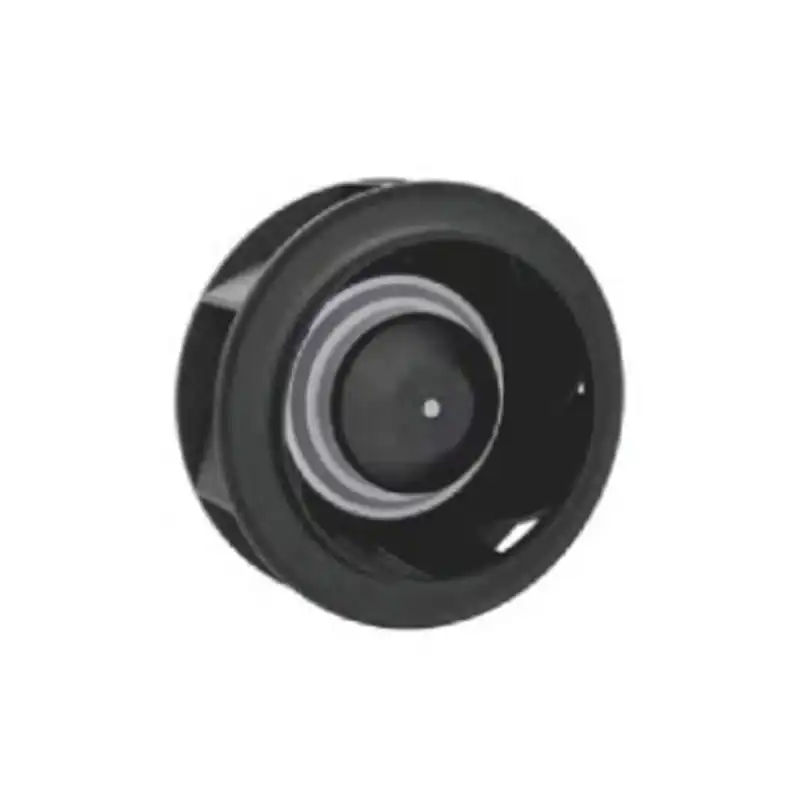
In recent years, energy efficiency has become a critical focus in industrial ventilation, heating, and air conditioning systems. As industries seek to reduce their carbon footprint and improve operational costs, understanding the advantages of different fan technologies becomes essential. Among these, the EC backward tilting centrifugal fans have gained significant attention.
Fans are essential components in a wide range of industries, from HVAC systems in buildings to industrial processes that require ventilation and cooling. The choice of fan technology directly influences energy consumption, operational costs, and the environmental impact of a system. Traditionally, centrifugal fans have been the go-to choice due to their ability to move air efficiently. However, advancements in fan technology have introduced EC backward tilting centrifugal fans, which offer even higher efficiency levels thanks to their brushless motor designs and electronic control systems.
EC backward tilting centrifugal fans are a modern upgrade to traditional centrifugal fans. The key innovation lies in their use of an electronically commutated (EC) motor and a backward tilting impeller. These fans are designed to provide performance with lower energy consumption and greater control over airflow. The backward tilting design reduces power losses and improves efficiency, especially in applications that require high static pressure or where space constraints limit airflow.
Unlike traditional fans, which use an AC motor and mechanical systems to control airflow, EC fans integrate a brushless DC motor and an electronic controller. This setup allows for more precise control of the fan speed, enabling the system to adjust dynamically to the required conditions. This level of control is beneficial in applications such as HVAC systems, industrial ventilation, and other settings that demand constant airflow adjustments.
The backward tilting design of the blades minimizes the energy required to push air through the system. The resulting airflow is smoother and more stable, which leads to less energy wastage compared to traditional forward-tilting fans.
To compare the efficiency of EC backward tilting centrifugal fans with traditional fans, several factors need to be considered:
One of the significant advantages of EC backward tilting centrifugal fans is their lower energy consumption. The brushless DC motor in EC fans allows for more efficient power usage, as the motor only consumes the amount of power needed to maintain the required airflow. On the other hand, traditional centrifugal fans with AC motors are less efficient, as they typically operate at a fixed speed and require more power to maintain the same airflow under varying load conditions.
The ability to modulate airflow efficiently is another key factor in the efficiency of EC backward tilting centrifugal fans. The integrated electronic controller enables precise adjustments to the fan speed, ensuring that the fan only operates at the necessary power level for the given task. This results in less wasted energy compared to traditional fans, which may run at a constant speed regardless of demand.
EC fans are known for their durability due to their brushless motors, which have fewer moving parts compared to traditional AC motors. As a result, EC backward tilting centrifugal fans typically require less maintenance and have a longer lifespan, which can further reduce operational costs in the long term. Traditional fans, with their mechanical components, are more prone to wear and tear and require more frequent maintenance.
In addition to energy efficiency, EC backward tilting centrifugal fans are also quieter in operation. The brushless DC motor and the optimized impeller design reduce vibrations and air turbulence, resulting in quieter performance. Traditional fans, particularly those with forward-tilting blades, tend to produce more noise due to higher vibration levels and less aerodynamic blade designs.
These fans are increasingly used in various industries due to their energy efficiency and performance. Some of the common applications include:
As industries move toward more sustainable practices, the demand for energy-efficient solutions continues to grow. The adoption of EC backward tilting centrifugal fans is expected to increase as companies seek to reduce their energy consumption and environmental impact. Advances in smart controls and IoT integration will likely enhance the capabilities of these fans, allowing for even more optimized performance.
| Feature | EC Backward Tilting Centrifugal Fans | Traditional Fans |
|---|---|---|
| Energy Efficiency | High (due to brushless motors) | Moderate to Low |
| Airflow Control | Precise speed modulation | Fixed speed operation |
| Maintenance Requirements | Low (brushless motor) | High (mechanical parts) |
| Noise Levels | Low (smooth operation) | Higher (due to vibration) |
| Durability | High (fewer moving parts) | Moderate (more parts to wear) |
In conclusion, EC backward tilting centrifugal fans offer a range of advantages over traditional centrifugal fans, particularly in terms of energy efficiency, airflow control, and maintenance costs. These fans are more efficient, quieter, and more durable, making them an ideal choice for modern industrial and commercial applications.
1. What are the key benefits of EC backward tilting centrifugal fans?
2. Are EC backward tilting centrifugal fans suitable for industrial applications?
3. How do EC backward tilting centrifugal fans reduce energy consumption?
4. Can EC fans be integrated with existing systems?
5. What makes EC backward tilting centrifugal fans more durable than traditional fans?
Your email address will not be published. Required fields are marked *

Zhejiang Nicety Electric Machinery Co., Ltd. specializes in the production of four series of products: condenser electronic fan, radiator (water tank) fan, blower, and air conditioner assembly. Professional production American, European, Japanese, Korean And Domestic brand DC automotive axial fans.
Email: [email protected] / [email protected]
Tel: +86-0578-7125439 / +86 181 0658 9231
Address:No. 98, Guangda Street, Jinsha Industrial Zone, Longquan City, Zhejiang Province, China