
 English
 Español
 عربى
عربى русский
Contact Us
Your email address will not be published. Required fields are marked *
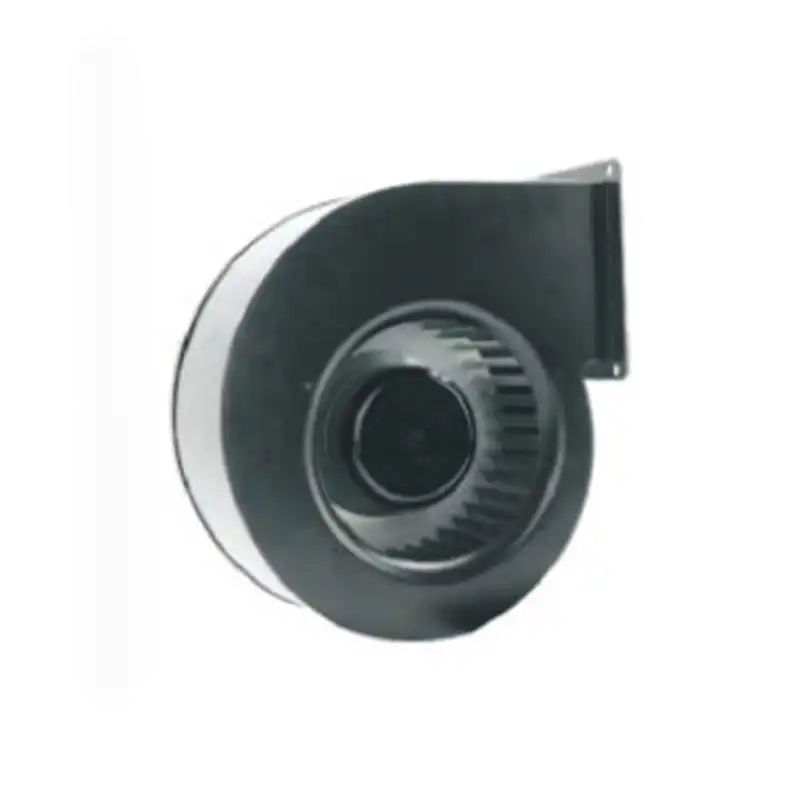
Electronically Commutated (EC) forward-tilting centrifugal fans represent a significant advancement in air movement technology. These innovative devices combine the energy efficiency of EC motors with the aerodynamic advantages of forward-tilting blades to deliver superior performance across various applications. Unlike traditional centrifugal fans, the EC forward-tilting centrifugal fans offer precise speed control, reduced energy consumption, and quieter operation.
The unique blade design in these fans creates several operational advantages:
The integration of EC motor technology brings additional benefits that complement the forward-tilting blade design:
The combination of EC technology and forward-tilting blade geometry makes these fans particularly suitable for specific applications where efficiency, control, and reliability are paramount.
In heating, ventilation, and air conditioning systems, forward-tilting EC fan systems provide:
For industrial applications, these fans offer distinct advantages:
When evaluating fan technologies, several key differences become apparent between EC forward-tilt designs and conventional alternatives.
| Feature | EC Forward-Tilt Fans | Traditional Centrifugal Fans |
|---|---|---|
| Energy Efficiency | 40-60% better | Standard efficiency |
| Noise Levels | 5-10 dB lower | Higher baseline noise |
| Speed Control | Precise 10-100% range | Limited control options |
| Maintenance Needs | Minimal | Regular bearing maintenance |
The long-term cost benefits of EC forward-tilt fans vs traditional options become clear when examining total cost of ownership:
To maximize the benefits of these advanced fan systems, proper selection and implementation are crucial.
Selecting the right size energy efficient EC forward-tilt fan involves:
Proper installation techniques ensure optimal performance:
While durable forward-tilting EC fans require less maintenance than conventional options, proper care still extends service life and maintains efficiency.
A comprehensive maintenance program should include:
For maximizing equipment lifespan:
The evolution of these systems continues with several promising advancements on the horizon.
Current research and development focuses on:
Future designs will likely emphasize:
Your email address will not be published. Required fields are marked *

Zhejiang Nicety Electric Machinery Co., Ltd. specializes in the production of four series of products: condenser electronic fan, radiator (water tank) fan, blower, and air conditioner assembly. Professional production American, European, Japanese, Korean And Domestic brand DC automotive axial fans.
Email: [email protected] / [email protected]
Tel: +86-0578-7125439 / +86 181 0658 9231
Address:No. 98, Guangda Street, Jinsha Industrial Zone, Longquan City, Zhejiang Province, China