
 English
 Español
 عربى
عربى русский
Contact Us
Your email address will not be published. Required fields are marked *
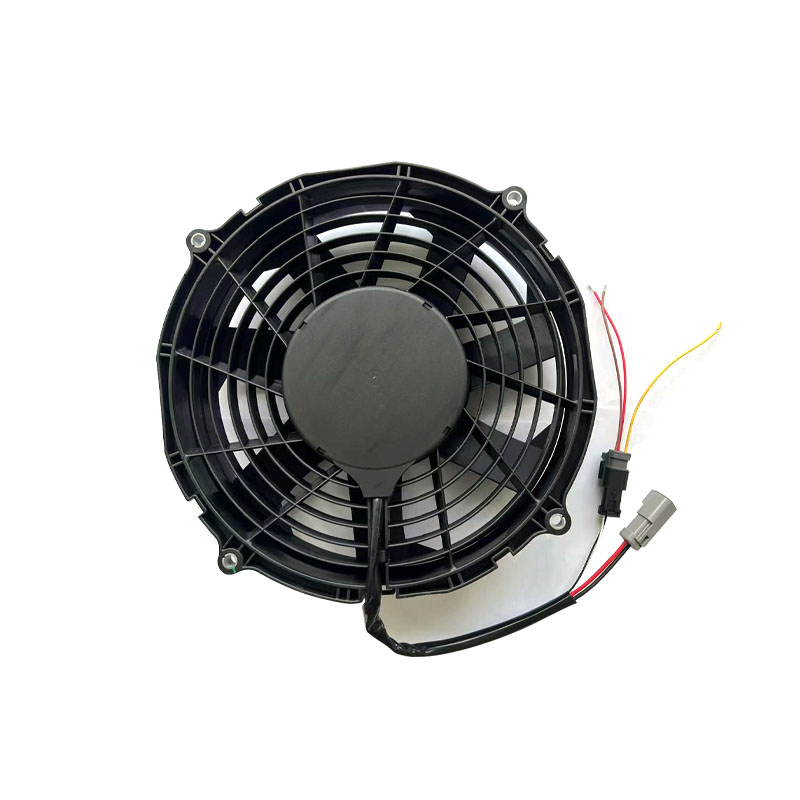
DC automotive axial fans are essential components for vehicles, designed to manage airflow and maintain engine temperatures. As more consumers and manufacturers prioritize efficiency, noise reduction, and compactness, choosing the right DC axial fan becomes critical.
Before diving into the specifics, it is important to understand what DC automotive axial fans are and how they work. These fans are designed to move air along the axis of the fan, and they are typically powered by direct current (DC) motors. These fans play a crucial role in regulating temperatures and airflow in various vehicle systems, including engine cooling, HVAC systems, and electrical components.
One of the considerations when selecting a DC axial fan is ensuring it fits the available space in your vehicle. The size of the fan should correspond with the intended application. For instance, cooling fans for engines require different size specifications compared to those used in cabin ventilation systems.
Common Fan Sizes for Automotive Applications
| Application Type | Fan Diameter (inches) | Mounting Type | Airflow Capacity (CFM) |
|---|---|---|---|
| Engine Cooling | 12-16 inches | Direct or Shroud | 150-300 CFM |
| HVAC Systems | 6-10 inches | Mounted on Housing | 60-150 CFM |
| Battery Cooling | 8-14 inches | Mounted on Battery | 100-200 CFM |
The efficiency of the fan in terms of airflow is another critical factor. Higher airflow capacity ensures better cooling performance, which is especially important in high-performance or electric vehicles where overheating can severe damage. Look for fans that offer high CFM (Cubic Feet per Minute) ratings to ensure airflow.
Power consumption is an important factor, particularly in modern electric vehicles where battery life is paramount. A low-power consuming fan will ensure that more energy is available for the vehicle’s primary functions, such as driving. Most DC automotive axial fans are designed to operate efficiently within a range of voltages, typically 12V or 24V. Ensuring compatibility with your vehicle’s power system is essential.
The durability of the fan and its components is crucial, especially in automotive applications where the fan will be exposed to harsh conditions, including high temperatures, vibrations, and moisture. Look for fans made from materials like reinforced plastic or aluminum that can withstand wear and tear while maintaining performance.
Noise can be a significant concern, especially in passenger vehicles where comfort is a priority. The fan’s noise level should be minimal to avoid disruption, particularly in quiet or luxury vehicles. Look for DC automotive axial fans that are engineered with noise-reduction features, such as well-balanced blades and noise-dampening casings.
The type of motor used in the fan will influence both performance and energy efficiency. DC motors are commonly used in automotive applications due to their efficiency and precise control. Many DC automotive axial fans come with variable speed controls, which help in adjusting the airflow according to specific vehicle demands.
Ease of installation and maintenance is also an important consideration. A fan that is easy to install, requires minimal tools, and has accessible components for repair can save time and costs in the long run. Some DC automotive axial fans come with plug-and-play designs that make installation straightforward.
DC automotive axial fans are commonly used in engine cooling systems. They help maintain the engine at a safe operating temperature by directing air through the radiator, ensuring that the engine does not overheat. When selecting a fan for engine cooling, ensure it meets the required airflow capacity and durability to withstand the vehicle’s operating conditions.
In HVAC systems, DC automotive axial fans help to circulate air inside the cabin. A fan with adjustable speed and low power consumption can help regulate temperature and maintain comfort without draining the vehicle’s battery.
In electric vehicles, the battery management system requires constant temperature regulation to avoid degradation. DC axial fans are used to cool down the battery packs, ensuring that the vehicle’s battery operates efficiently over time.
To select the ideal DC axial fan for your vehicle, it is essential to evaluate the specific requirements based on the type of vehicle, application, and conditions it will operate under. It is also advisable to consult with professionals or the vehicle’s manufacturer to ensure compatibility with your system.
Choosing the right DC automotive axial fan is a critical decision that affects vehicle performance, energy efficiency, and comfort. By considering factors such as size, airflow efficiency, power consumption, and durability, you can make an informed choice that enhances your vehicle’s cooling systems. Always prioritize high-quality materials and compatibility with your vehicle’s electrical system to ensure a long-lasting and reliable performance.
1. What is the difference between a DC automotive axial fan and a conventional fan?
DC automotive axial fans are designed to run on direct current and are more energy-efficient, offering better control and versatility compared to conventional AC fans.
2. How do I determine the appropriate size for a DC axial fan in my vehicle?
The size of the fan should be chosen based on the available space and the airflow requirements of the application, such as engine cooling or HVAC.
3. Can I use a DC axial fan in an electric vehicle?
Yes, DC axial fans are ideal for electric vehicles as they consume less power and help manage the temperature of the battery packs efficiently.
4. What is the importance of noise reduction in automotive fans?
Reducing noise enhances the comfort of the vehicle’s interior and is particularly important for luxury or noise-sensitive models.
5. How do I maintain my DC automotive axial fan?
Regularly inspect the fan for debris, ensure that the blades are balanced, and clean the motor to extend its lifespan and maintain efficient operation.
Your email address will not be published. Required fields are marked *

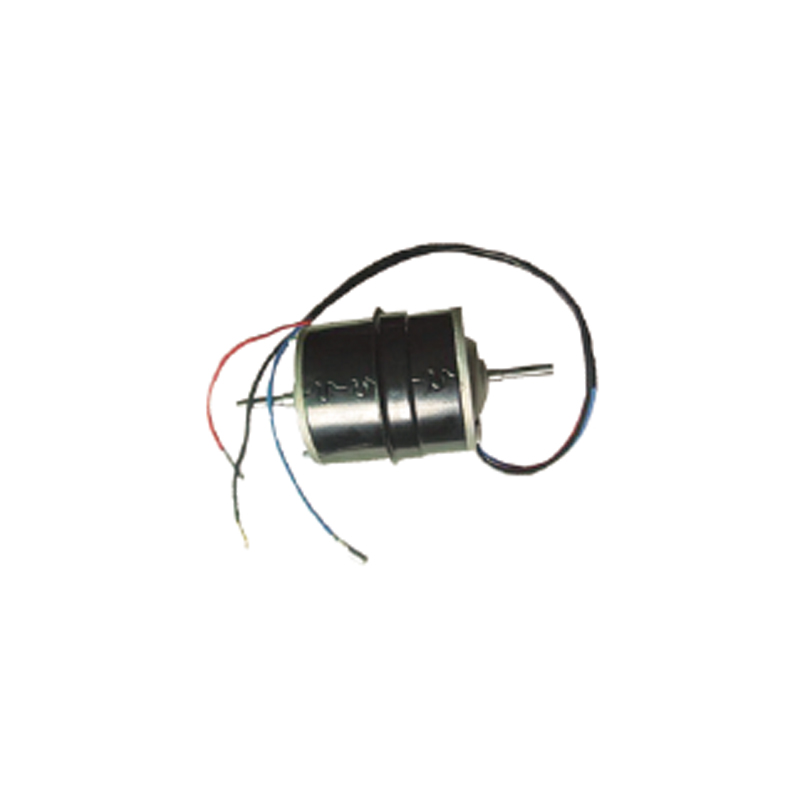
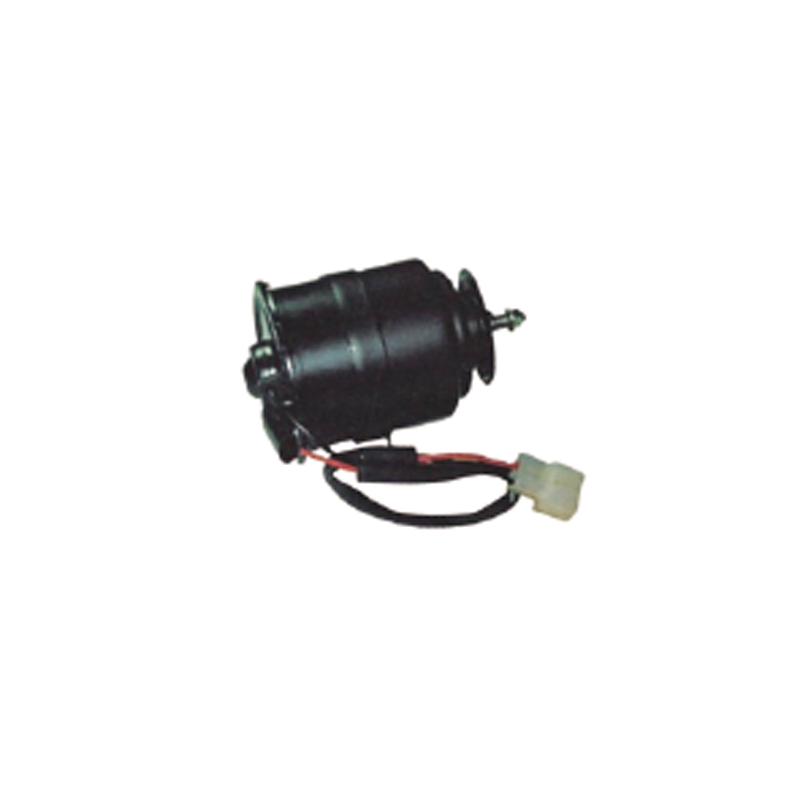
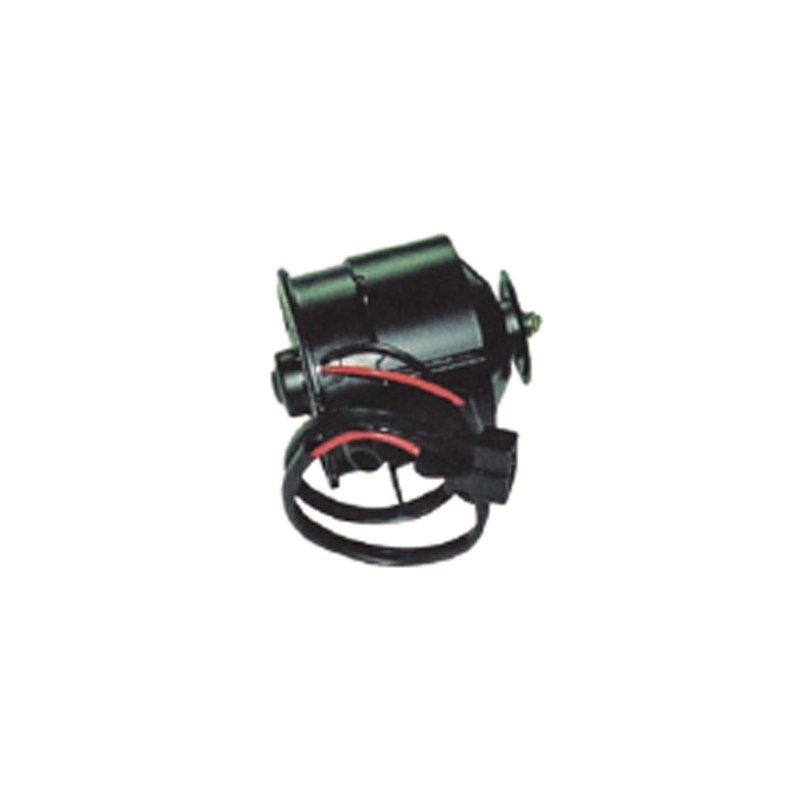
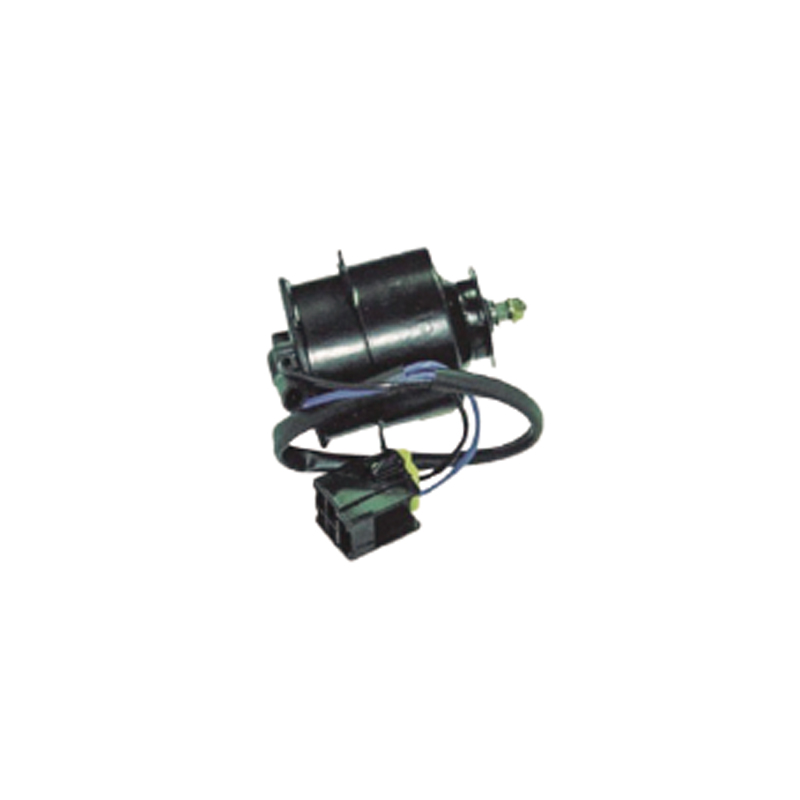
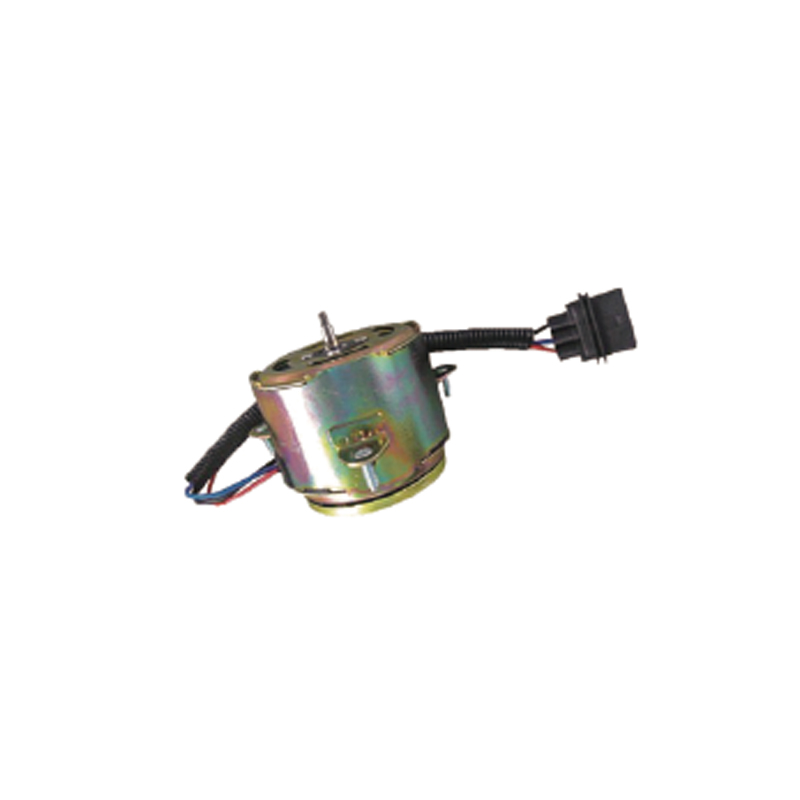
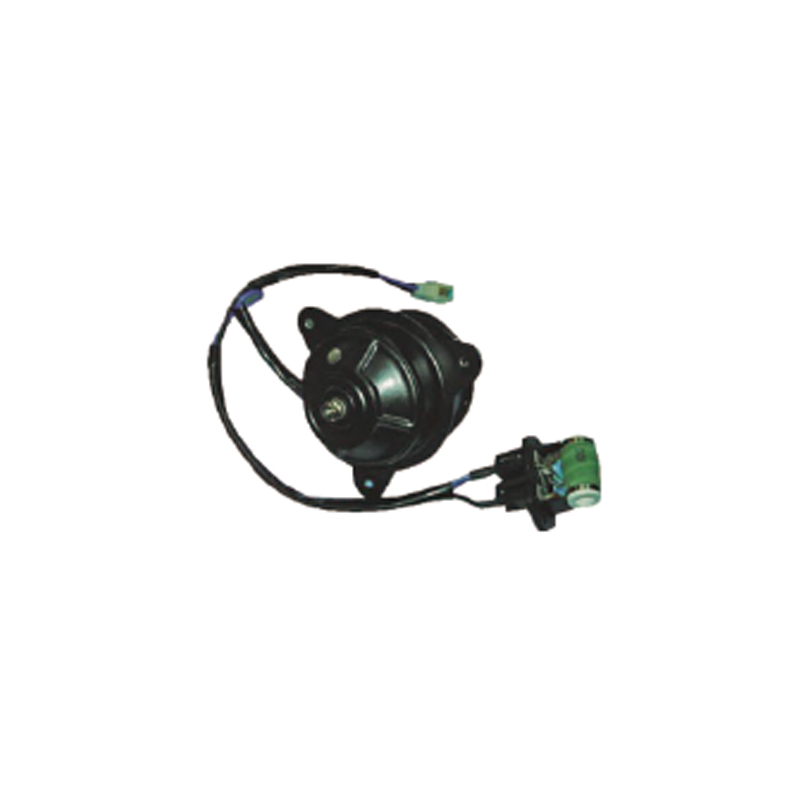
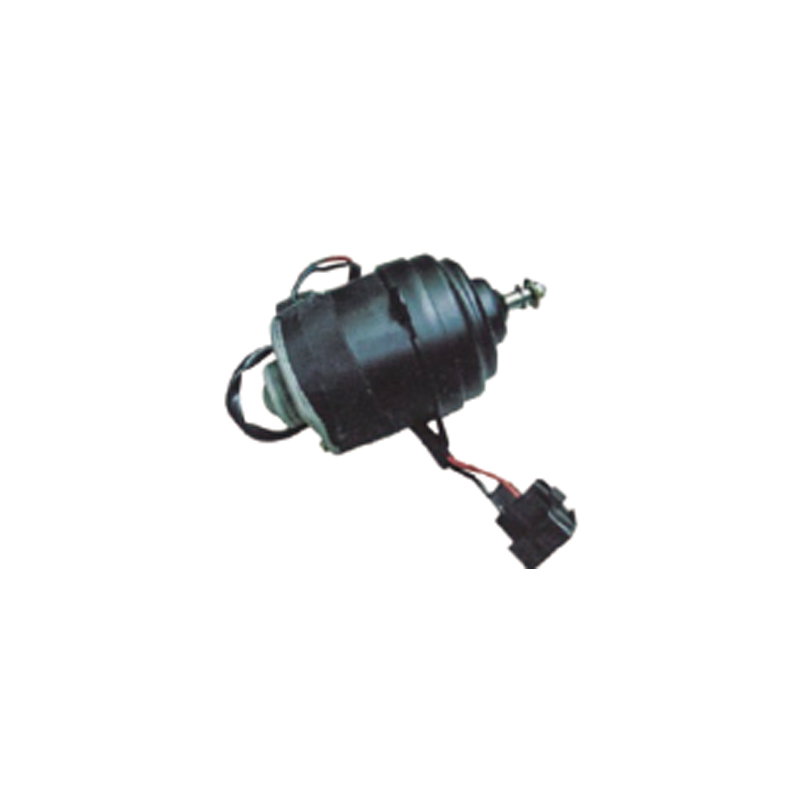
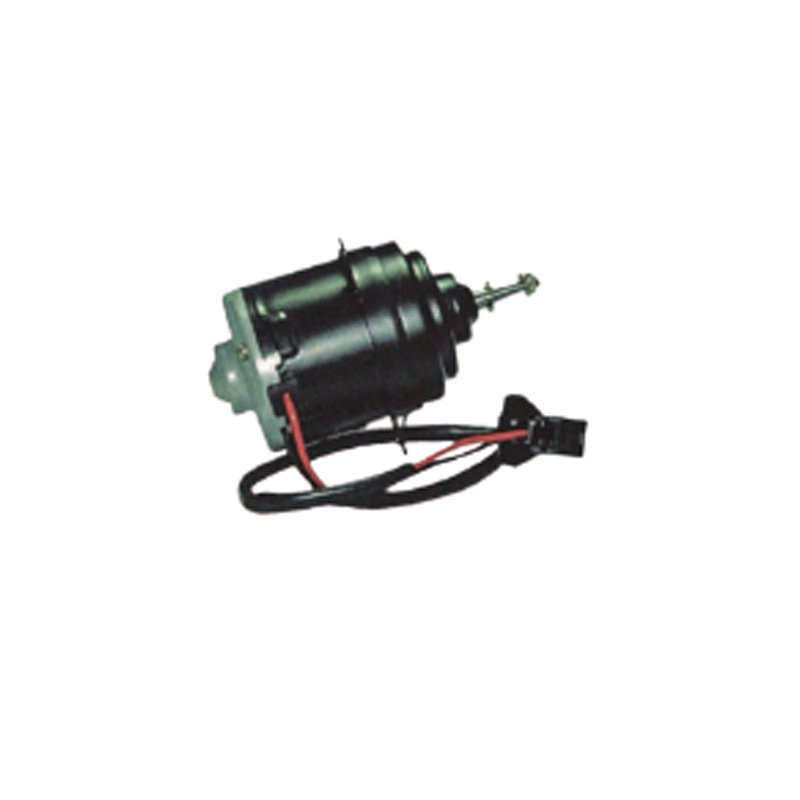
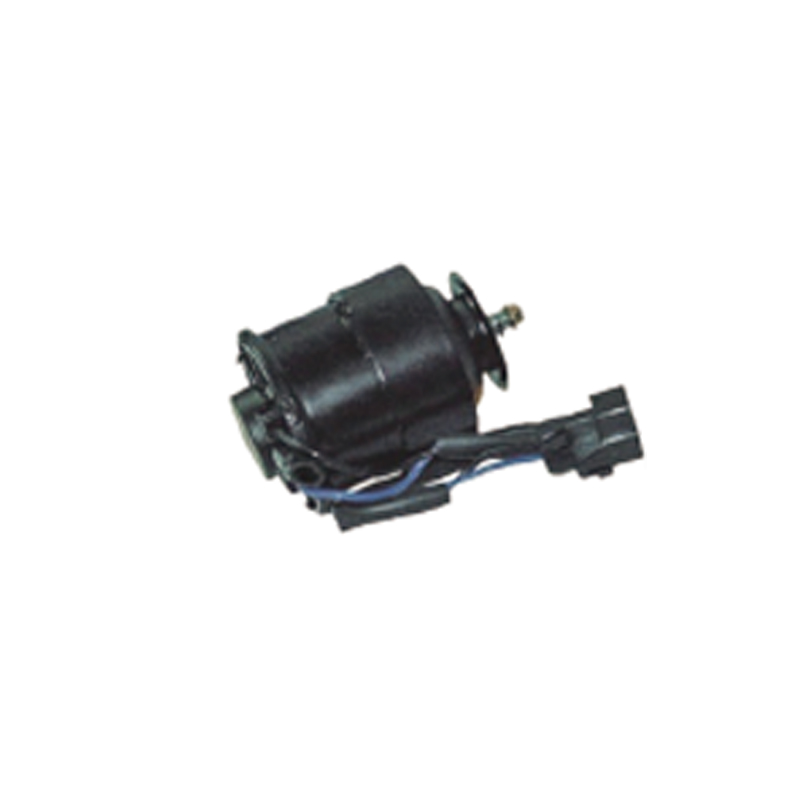
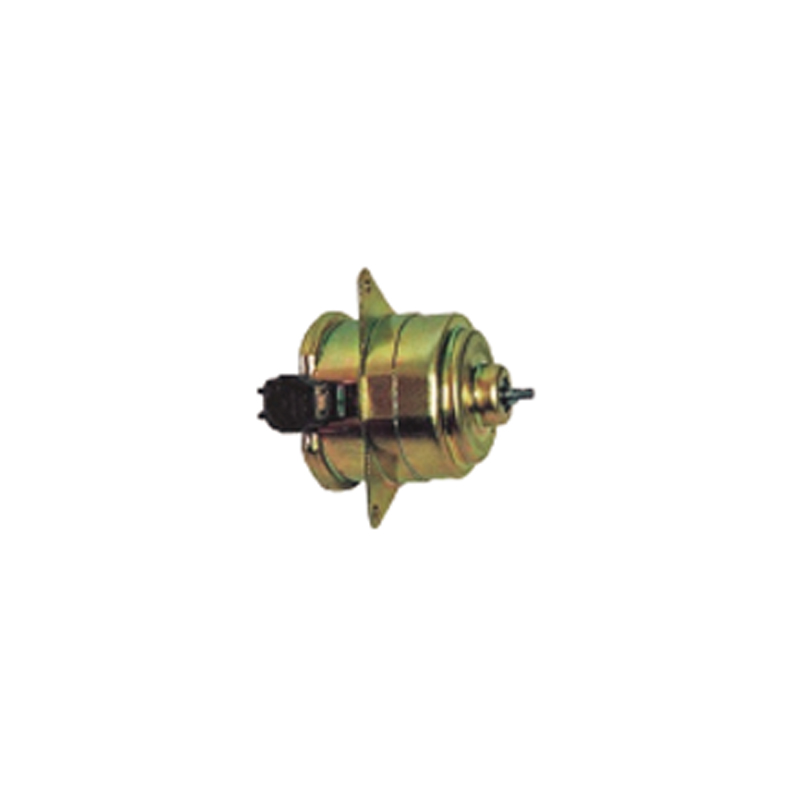
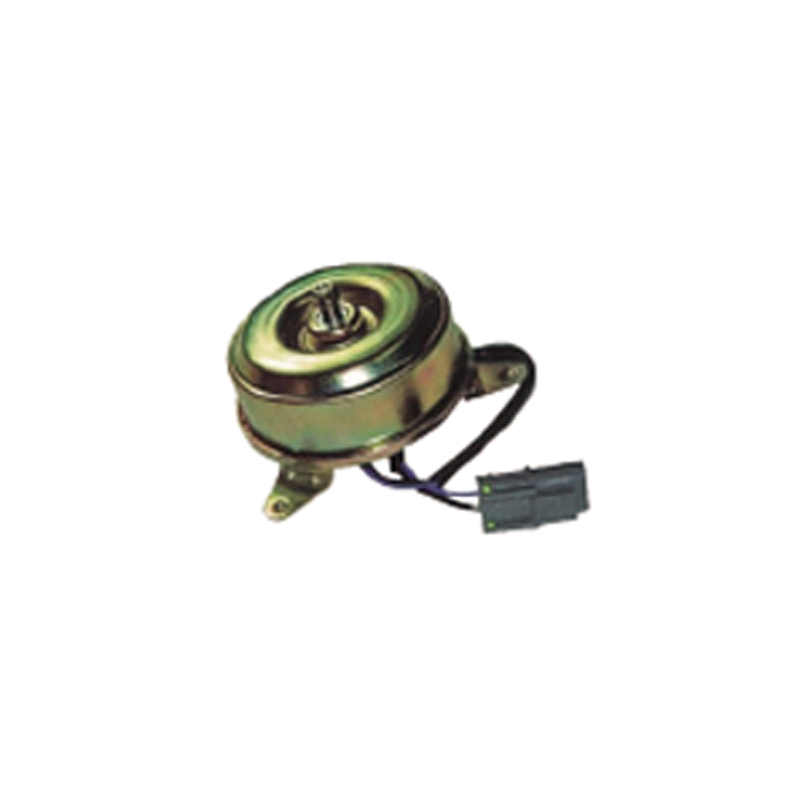
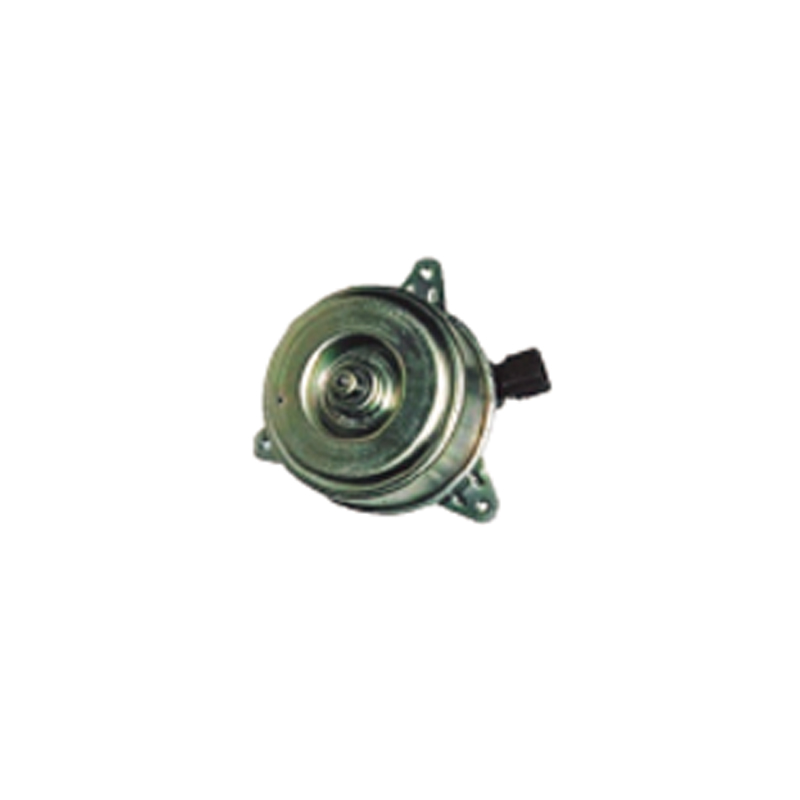
Zhejiang Nicety Electric Machinery Co., Ltd. specializes in the production of four series of products: condenser electronic fan, radiator (water tank) fan, blower, and air conditioner assembly. Professional production American, European, Japanese, Korean And Domestic brand DC automotive axial fans.
Email: [email protected] / [email protected]
Tel: +86-0578-7125439 / +86 181 0658 9231
Address:No. 98, Guangda Street, Jinsha Industrial Zone, Longquan City, Zhejiang Province, China