
 English
 Español
 عربى
عربى русский
Contact Us
Your email address will not be published. Required fields are marked *
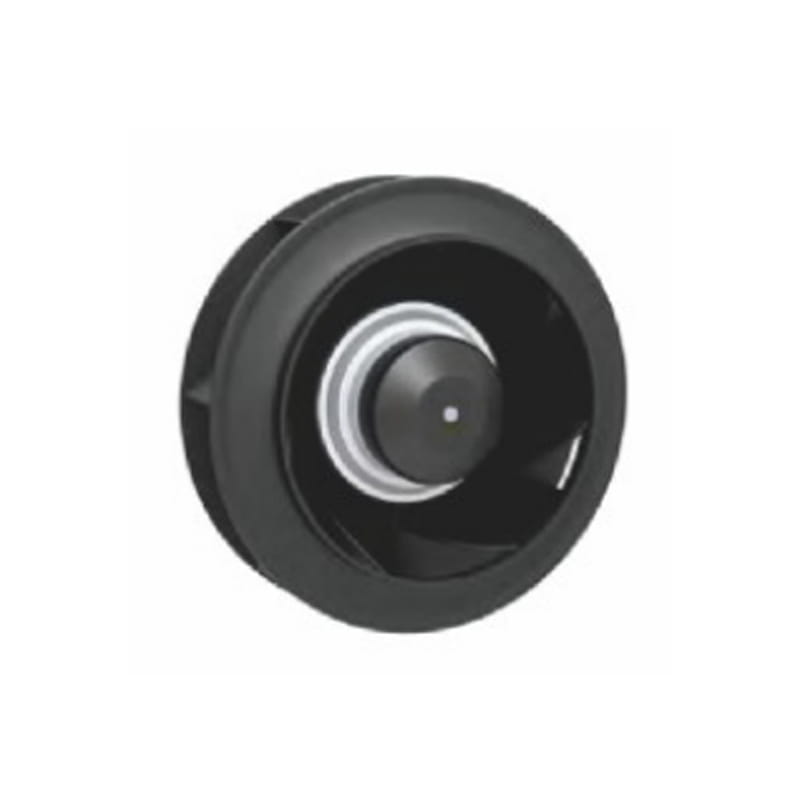
EC backward tilting centrifugal fans have emerged as one of the efficient solutions in industries requiring precise airflow and pressure control. With advancements in technology, these fans offer enhanced performance, energy efficiency, and better adaptability to diverse operational conditions.
EC backward tilting centrifugal fans combine the energy-efficient design of EC (electronically commutated) motors with the reliable functionality of centrifugal fans. These fans feature blades that are tilted backward, which helps in optimizing airflow and minimizing power consumption. The brushless EC motor offers precise control, improved efficiency, and longer operational life.
EC backward tilting centrifugal fans function based on a centrifugal force principle. The backward-tilted blades accelerate air through the fan casing, creating a high-pressure area at the center. This force drives the air outward, generating high airflow. The EC motor continuously adjusts to optimize performance, ensuring that energy consumption remains efficient even during fluctuations in airflow demand.
Motor: The brushless EC motor provides more control over speed and power, ensuring energy efficiency.
Fan Blades: Designed with a backward tilt, the blades reduce drag and optimize airflow.
Fan Housing: The housing is optimized for efficient airflow and minimal friction.
Control System: EC motors come with built-in controls that adjust fan speed based on system requirements.
EC backward tilting centrifugal fans bring multiple benefits to industries that depend on reliable airflow and pressure control:
Energy Efficiency: One of the primary advantages of EC backward tilting centrifugal fans is their energy efficiency. These fans use EC motors that significantly reduce power consumption compared to traditional AC motor-driven fans. This makes them ideal for environments where energy savings are a priority.
High Airflow and Pressure Control: The backward-tilted blades help optimize airflow while minimizing resistance, resulting in better control over air pressure. This is particularly useful in applications that demand precise airflow control, such as HVAC systems, industrial ventilation, and cleanrooms.
Quiet Operation: EC backward tilting centrifugal fans are quieter than many traditional fans due to the aerodynamic design of the blades. The backward tilt minimizes turbulence, which leads to smoother operation and less noise.
Longevity and Reliability: With brushless EC motors, these fans offer enhanced reliability and a longer lifespan. They require less maintenance and are less prone to wear and tear compared to traditional fans with brushed motors.
Compact and Lightweight: These fans are typically smaller and lighter, which can be advantageous in industries where space and weight are at a premium, such as in mobile air conditioning units or aerospace applications.
Several factors affect the performance of EC backward tilting centrifugal fans, including:
| Feature | Details |
|---|---|
| Motor Type | EC brushless motor |
| Blade Design | Backward tilting blades |
| Airflow Efficiency | High airflow with low energy consumption |
| Noise Level | Low noise due to optimized blade design |
| Material | High-quality, corrosion-resistant materials for durability |
| Speed Control | Adjustable speed control with EC motor for performance |
| Typical Applications | HVAC, industrial ventilation, cleanrooms, agricultural environments |
| Energy Consumption | Reduced compared to AC motor-driven fans |
| Lifespan | Longer lifespan due to brushless motor technology |
When selecting an EC backward tilting centrifugal fan, consider the following factors to ensure the fit for your application:
Flow Rate Requirements: Determine the required airflow (CFM) for your system. Higher flow rates require larger fans or multiple fans working in parallel.
Pressure Requirements: Identify the static pressure needs of the system. Fans designed for higher pressure can handle systems with more resistance, like ducted systems or those with air filters.
Noise Sensitivity: If noise levels are a concern, choose a fan with a lower decibel rating and optimized blade design to minimize noise.
Energy Efficiency: Look for fans that offer energy savings for the specific application. EC motors are the energy-efficient option.
System Integration: Ensure the fan is compatible with the existing system, including motor control, airflow needs, and size constraints.
1. What is the difference between EC backward tilting centrifugal fans and traditional fans?
EC backward tilting centrifugal fans use brushless EC motors for better efficiency, reliability, and precise control, while traditional fans typically use AC motors that are less energy-efficient.
2. How do backward-tilted blades enhance airflow in these fans?
The backward-tilted blades reduce drag and turbulence, optimizing airflow and minimizing energy loss, resulting in better performance and pressure control.
3. Are EC backward tilting centrifugal fans suitable for high-temperature environments?
Yes, these fans are designed to handle various environmental conditions, including high temperatures, making them suitable for a range of industrial applications.
4. Can EC backward tilting centrifugal fans be used in cleanrooms?
Absolutely. These fans are ideal for cleanrooms due to their precise airflow control, low noise levels, and energy efficiency.
5. What maintenance is required for EC backward tilting centrifugal fans?
EC backward tilting centrifugal fans require minimal maintenance compared to traditional fans, mainly periodic cleaning and inspection of the motor and fan blades for any wear or damage.
EC backward tilting centrifugal fans are a vital component in industries requiring efficient airflow and pressure control. By combining advanced EC motor technology with a backward-tilted blade design, these fans provide enhanced energy efficiency, quiet operation, and performance in various applications.
Your email address will not be published. Required fields are marked *

Zhejiang Nicety Electric Machinery Co., Ltd. specializes in the production of four series of products: condenser electronic fan, radiator (water tank) fan, blower, and air conditioner assembly. Professional production American, European, Japanese, Korean And Domestic brand DC automotive axial fans.
Email: [email protected] / [email protected]
Tel: +86-0578-7125439 / +86 181 0658 9231
Address:No. 98, Guangda Street, Jinsha Industrial Zone, Longquan City, Zhejiang Province, China