
 English
 Español
 عربى
عربى русский
Contact Us
Your email address will not be published. Required fields are marked *
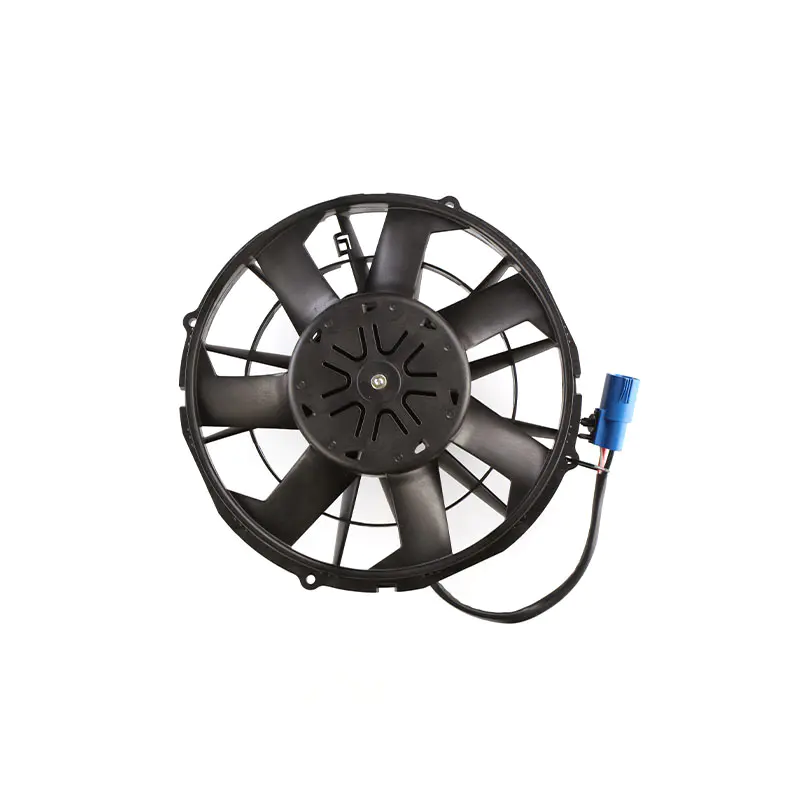
In the automotive industry, engine performance heavily depends on temperature regulation. When the engine generates power, it produces a significant amount of heat that must be effectively managed to prevent overheating and maintain smooth operations. DC automotive axial fans are key components in achieving engine cooling efficiency. These fans help maintain the right temperature levels, ensuring that engines run at their best, even under intense driving conditions.
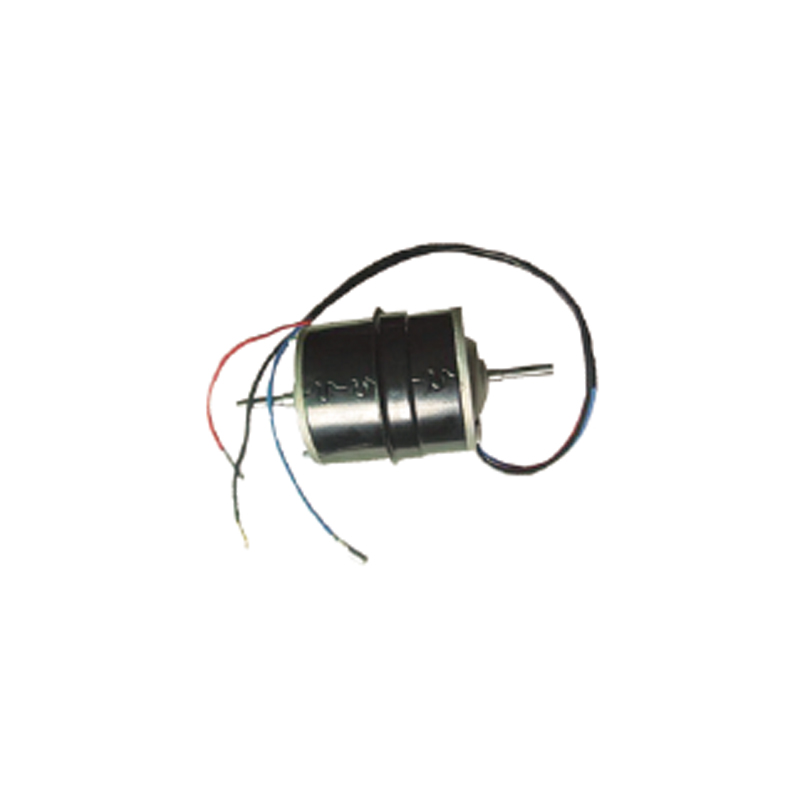
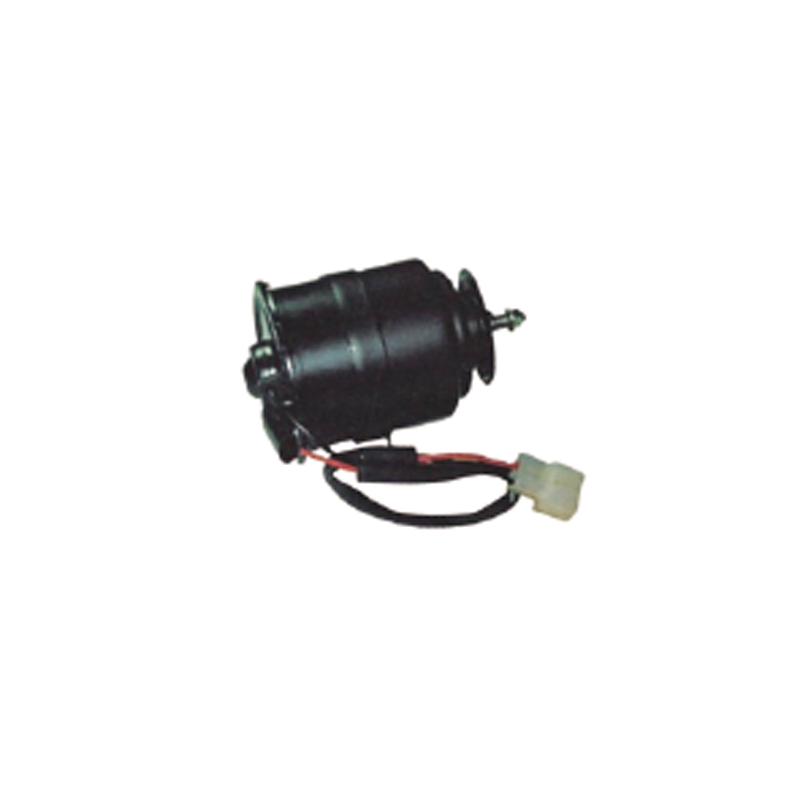
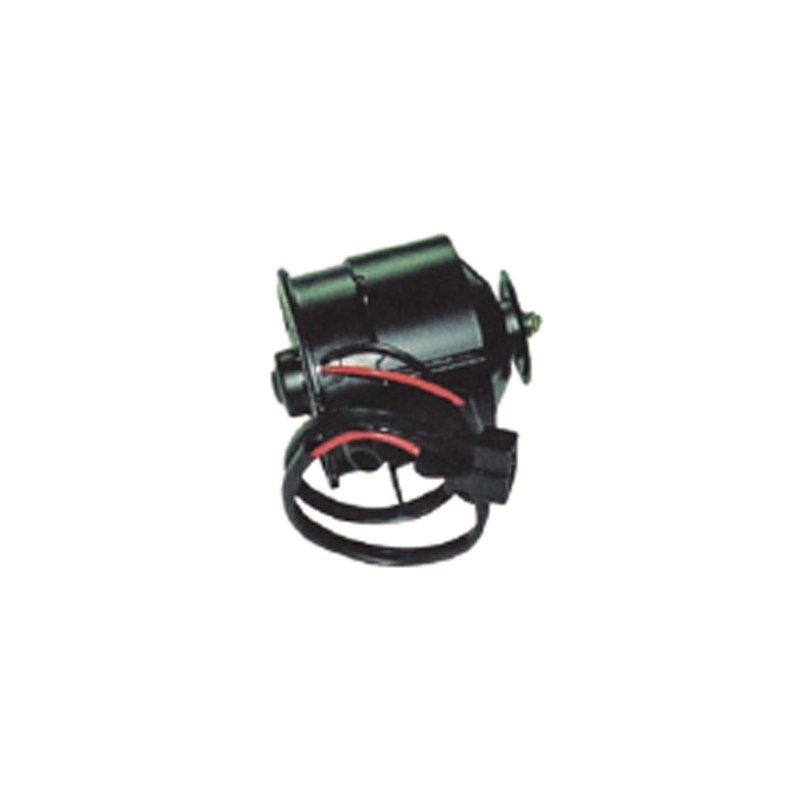
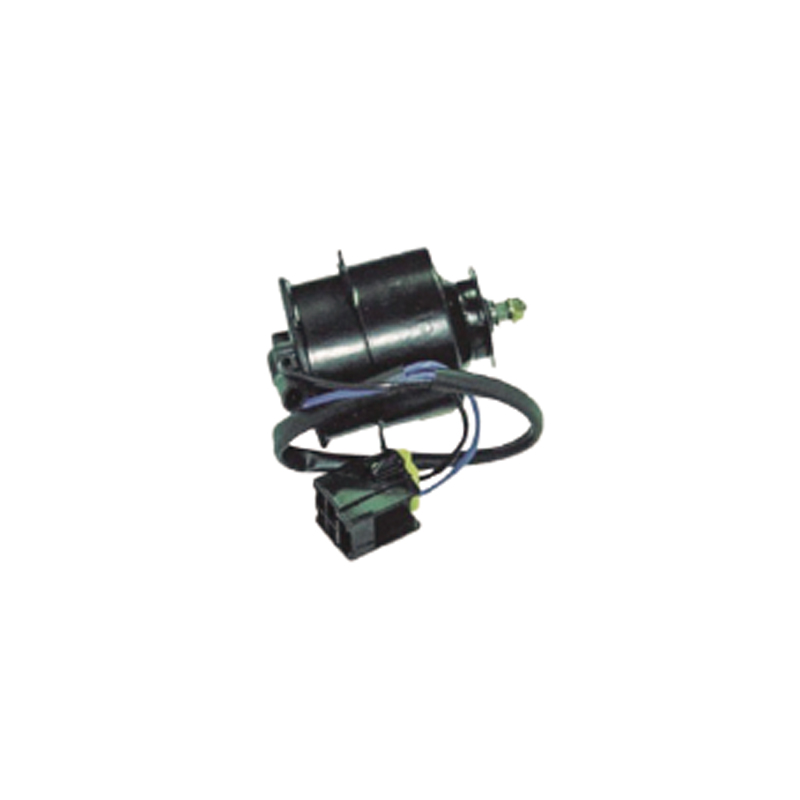
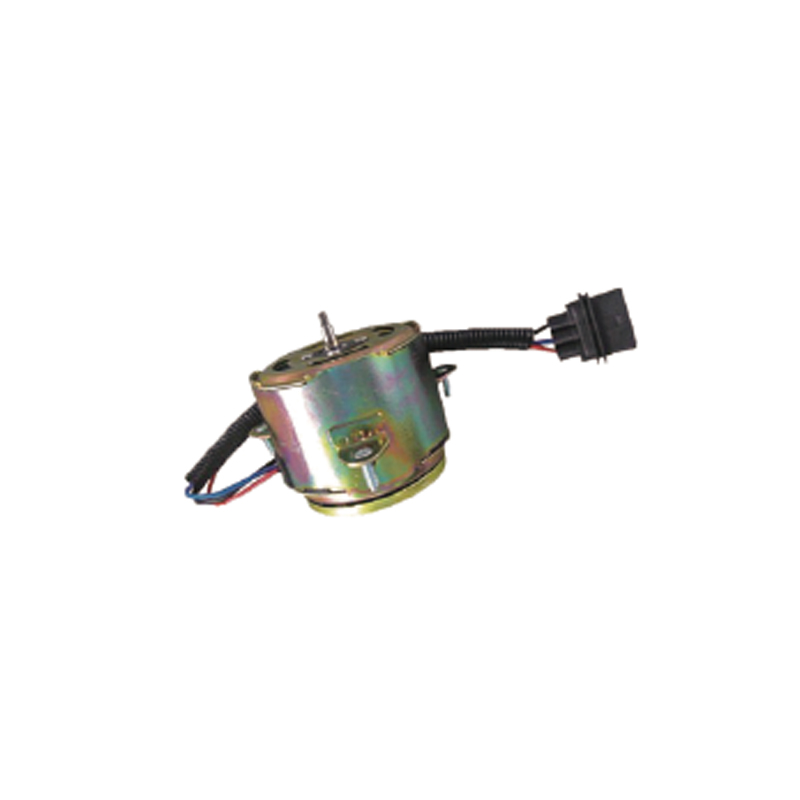
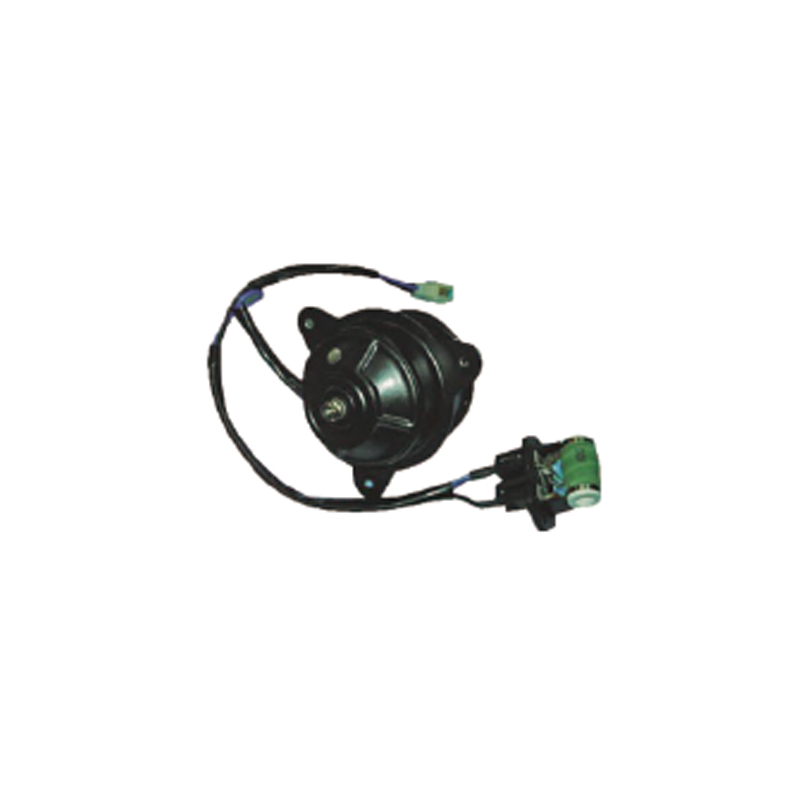
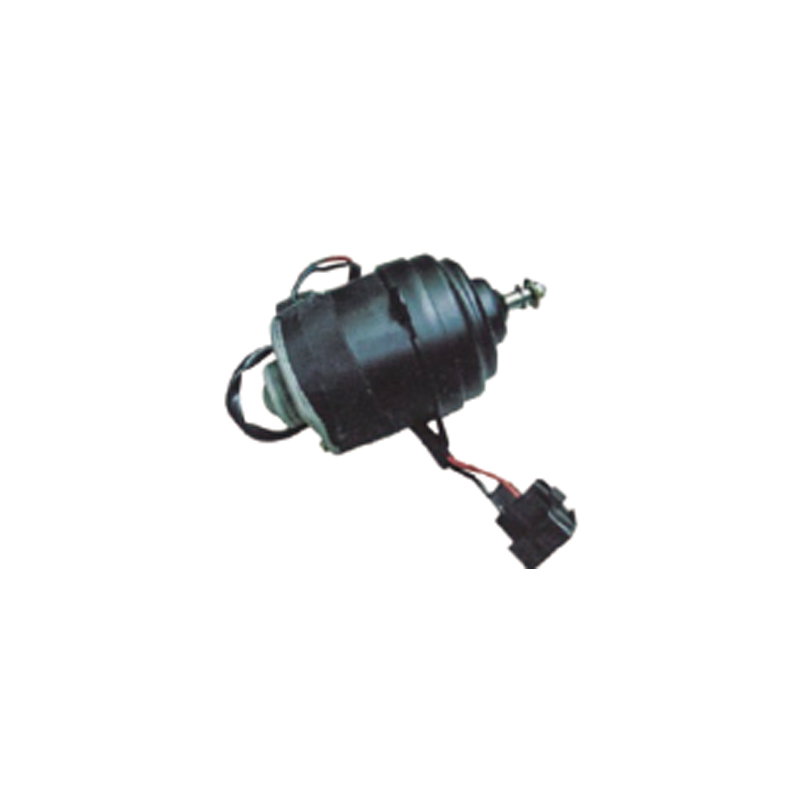
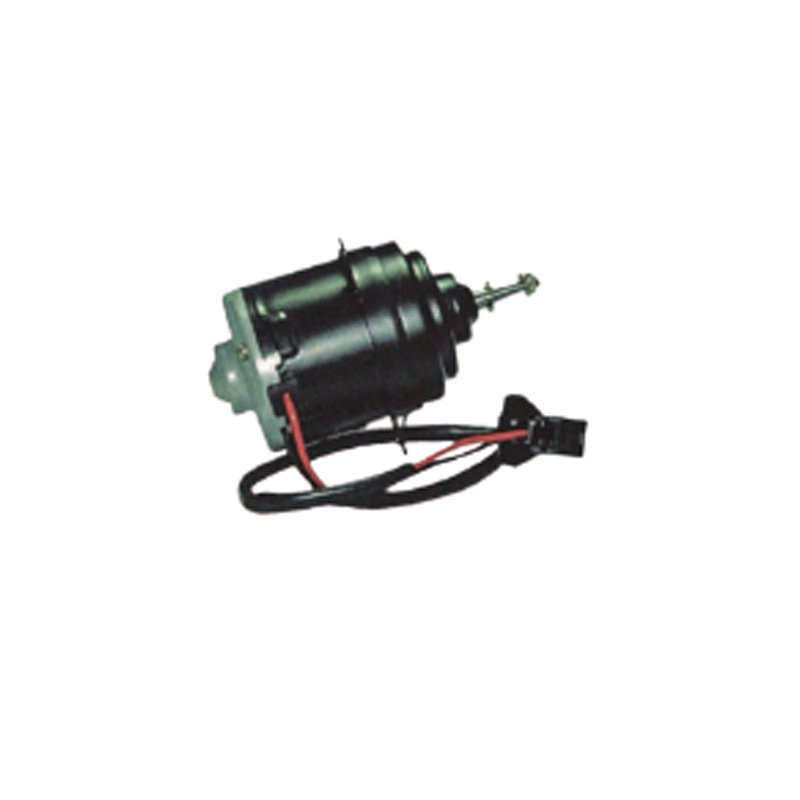
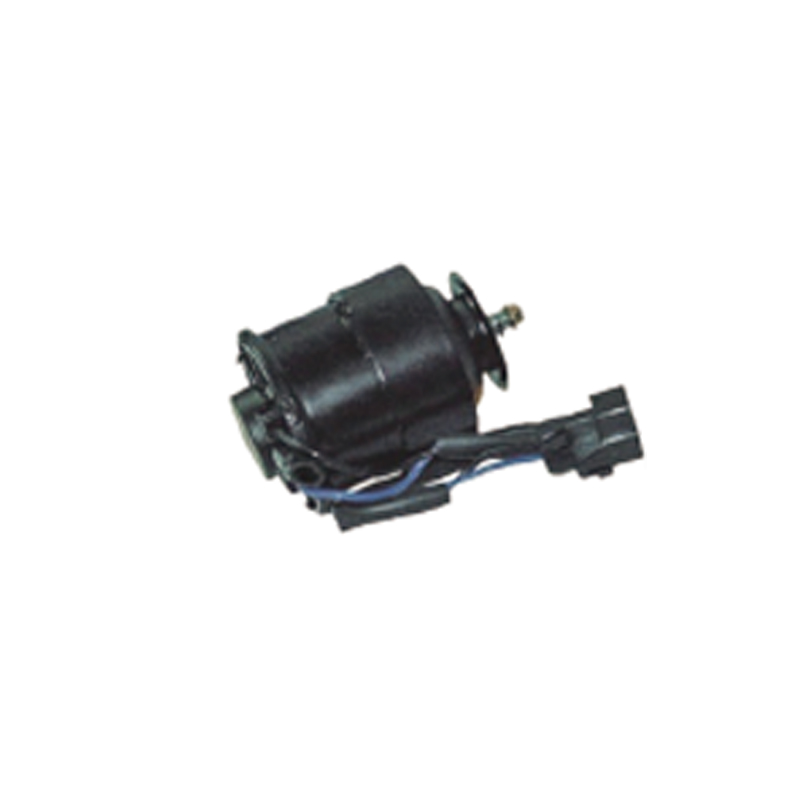
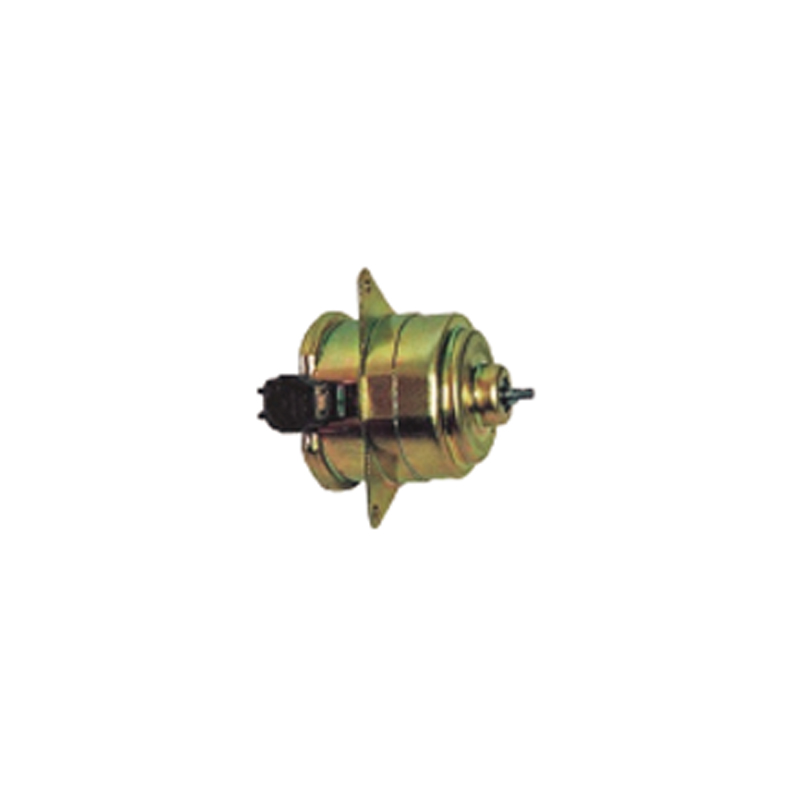
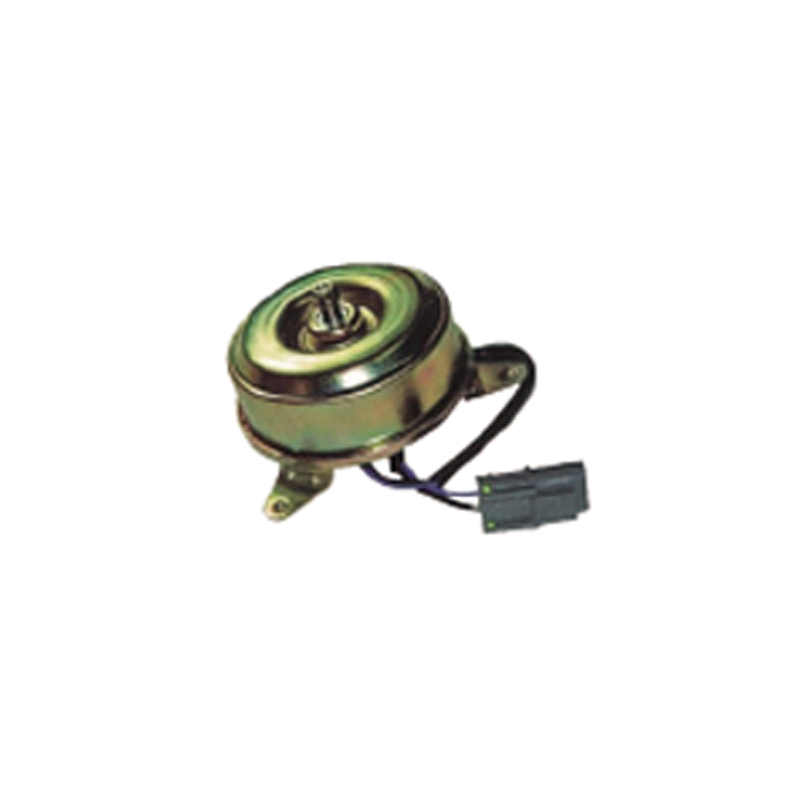
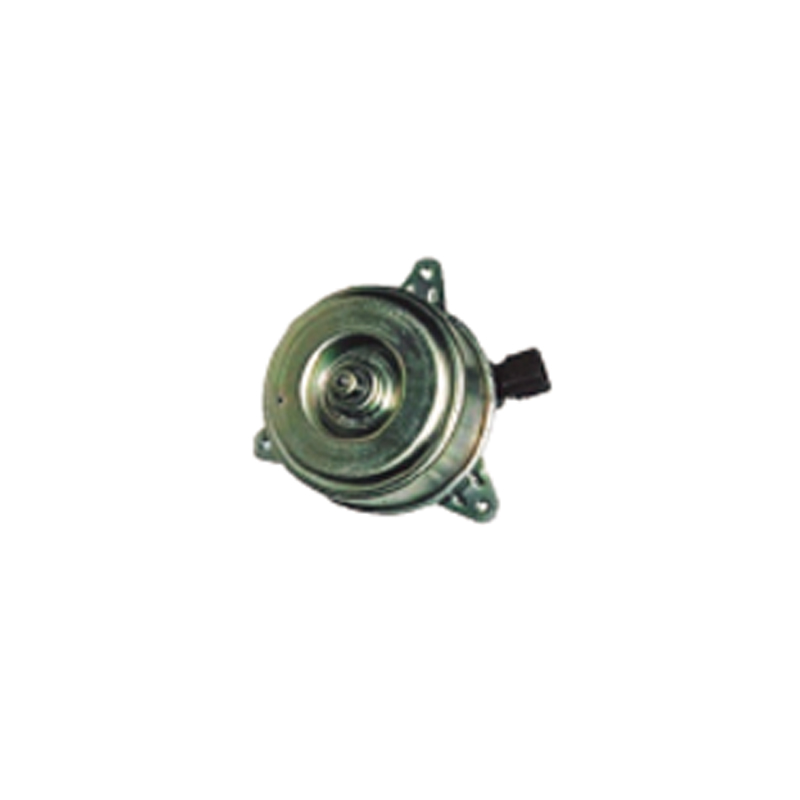
DC automotive axial fans are electric fans powered by direct current (DC) electricity, typically from the vehicle’s electrical system. These fans have blades arranged in a way that allows them to move air along the axis of the fan. The function of these fans is to pull cooler air into the engine bay or radiator area and expel hot air to help regulate the temperature of various engine components. The efficiency of these fans directly impacts the overall performance and longevity of an engine.
To understand how DC axial fans contribute to engine cooling, it’s important to know the basic components of these systems:
| Component | Description |
|---|---|
| Motor | The motor is responsible for driving the fan blades and generating airflow. DC motors are widely used due to their simple control and high efficiency. |
| Fan Blades | The blades are designed to maximize airflow. They come in various shapes and sizes depending on the cooling needs of the engine. |
| Housing | The housing is the outer casing that surrounds the fan. It helps direct the airflow in the desired direction, typically toward the radiator or engine components. |
| Control Module | The control module regulates the fan speed based on the engine’s temperature, ensuring that the fan operates optimally. |
DC automotive axial fans play a crucial role in regulating engine temperatures by facilitating better heat dissipation. These fans ensure that the engine stays cool during operation, preventing overheating, which can damage critical components.
Efficient Airflow and Heat Exchange
DC axial fans are designed to move a large volume of air at low to medium speeds. This continuous flow of air facilitates a consistent heat exchange process by carrying heat away from the radiator and engine compartment.
Unlike centrifugal fans, which are designed for higher static pressure applications, axial fans are ideal for applications that require a large volume of air to flow with relatively lower pressure.
Improved Fuel Efficiency
When an engine stays within its temperature range, it operates more efficiently, which can result in better fuel economy. A DC axial fan maintains proper engine temperatures, thus ensuring that the engine performs at peak efficiency.
By reducing the chances of overheating, these fans help optimize the performance of the engine and its components, which indirectly improves fuel economy.
Temperature Regulation and Longevity of Engine Components
Excess heat can significantly reduce the lifespan of engine components such as the radiator, engine seals, and gaskets. DC automotive axial fans help in keeping these components at a safe operating temperature.
The constant circulation of air prevents thermal degradation and helps maintain engine longevity, which reduces maintenance costs over time.
Compact and Lightweight Design
DC automotive axial fans are typically lightweight and compact, which makes them easy to integrate into modern vehicles without taking up too much space. Their small size allows them to be installed in tight engine compartments, the available space for other components.
DC axial fans come in different types, each designed to serve a specific purpose. The choice of fan type depends on the application, engine size, and cooling requirements.
DC automotive axial fans offer several advantages that make them indispensable in modern automotive engine cooling systems.
Energy Efficiency
DC motors are more energy-efficient compared to other motor types. They draw less power from the vehicle’s electrical system, reducing the overall energy demand while providing sufficient airflow for cooling.
Noise Reduction
Due to their design and motor operation, DC axial fans tend to produce less noise compared to traditional fans. This is crucial in ensuring that the fan does not disrupt the overall driving experience.
Reliability
DC automotive axial fans are designed for reliability. They are built to withstand the temperatures and vibrations of an engine compartment, ensuring they perform efficiently over long periods.
Customizability
Many DC axial fans are customizable in terms of size, motor power, and airflow capacity, making them adaptable to a wide range of vehicles and cooling requirements.
While DC axial fans offer many benefits, they are not without their challenges:
DC automotive axial fans are a crucial part of modern engine cooling systems, offering numerous benefits such as energy efficiency, enhanced engine performance, and extended component lifespan. By providing effective cooling, these fans help maintain the temperature balance within the engine, preventing overheating and contributing to better overall vehicle performance. Their compact design, low noise output, and customizable features make them an ideal solution for a variety of automotive applications.
1. What are DC automotive axial fans used for?
DC automotive axial fans are used to regulate engine temperatures by promoting airflow through the engine bay, preventing overheating.
2. How does a DC axial fan work?
A DC axial fan works by drawing air through the fan blades and expelling it to dissipate heat from engine components such as the radiator.
3. Are DC axial fans energy-efficient?
Yes, DC axial fans are highly energy-efficient as they draw less power from the vehicle’s electrical system while providing adequate airflow for cooling.
4. Can DC automotive axial fans improve fuel efficiency?
Yes, by preventing engine overheating and maintaining operating temperatures, DC axial fans help improve fuel efficiency by ensuring the engine operates at peak performance.
5. What factors affect the performance of a DC axial fan?
The fan’s performance can be influenced by factors such as its motor type, blade design, fan speed, and the engine’s cooling requirements.
Your email address will not be published. Required fields are marked *

Zhejiang Nicety Electric Machinery Co., Ltd. specializes in the production of four series of products: condenser electronic fan, radiator (water tank) fan, blower, and air conditioner assembly. Professional production American, European, Japanese, Korean And Domestic brand DC automotive axial fans.
Email: [email protected] / [email protected]
Tel: +86-0578-7125439 / +86 181 0658 9231
Address:No. 98, Guangda Street, Jinsha Industrial Zone, Longquan City, Zhejiang Province, China