
 English
 Español
 عربى
عربى русский
Contact Us
Your email address will not be published. Required fields are marked *
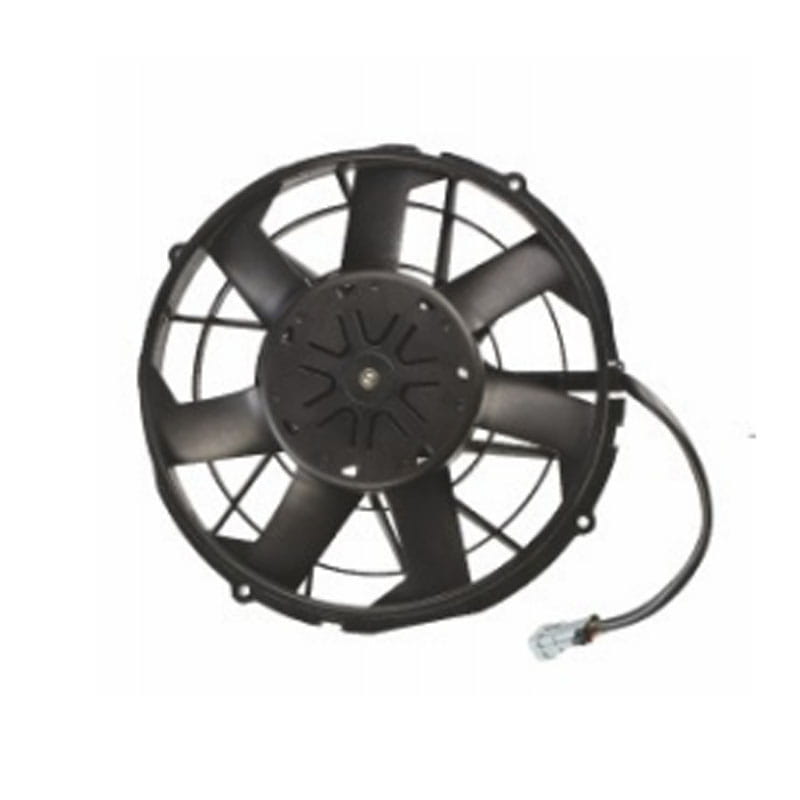
Thermal management in modern vehicles has shifted from purely mechanical solutions to electronically controlled, energy-efficient systems. Among the significant changes is the growing adoption of DC automotive axial fans in place of traditional engine-driven or simple AC axial fans.
Traditional automotive fans fall into two main categories: engine-driven (viscous or clutch fans) and single-speed AC electric fans. Both rely on alternating current from the alternator or direct mechanical linkage. In contrast, DC automotive axial fans operate on low-voltage direct current (typically 12V or 24V), using brushless DC motors and optimized axial impellers.
The table below outlines core structural and operational differences:
| Feature | Traditional Fans (Mechanical/AC) | DC Automotive Axial Fans |
|---|---|---|
| Power source | Engine belt or AC alternator | DC battery (12V/24V) |
| Motor type | Induction or brushed AC | Brushless DC (BLDC) |
| Speed control | Limited (thermo-clutch, resistor) | Variable (PWM, voltage regulation) |
| Efficiency at partial load | Low | High |
| Noise profile | Fixed, often loud | Adjustable, quieter at low speeds |
| Lifespan (typical) | 3,000–8,000 hrs | 20,000–50,000 hrs |
| Weight | Heavier (cast housings) | Lighter (composite materials) |
One of the strongest arguments for DC axial fans is their energy efficiency. Traditional fans powered by engine belts consume parasitic power regardless of cooling demand. A viscous fan at idle may draw several horsepower from the engine, directly reducing fuel economy.
DC automotive axial fans, however, draw power only as needed. Using pulse-width modulation (PWM), they adjust rotational speed precisely to coolant or condenser temperature. At low load, a DC axial fan might consume only 20-30 watts; at full demand, it can deliver the same or higher airflow as a traditional fan with 40-60% less average energy consumption.
For electric and hybrid vehicles, this efficiency is critical. Any reduction in auxiliary power draw extends driving range. DC axial fans contribute directly to that goal.
Noise remains a key differentiator. Traditional fans, especially fixed-blade mechanical units, generate constant broadband noise proportional to engine speed. Even thermo-clutch fans produce sudden engagement noise, often described as a “roar.”
Because DC automotive axial fans use brushless motors and aerodynamically optimized blades, they produce significantly lower vibration. More importantly, variable speed control allows the fan to run slowly during low thermal loads—almost inaudible inside the cabin. Only when the system demands cooling (e.g., heavy towing, desert driving, or AC high load) does the fan spin up to higher speeds, and even then, the noise is smoother and more predictable.
Brushless DC motors are inherently more reliable than brushed AC or mechanical clutch systems. Traditional fans suffer from brush wear, bearing failures, and viscous fluid degradation. Engine-driven fans also place additional strain on water pump bearings.
In contrast, DC automotive axial fans have no brushes, no external drive belts, and typically use sealed ball bearings. They are less exposed to contamination because the motor is often integrated into the fan shroud with an IP rating (e.g., IP54 or IP67 for underhood applications). Mean time between failures (MTBF) for quality DC axial fans exceeds 30,000 hours under normal operating conditions.
This reliability reduces warranty claims and unplanned service stops—critical for fleet operators and passenger car manufacturers alike.
Modern vehicles increasingly use smart thermal management systems. Traditional fans are difficult to integrate: a mechanical fan runs whenever the engine runs, and a simple AC fan may have only two speeds. No real-time feedback exists.
DC automotive axial fans are designed for electronic control units (ECUs). They typically include a tachometer output or locked-rotor signal, enabling closed-loop control. The ECU can monitor actual fan speed, detect faults, and adjust PWM duty cycle in milliseconds. Some advanced DC axial fans even include built-in temperature sensors or LIN bus interfaces for decentralized control.
Underhood space is a premium. Traditional fans often require bulky shrouds and large clearances for belt-driven clutches. The engine fan’s location is dictated by the water pump hub, limiting design freedom.
DC automotive axial fans are more flexible. They can be placed anywhere with a 12V supply and a control signal. Their thinner profile (typically 30-40% slimmer than comparable mechanical fans) allows integration into tight engine bays or behind grilles. Weight savings are also substantial: a typical DC axial fan assembly weighs 1.5–2.5 kg, while a mechanical fan with clutch and shroud can exceed 5 kg.
Different vehicle segments benefit uniquely from DC axial fans:
| Vehicle Type | Traditional Fan Limitation | DC Automotive Axial Fan Advantage |
|---|---|---|
| Passenger cars | Parasitic loss, noise | Fuel saving, quieter cabin |
| Heavy trucks | Constant high drag | On-demand cooling, lower operating cost |
| EVs / hybrids | No engine belt possible | Primary active cooling component |
| Off-road vehicles | Vulnerable clutch | Sealed motor, robust against dust/mud |
| Performance cars | Limited speed control | Precision cooling for high-output engines |
Traditional fans generally have a lower initial purchase cost, especially simple AC fans. However, total cost of ownership (TCO) tells a different story. DC automotive axial fans cost more upfront due to the BLDC motor and controller electronics but offer:
For high-mileage applications, the payback period is under 12-18 months. Manufacturers increasingly accept the higher BOM cost for better CAFE (Corporate Average Fuel Economy) scores and customer satisfaction.
Global regulations on CO₂ emissions and noise pollution favor DC axial fans. Improved fuel economy directly reduces tailpipe CO₂. Lower pass-by noise helps vehicles meet stricter European and North American noise standards.
Furthermore, DC automotive axial fans contain no hazardous viscous fluids (silicone-based clutch fluid) and are easier to recycle because they use fewer material types. Brushless motors also eliminate copper brushes and graphite dust.
Yes, in applications, retrofitting is possible. You need to ensure proper airflow rating (CFM or m³/h), mounting provisions, and an electrical control signal (PWM or simple relay). A thermostat switch or ECU output is recommended for automatic control.
Absolutely. Many automotive setups use a single DC axial fan or a dual-fan assembly to cool both the radiator and AC condenser in series. The same fan design works efficiently with both dense fin arrays.
Most are designed to meet IP54 (splash resistant) or higher. For underbody or exposed applications, look for IP67-rated units. However, direct high-pressure washing is still discouraged without protective covers.
Simple controllers using a thermistor (temperature-variable resistor) or a manual potentiometer can regulate voltage to the fan. However, PWM control is far more efficient and does not overheat the motor winding.
No. They cycle based on battery, inverter, and motor temperatures. During light driving in cool weather, an EV’s DC automotive axial fans may not run at all, preserving range.
Very little. Periodically inspect blades for debris and damage, and listen for unusual bearing noise. Unlike traditional fans, no belt tensioning, fluid replacement, or brush inspection is needed.
Across nearly every metric—energy efficiency, noise, reliability, integration, weight, and total cost—DC automotive axial fans outperform or match traditional fans. The only remaining stronghold for traditional fans is in very low-cost, low-mileage vehicles where upfront price outweighs long-term benefits. For the vast majority of passenger cars, commercial trucks, and all electric vehicles, DC automotive axial fans are not just an alternative but the logical standard.
Your email address will not be published. Required fields are marked *

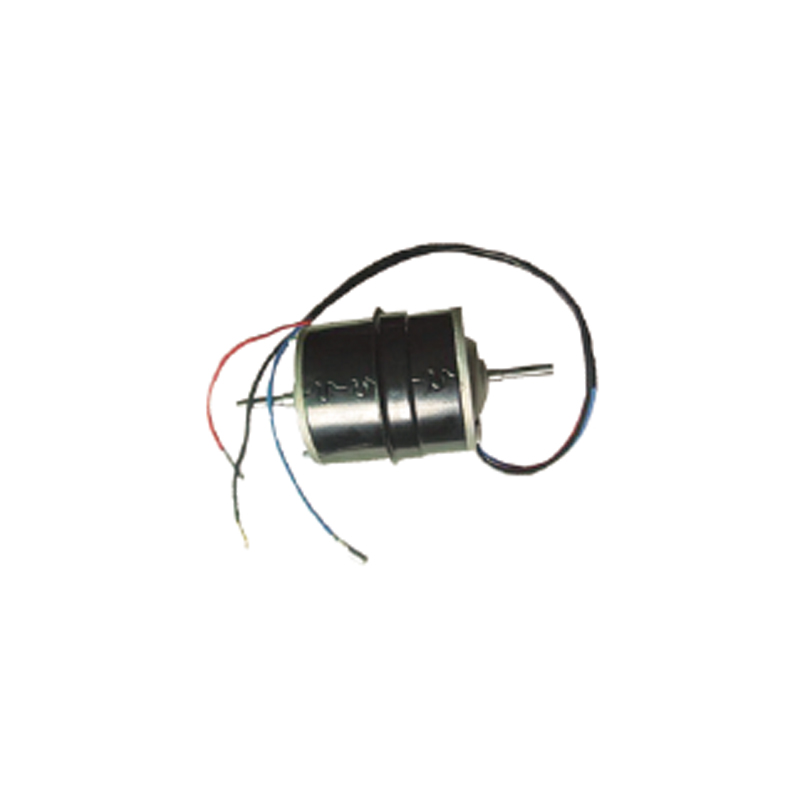
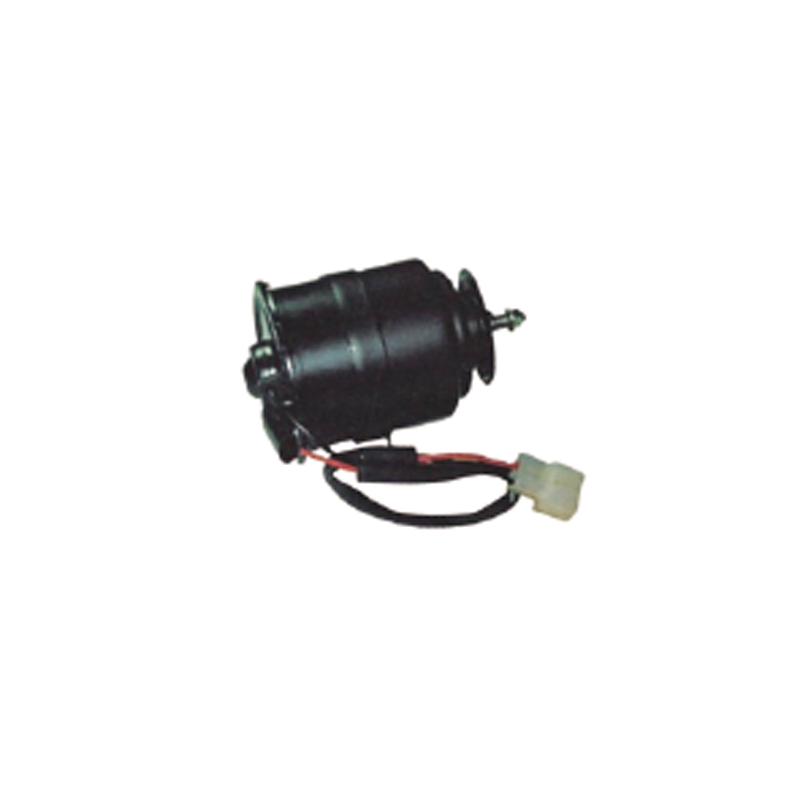
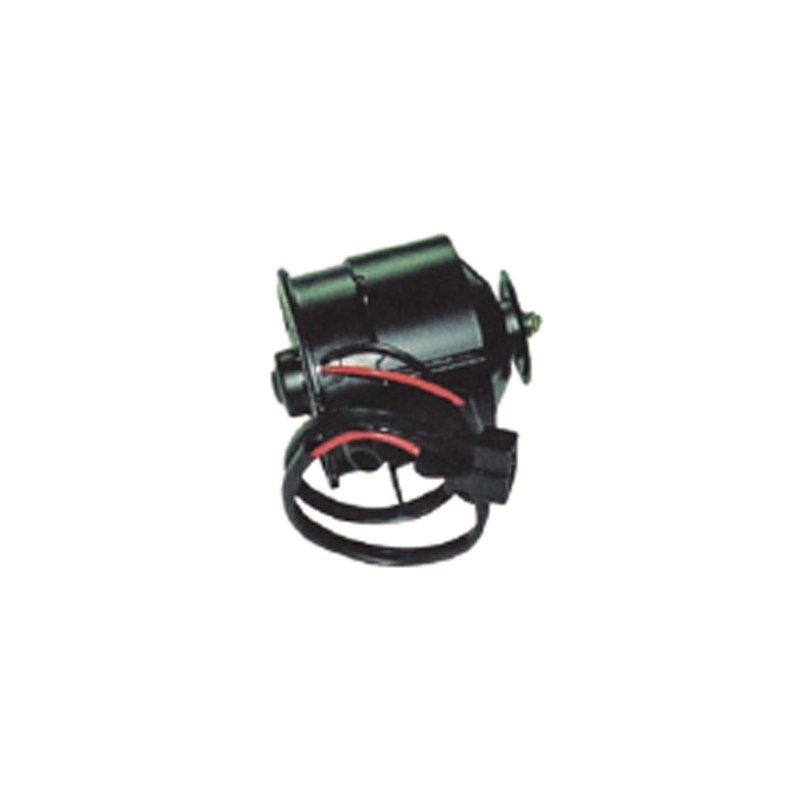
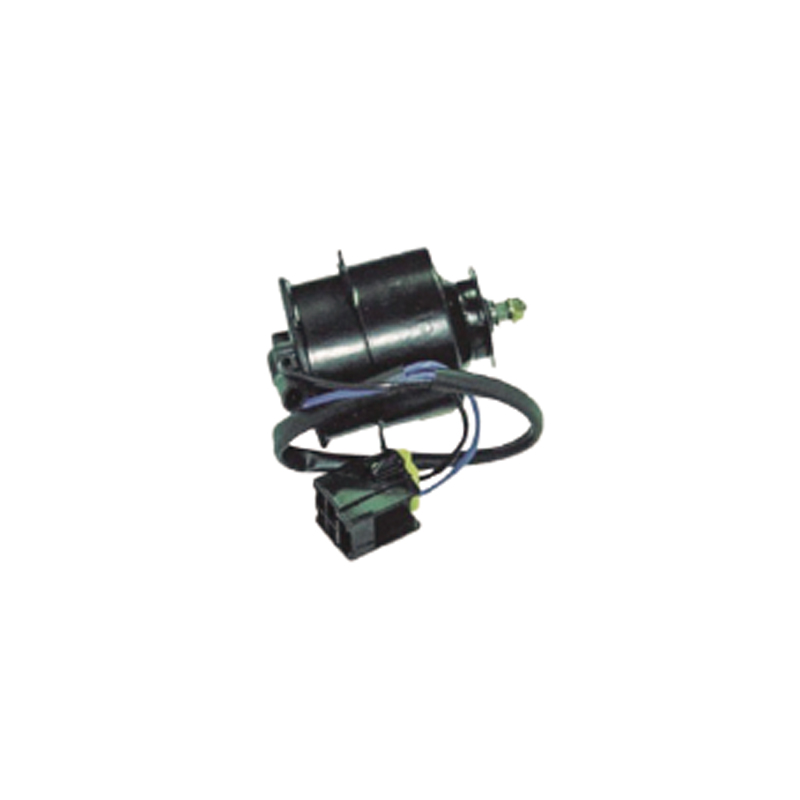
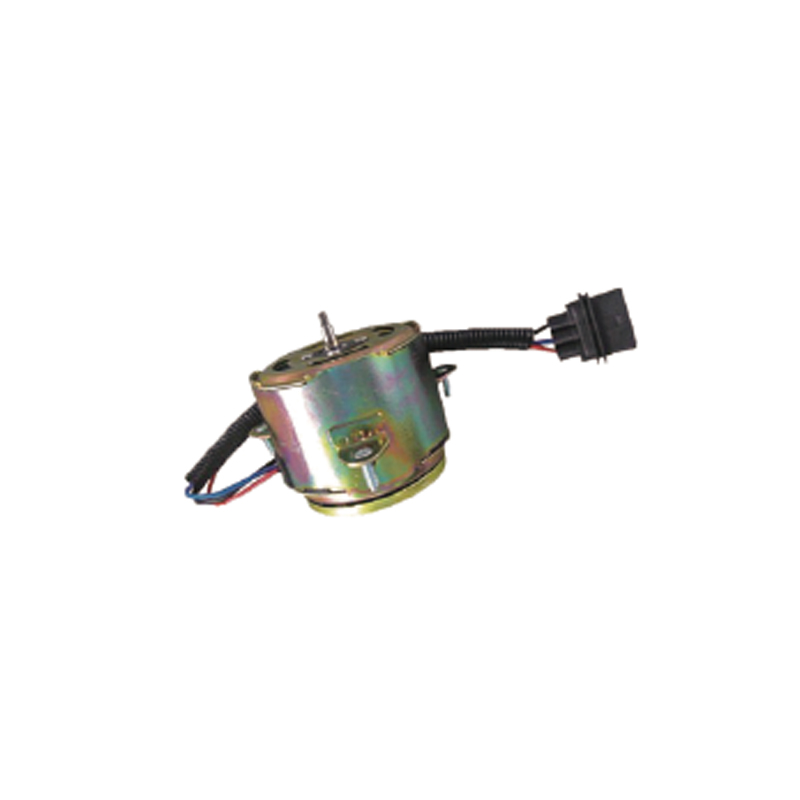
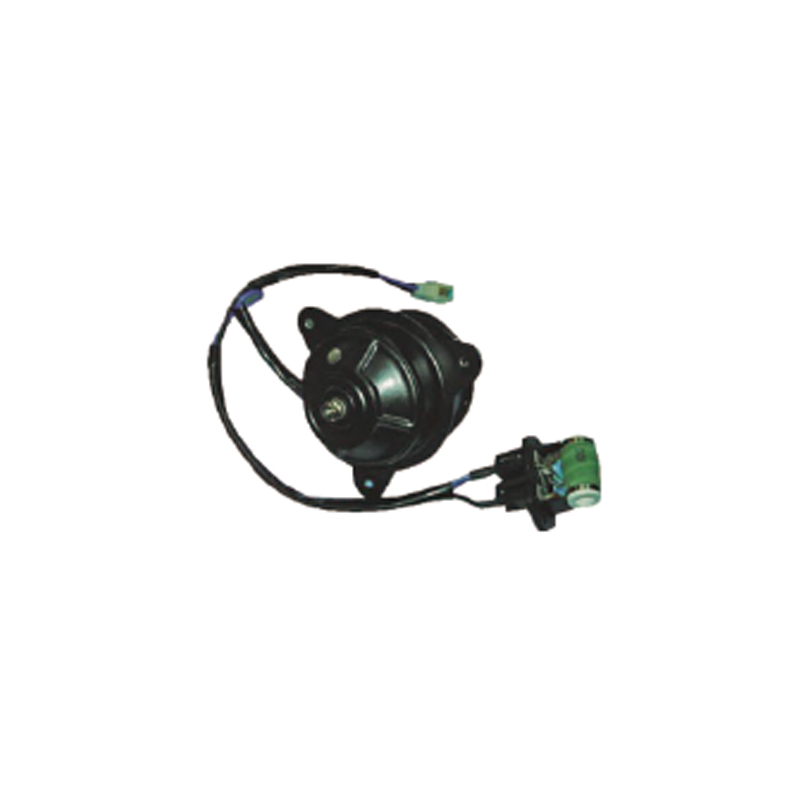
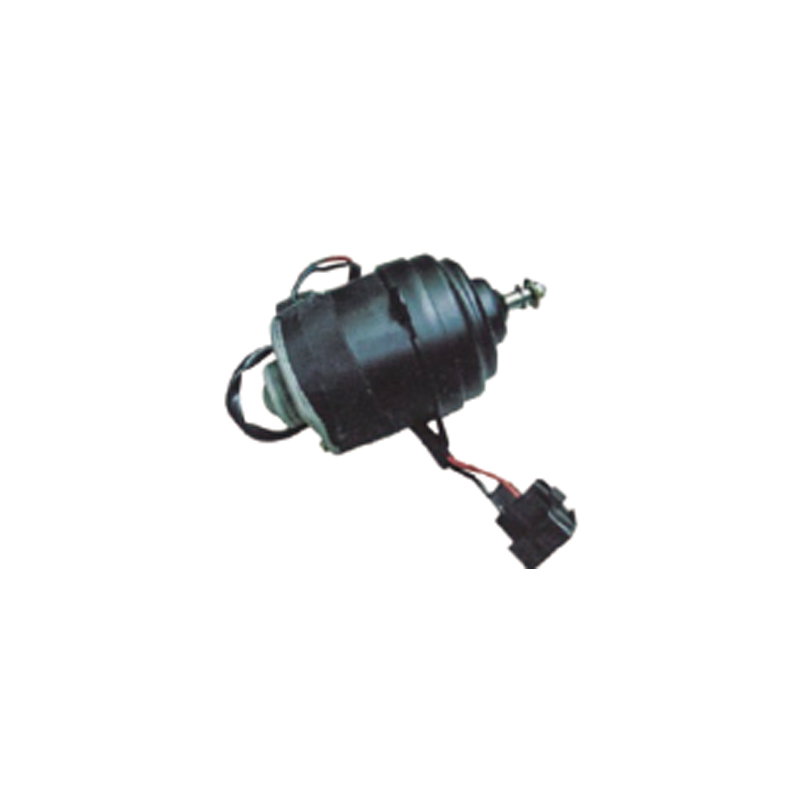
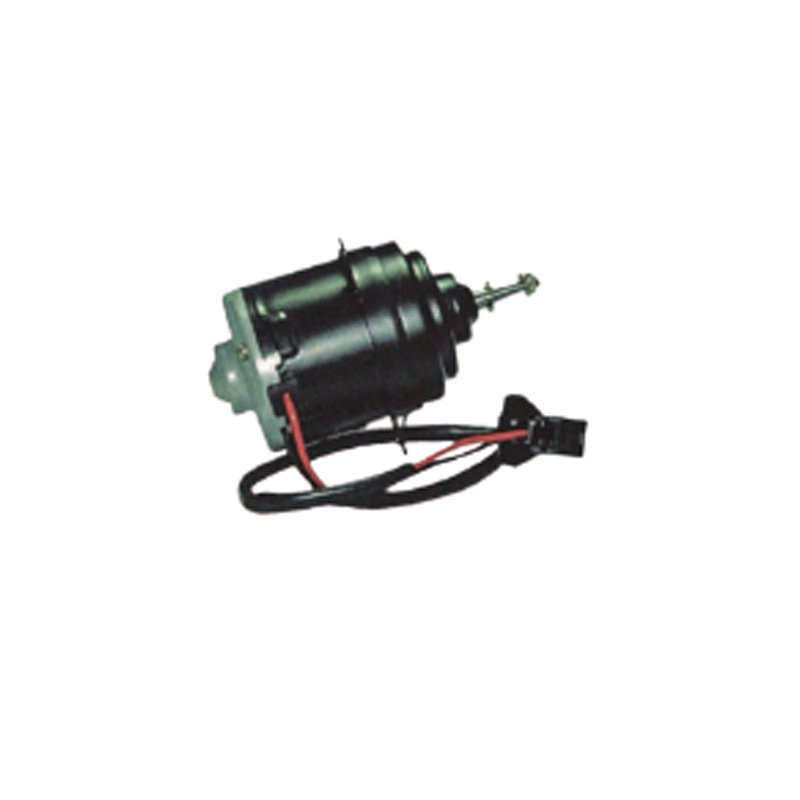
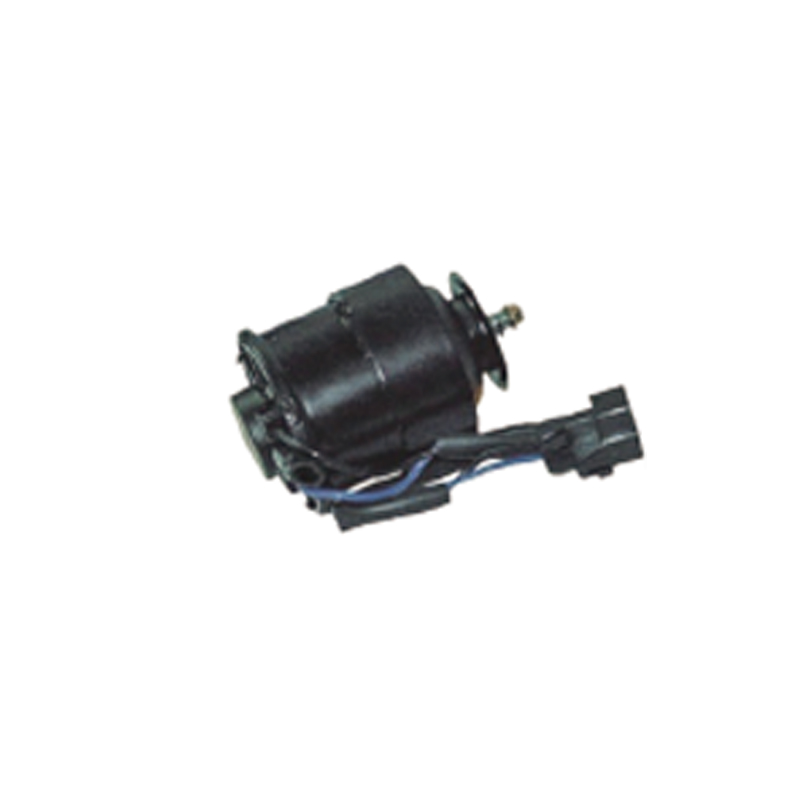
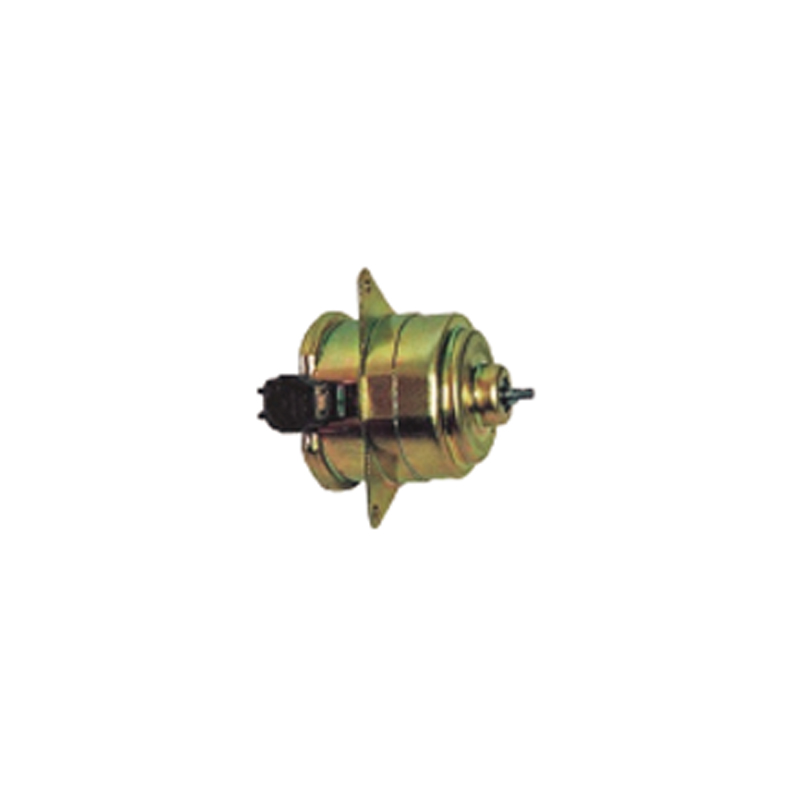
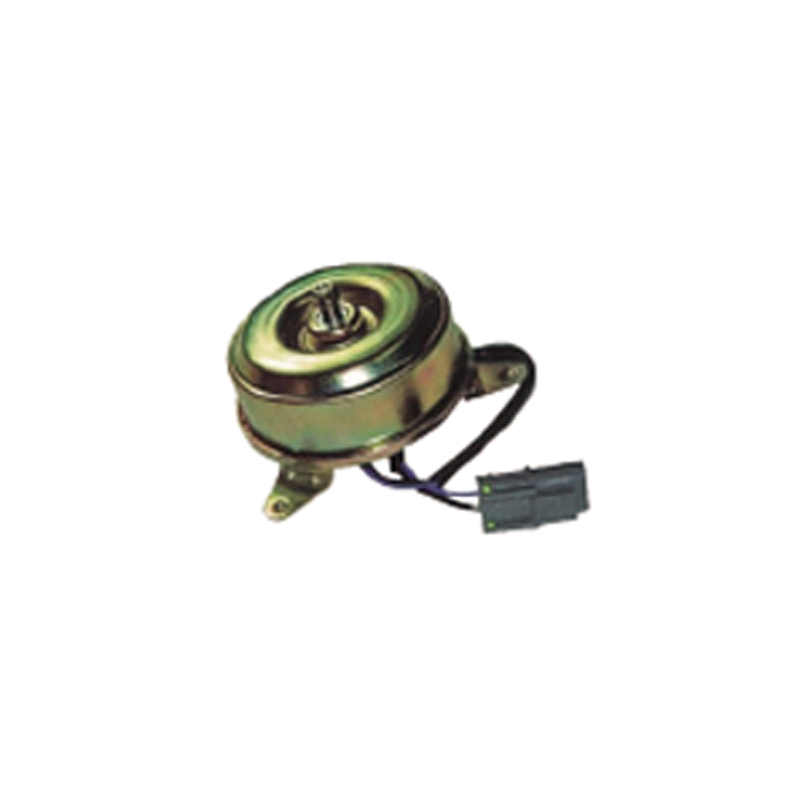
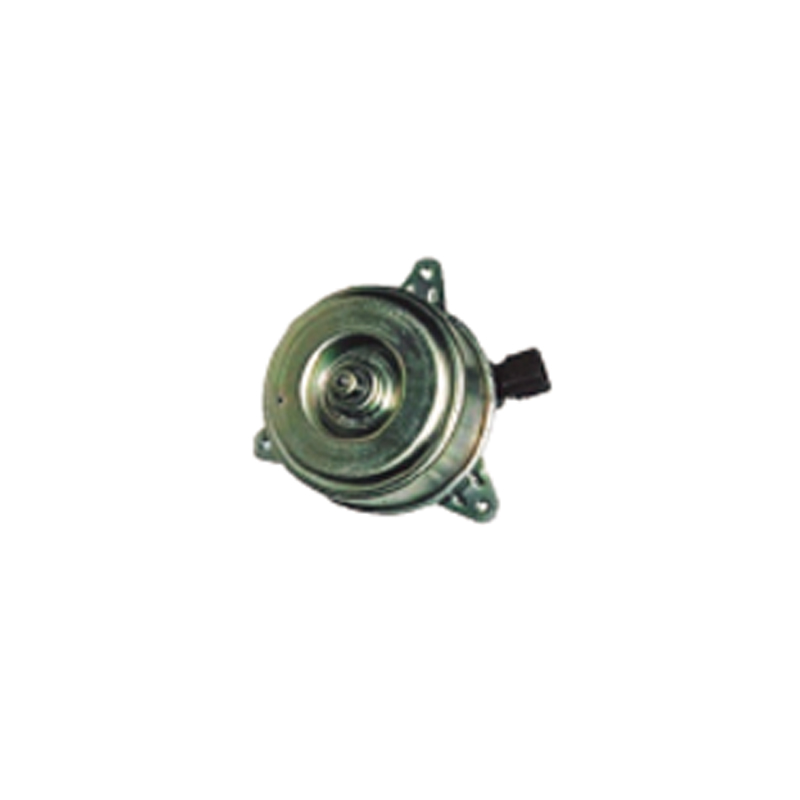
Zhejiang Nicety Electric Machinery Co., Ltd. specializes in the production of four series of products: condenser electronic fan, radiator (water tank) fan, blower, and air conditioner assembly. Professional production American, European, Japanese, Korean And Domestic brand DC automotive axial fans.
Email: [email protected] / [email protected]
Tel: +86-0578-7125439 / +86 181 0658 9231
Address:No. 98, Guangda Street, Jinsha Industrial Zone, Longquan City, Zhejiang Province, China