
 English
 Español
 عربى
عربى русский
Contact Us
Your email address will not be published. Required fields are marked *
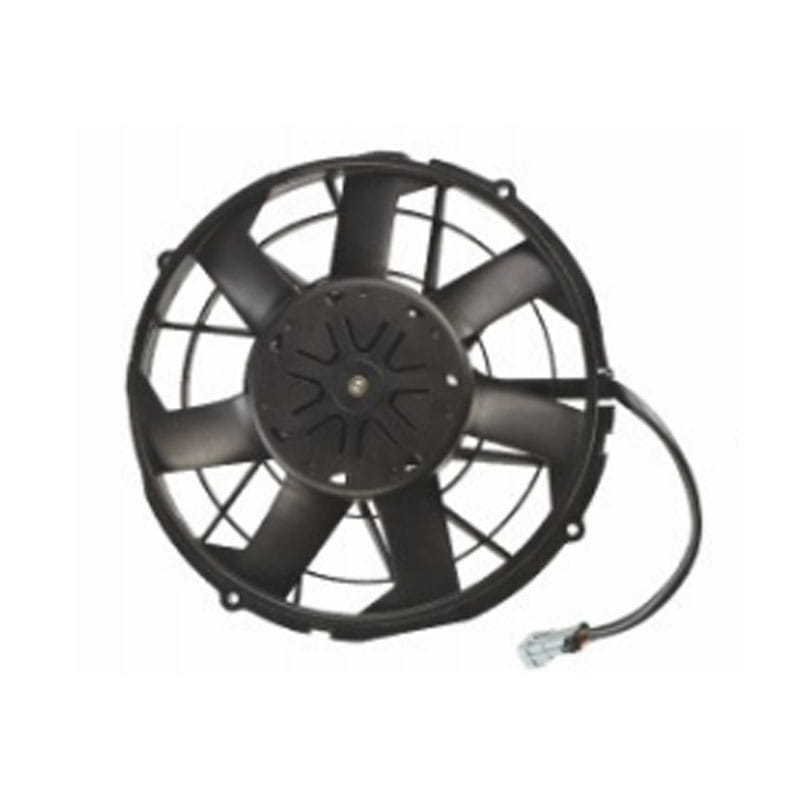
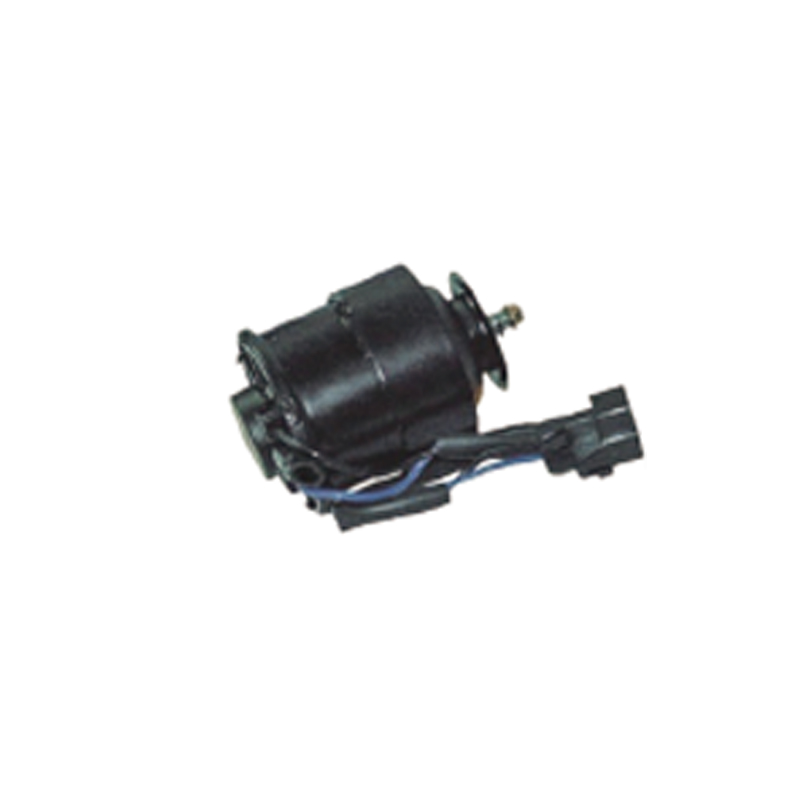
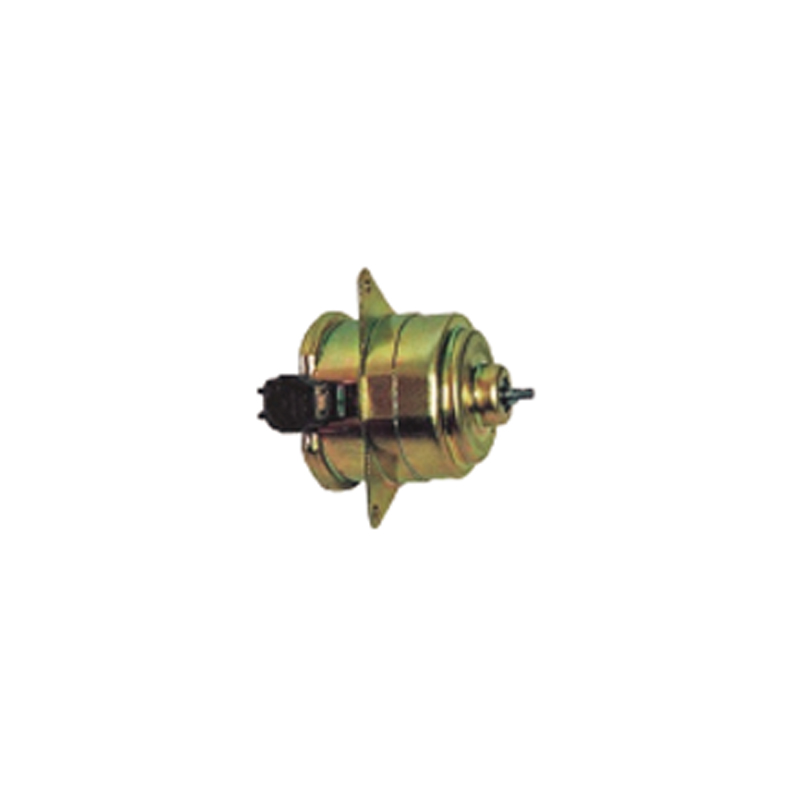
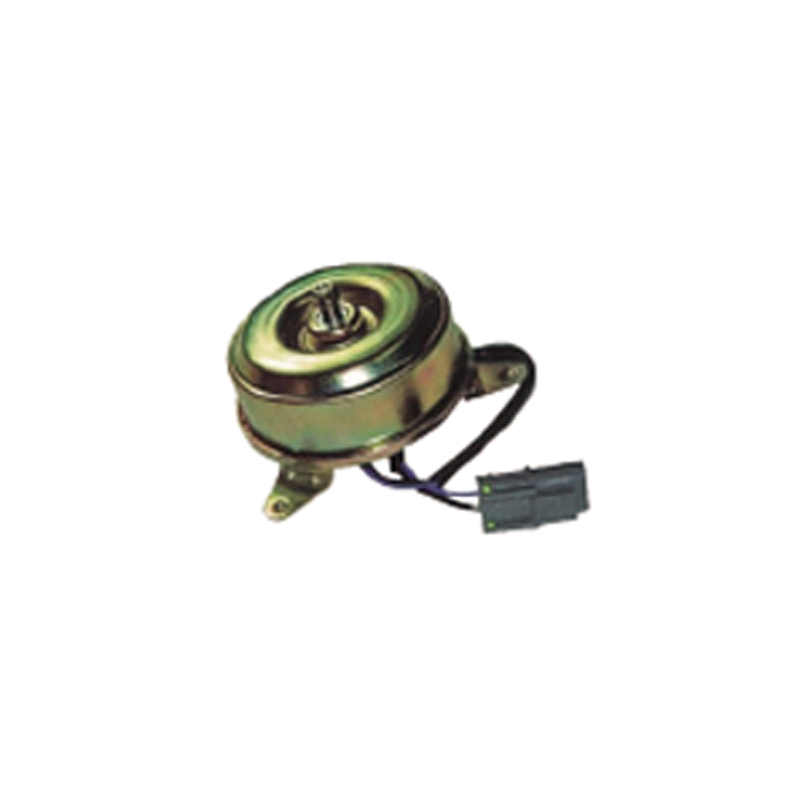
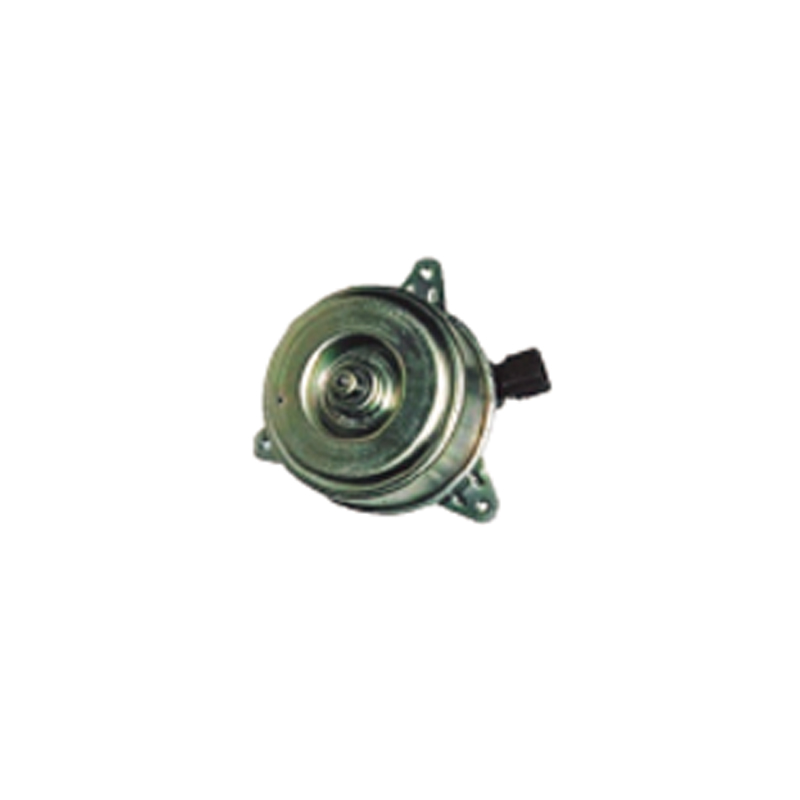
When it comes to maintaining the efficient operation of tanks, cooling systems are crucial. Tank radiator fans play a pivotal role in ensuring that the engine or other cooling systems operate within the correct temperature range. Among these, the tank radiator brushless axial fan stands out due to its design, efficiency, and reliability.
A tank radiator fan is a mechanical component installed at the rear of a radiator to assist with heat dissipation. Its main purpose is to provide forced airflow that helps in cooling the radiator by drawing in ambient air and expelling heated air. This ensures that the coolant inside the radiator remains at a temperature for the efficient functioning of the engine or other machinery.
The tank radiator fan works in conjunction with the radiator to enhance the cooling effect, particularly in environments where high engine temperatures could otherwise hinder the performance of the tank’s mechanical systems.
There are several types of radiator fans used in tank applications, including:
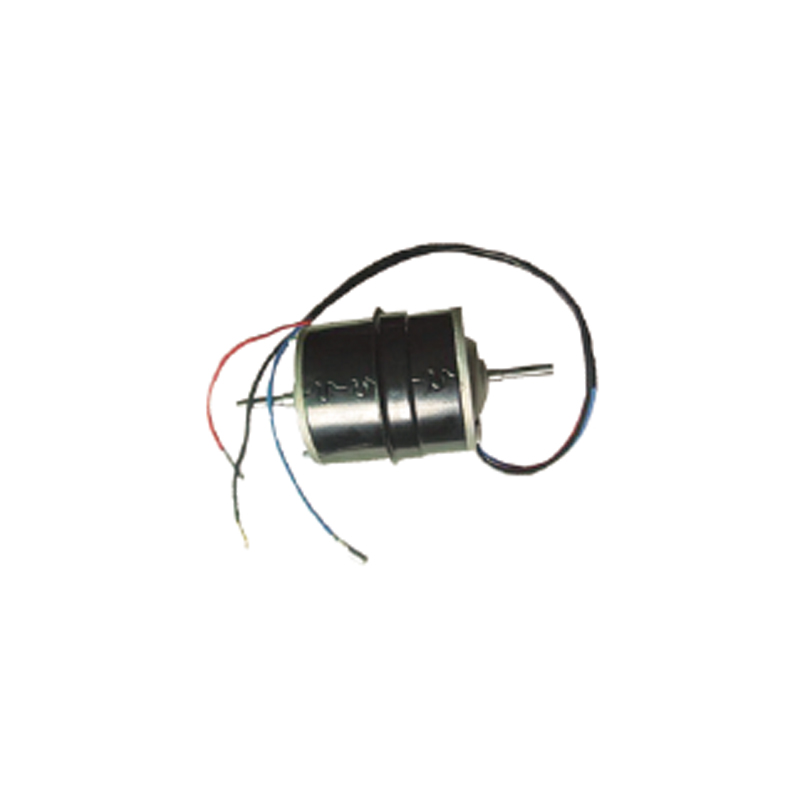
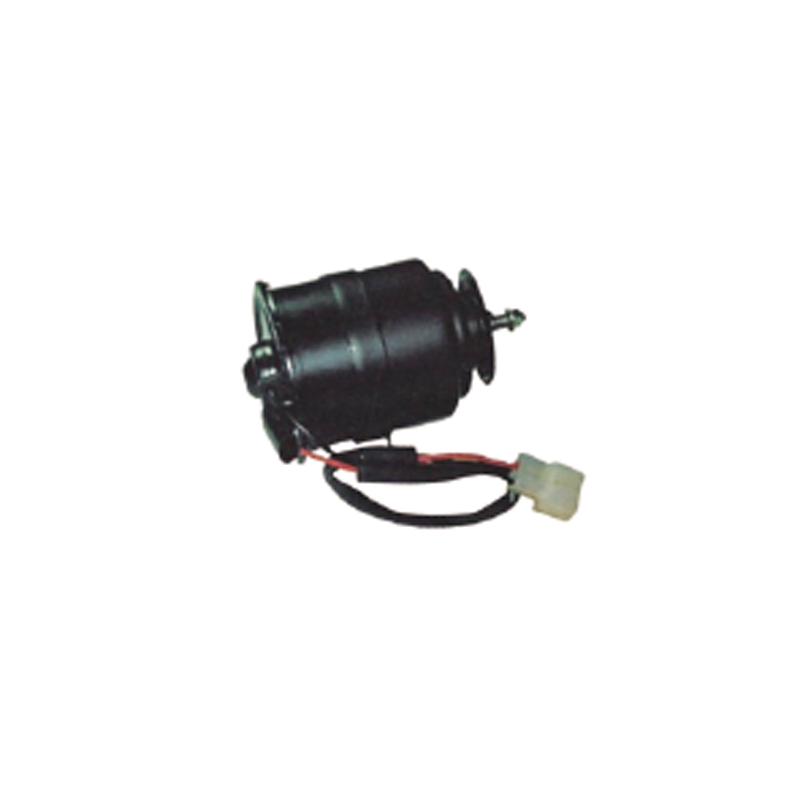
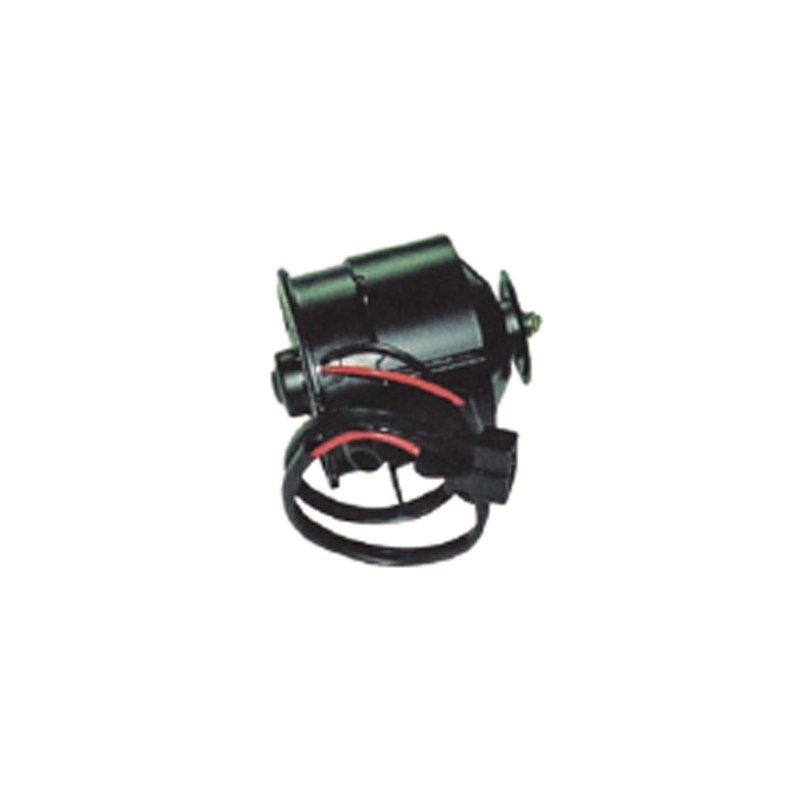
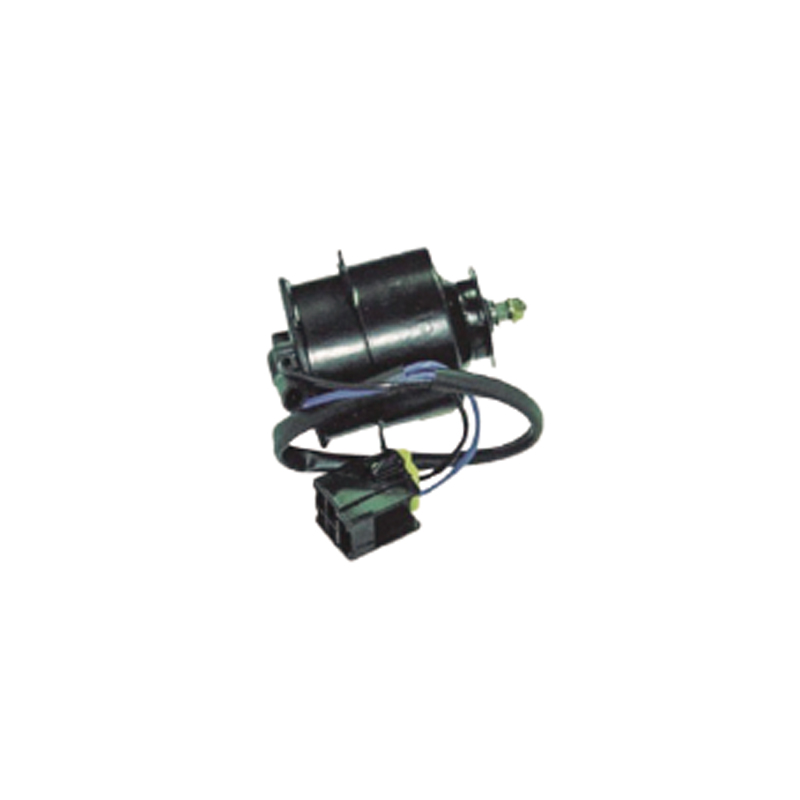
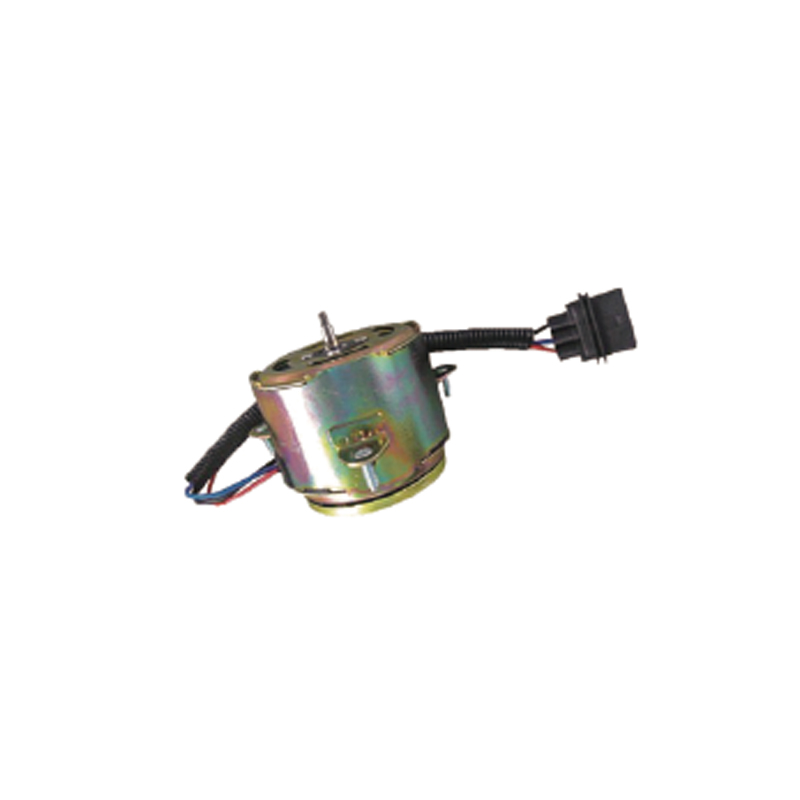
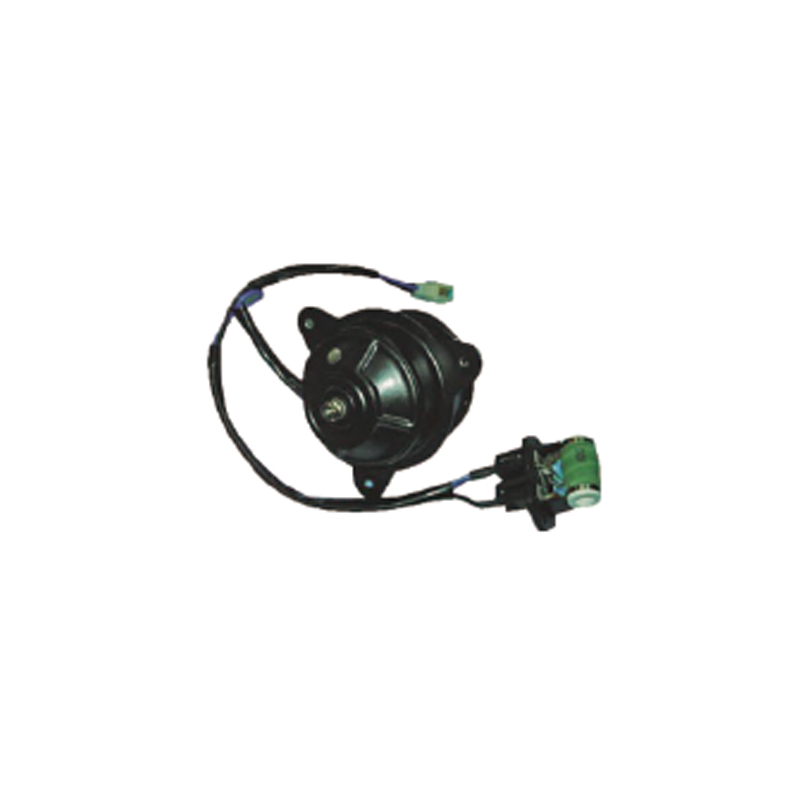
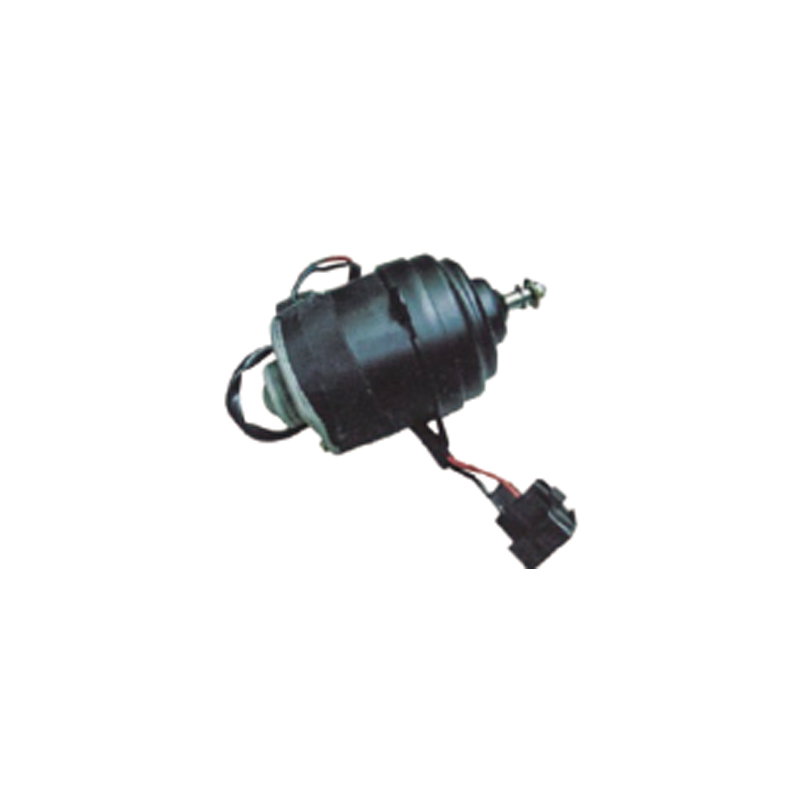
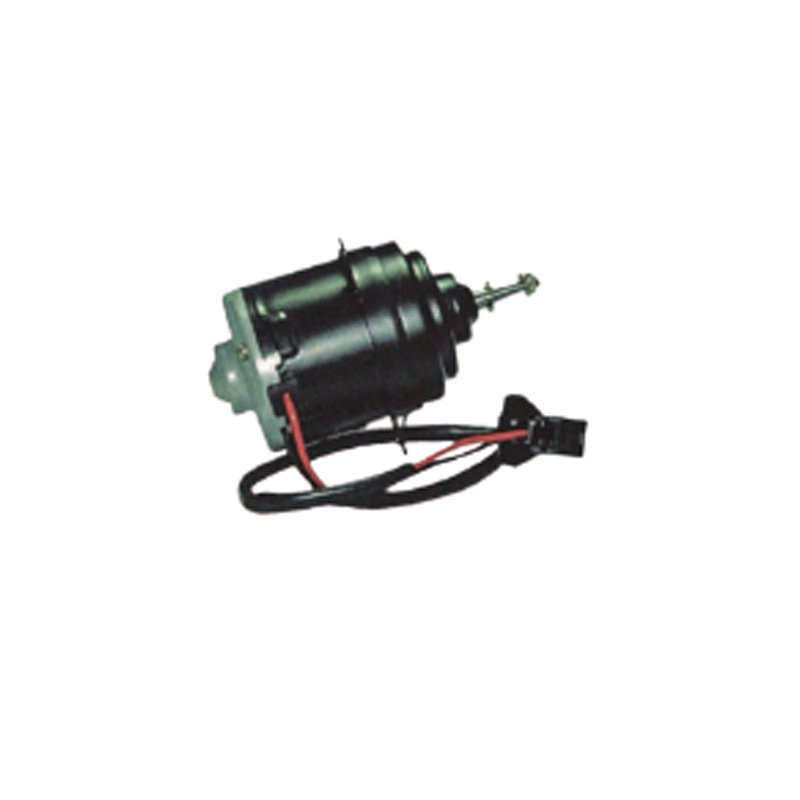
Brushless Axial Fans: These are the commonly used type in tank applications due to their longevity and efficiency. They use a brushless motor to power the blades, which reduces friction and enhances durability. This type of fan is known for its ability to operate continuously without significant wear and tear.
Brush Type Axial Fans: These fans use brushes to generate the electrical current that powers the fan. While they are reliable, they tend to have a shorter lifespan than brushless variants due to the wear and tear on the brushes.
Centrifugal Fans: Used in specific cooling systems where the airflow needs to be directed with more precision. These fans are not as common in tanks but have their applications in certain high-performance cooling scenarios.
The tank radiator brushless axial fan works by drawing in air through the rear of the radiator. Once the fan blades begin to spin, the air passes through the cooling fins of the radiator, taking away heat that has been absorbed by the coolant. The fan helps to accelerate this air movement, ensuring that the heat is expelled quickly and the coolant remains at a temperature.
One of the key advantages of a brushless axial fan is its use of a brushless motor. Traditional motors use brushes to transfer current, which can result in friction, wear, and eventual failure. In contrast, brushless motors utilize contactless electronic commutation technology, which eliminates this friction, extends the motor’s lifespan, and enhances efficiency. This makes the brushless axial fan ideal for continuous, long-term operation, especially in environments where reliability is essential.
Enhanced Cooling Efficiency: By increasing the airflow across the radiator, these fans ensure that the engine remains at the temperature, preventing overheating and potential engine damage.
Longer Service Life: The tank radiator brushless axial fan offers a much longer service life due to its reduced wear and tear. This makes it suitable for long-duration operations without frequent maintenance.
Improved Airflow Control: The fans are designed to maintain stable and controlled airflow, ensuring that the radiator can function effectively even under challenging conditions.
Energy Efficiency: Brushless axial fans are more energy-efficient compared to their brush counterparts, reducing power consumption while maintaining cooling performance.
When selecting a tank radiator fan, several factors must be considered:
Fan Size and Airflow Requirements: The size of the fan and the airflow it can generate are crucial to ensuring effective cooling. A fan that is too small may not provide sufficient airflow, while an oversized fan may unnecessary energy consumption.
Environmental Conditions: Fans must be selected based on the operating environment. In harsh or dusty conditions, for example, specialized fans may be needed to ensure proper functioning.
Power Consumption: Since the fan operates continuously, its power consumption can impact the overall energy efficiency of the system. Choosing a fan with low energy consumption is essential for optimizing operational costs.
Durability: Given that tank systems are often exposed to high temperatures and heavy use, selecting a fan with a long service life, such as the tank radiator brushless axial fan, can reduce maintenance costs and improve overall reliability.
| Feature | Tank Radiator Brushless Axial Fan | Tank Radiator Brush Type Axial Fan | Tank Centrifugal Fan |
|---|---|---|---|
| Motor Type | Brushless | Brushed | Centrifugal |
| Efficiency | High | Moderate | High |
| Service Life | Long | Shorter | Moderate |
| Power Consumption | Low | Moderate | High |
| Common Use | Tanks, Heavy-duty equipment | General automotive cooling | Specialized cooling |
Tank radiator fans are essential components in military tanks, agricultural machinery, construction vehicles, and other heavy-duty machinery where efficient cooling is critical for performance. These fans ensure that the cooling system operates effectively, even in demanding conditions such as heat or high-load scenarios.
1. What is the main function of a tank radiator fan?
A tank radiator fan’s primary function is to enhance the cooling of the radiator by increasing airflow, ensuring that the engine remains at a operating temperature.
2. How does a brushless axial fan differ from a brushed fan?
A brushless axial fan uses a brushless motor that eliminates friction, extending the fan’s lifespan and improving efficiency compared to a brushed fan.
3. Can a tank radiator fan operate continuously?
Yes, especially the brushless axial fans, which are designed for long-term, continuous operation without significant wear and tear.
4. Why is energy efficiency important for tank radiator fans?
Energy efficiency is crucial because tank radiator fans run continuously, and efficient fans help reduce power consumption, lowering operational costs.
5. How can I choose the right tank radiator fan for my system?
When selecting a fan, consider factors like size, airflow capacity, power consumption, environmental conditions, and the expected service life of the fan.
Tank radiator fans, particularly the tank radiator brushless axial fan, are indispensable components for effective engine cooling. They provide reliable, energy-efficient, and durable solutions for tanks and other heavy-duty machinery. Understanding the technology behind these fans can help you make informed decisions about which fan is suited for your cooling needs, ensuring performance and longevity.
Your email address will not be published. Required fields are marked *

Zhejiang Nicety Electric Machinery Co., Ltd. specializes in the production of four series of products: condenser electronic fan, radiator (water tank) fan, blower, and air conditioner assembly. Professional production American, European, Japanese, Korean And Domestic brand DC automotive axial fans.
Email: [email protected] / [email protected]
Tel: +86-0578-7125439 / +86 181 0658 9231
Address:No. 98, Guangda Street, Jinsha Industrial Zone, Longquan City, Zhejiang Province, China