
 English
 Español
 عربى
عربى русский
Contact Us
Your email address will not be published. Required fields are marked *
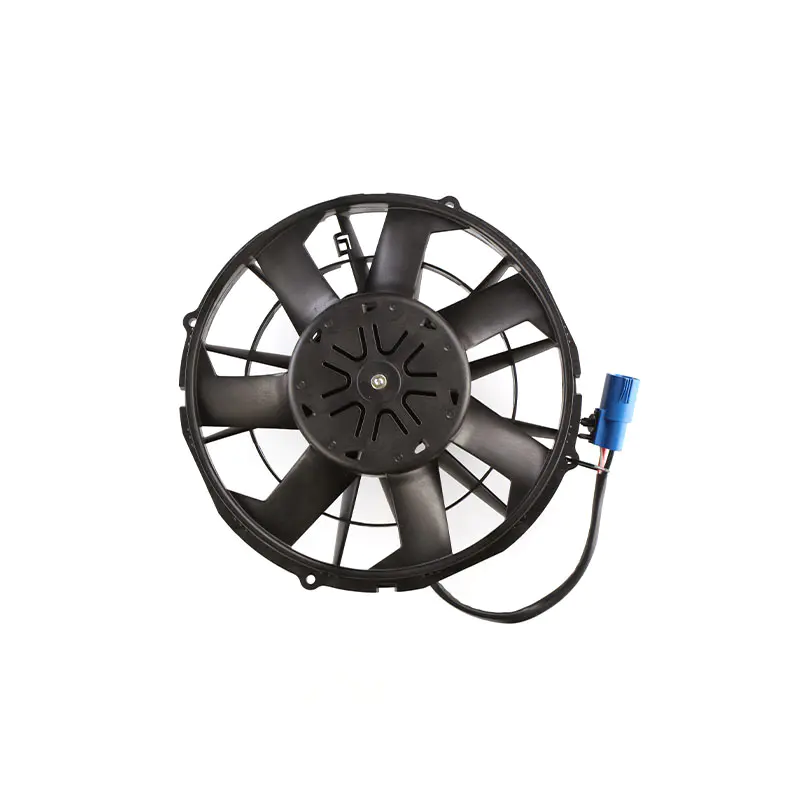
As modern equipment moves toward higher performance, denser integrations, and sustained workloads, thermal management has become a decisive factor in ensuring operational reliability and efficiency. The ability to remove heat rapidly, distribute airflow uniformly, and maintain stable temperature levels directly impacts equipment performance, service life, and safety margins.
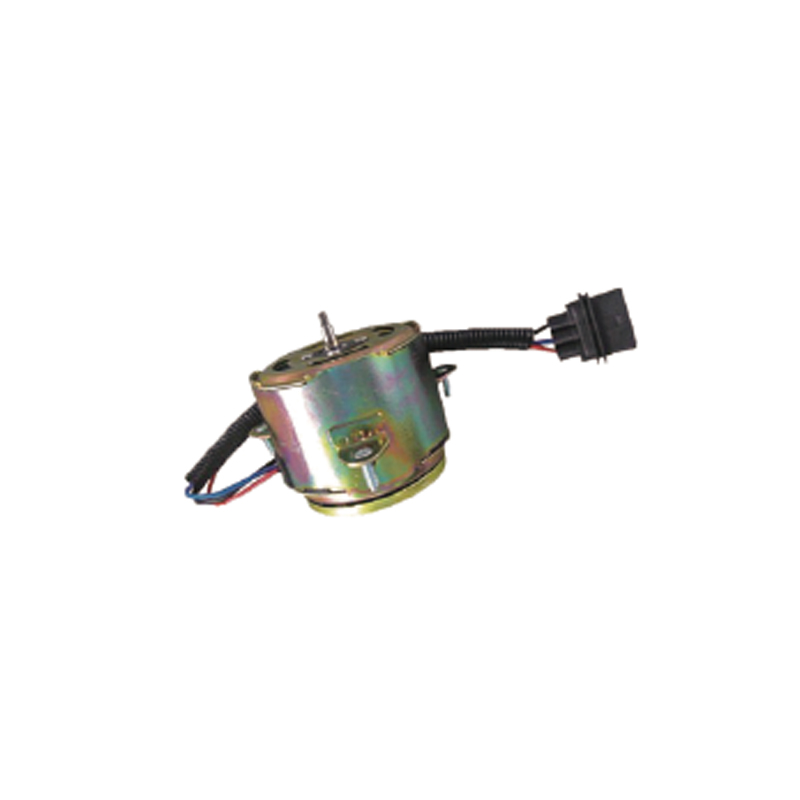
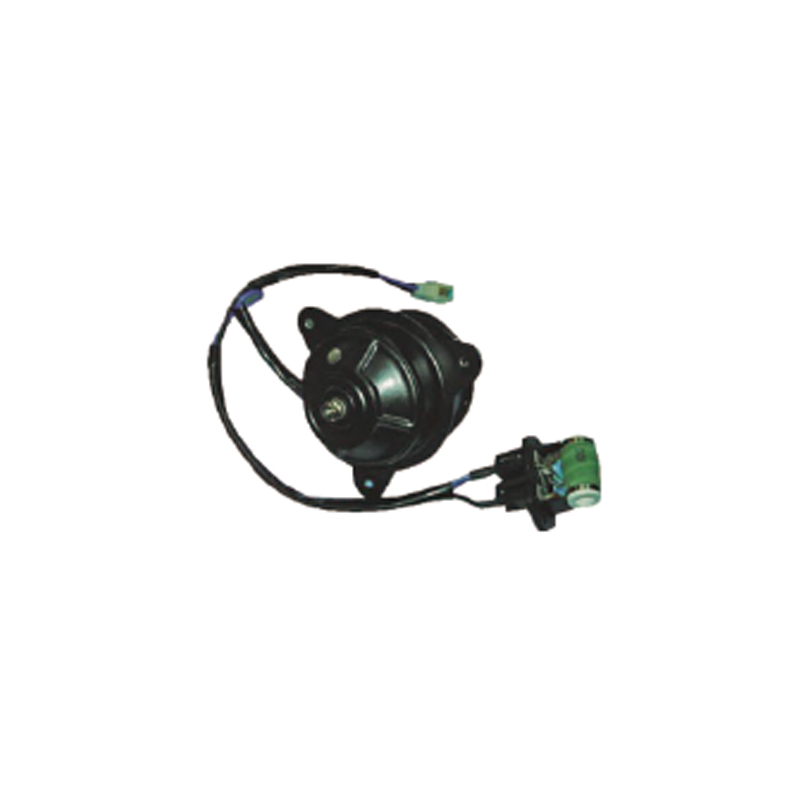
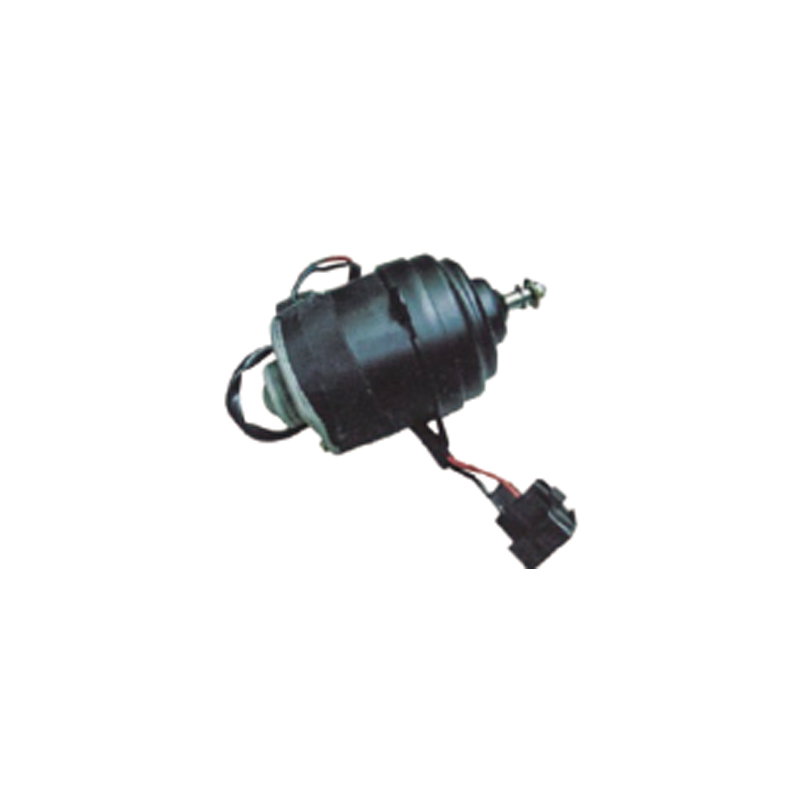
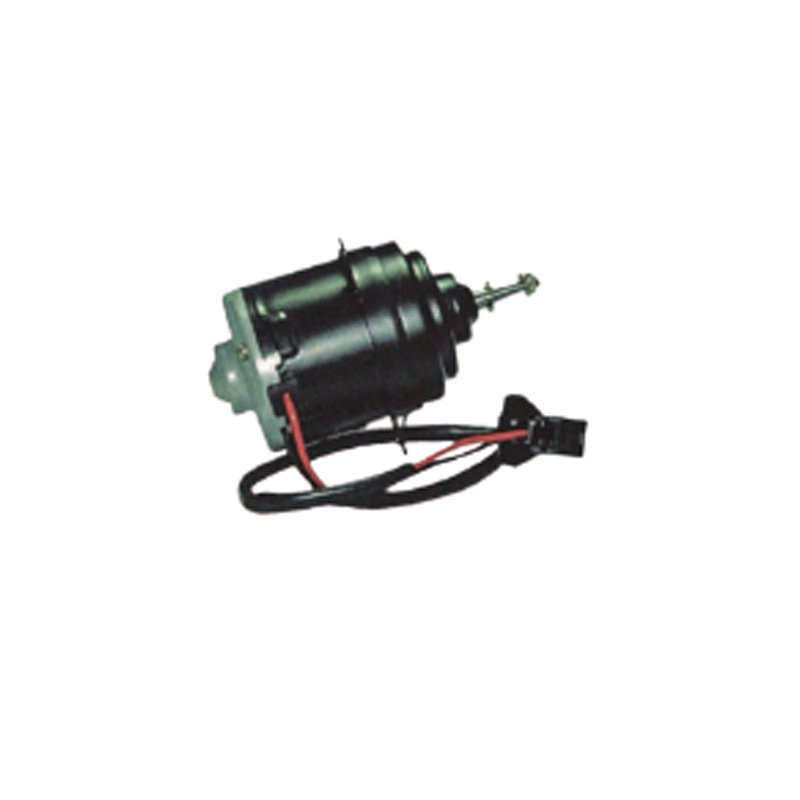
Within this system, DC axial fans have emerged as a core component due to their compact configuration, consistent airflow output, low energy consumption, and adaptability to diverse operating conditions.
Heat dissipation within any system typically involves conduction, convection, and radiation. Among these mechanisms, forced convection—enabled by DC axial fans—provides the effective pathway to accelerate heat transfer and stabilize internal temperatures.
Compared with natural convection, DC axial fans deliver the following advantages:
For these reasons, DC axial fans are widely used across electronic devices, industrial control modules, automation systems, communication equipment, energy storage units, and enclosure cooling solutions.
The thermal efficiency of DC axial fans is largely determined by their aerodynamic structure. Blade geometry, static pressure output, motor response, and duct compatibility are the main performance variables.
Blade pitch angle, curvature, and chord length collectively determine how effectively air is accelerated. Optimized blade design provides:
These characteristics are crucial for steady cooling inside densely packed systems.
A key advantage of DC axial fans is the ability to deliver consistent airflow even within restrictive thermal paths. Static pressure must match the system environment—particularly when airflow encounters resistance from heat sinks, narrow ducts, grids, or enclosures.
The following parameters help define performance:
Proper matching ensures stable heat dissipation without unnecessary power consumption.
Noise is an important consideration for long-term operation. Turbulence reduction and aerodynamic refinement allow DC axial fans to maintain high airflow while suppressing acoustic output.
Common aerodynamic noise-control strategies include:
These features contribute to low-noise ventilation and improve overall system thermal comfort and efficiency.
To illustrate core product attributes and their impact on thermal performance, the following table outlines key structural elements:
| Component | Structural Description | Contribution to Thermal Efficiency |
|---|---|---|
| Blade assembly | Streamlined, high-pressure blade design | Enhances airflow and cooling coverage |
| Motor system | High-efficiency brushless DC motor | Improves stability and reduces energy consumption |
| Frame housing | Heat-resistant, rigid frame design | Minimizes vibration and supports long-term operation |
| Air-guide structure | Optimized airflow channeling | Reduces flow loss and increases cooling uniformity |
| Speed-control mechanism | Voltage or PWM control | Adjusts airflow based on real-time temperature |
| Noise-reduction features | Turbulence-dampening and acoustic refinement | Enables low-noise, stable airflow performance |
The combination of these structural features enables DC axial fans to maintain strong cooling efficiency across diverse operating environments.
By driving high-velocity airflow across heat-generating surfaces, DC axial fans remove buildup heat and maintain stable thermal conditions, even during continuous high-power operation.
High-airflow cooling helps to eliminate sudden thermal spikes. Continuous forced-air convection stabilizes heat levels and ensures consistent thermal distribution across the system.
DC axial fans offer a favorable balance between airflow output and power consumption. Their ability to deliver stable cooling with minimal energy demand reduces thermal-management overhead compared with high-power alternatives.
Lower operating temperatures reduce material stress, component fatigue, and electrical failures. A cooling system built around DC axial fans therefore contributes to long-term reliability and performance stability.
For thermal management, DC axial fans must be integrated into the broader system design.
A well-designed airflow system is essential for ensuring that forced air reaches heat-critical areas. Key considerations include:
Optimized airflow paths significantly enhance thermal synergy.
When combined with temperature sensors and dynamic algorithms, DC axial fans can adjust their speed according to thermal load.
This results in:
Compact DC axial fans are particularly valuable in confined device structures. They provide strong airflow without requiring large installation space, making them ideal for high-density equipment.
Different operating environments impose varying requirements on cooling solutions:
DC axial fans are widely adopted in these fields due to their adaptability, power efficiency, and reliable cooling performance.
DC axial fans play a critical role in enhancing thermal management efficiency across modern equipment and systems. Their aerodynamic design, structural reliability, flexible speed control, and strong airflow output make them indispensable within cooling architectures.
Your email address will not be published. Required fields are marked *

Zhejiang Nicety Electric Machinery Co., Ltd. specializes in the production of four series of products: condenser electronic fan, radiator (water tank) fan, blower, and air conditioner assembly. Professional production American, European, Japanese, Korean And Domestic brand DC automotive axial fans.
Email: [email protected] / [email protected]
Tel: +86-0578-7125439 / +86 181 0658 9231
Address:No. 98, Guangda Street, Jinsha Industrial Zone, Longquan City, Zhejiang Province, China