
 English
 Español
 عربى
عربى русский
Contact Us
Your email address will not be published. Required fields are marked *
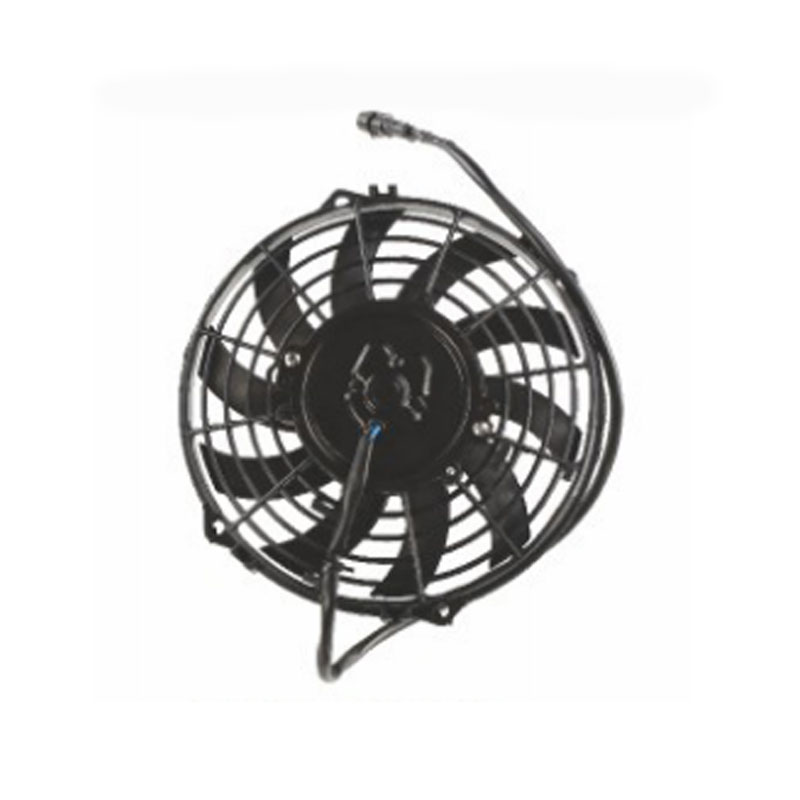
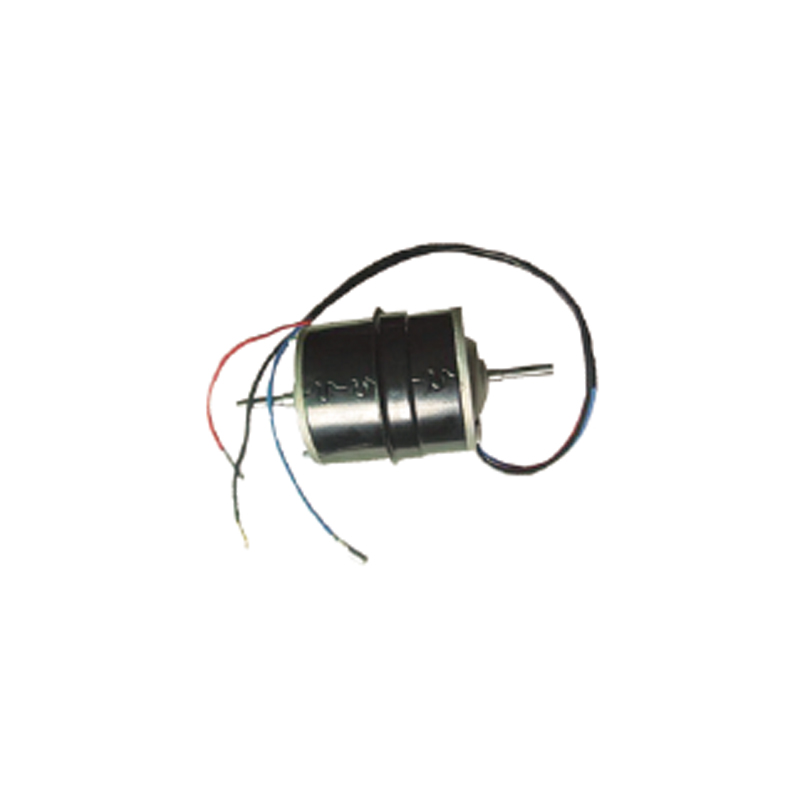
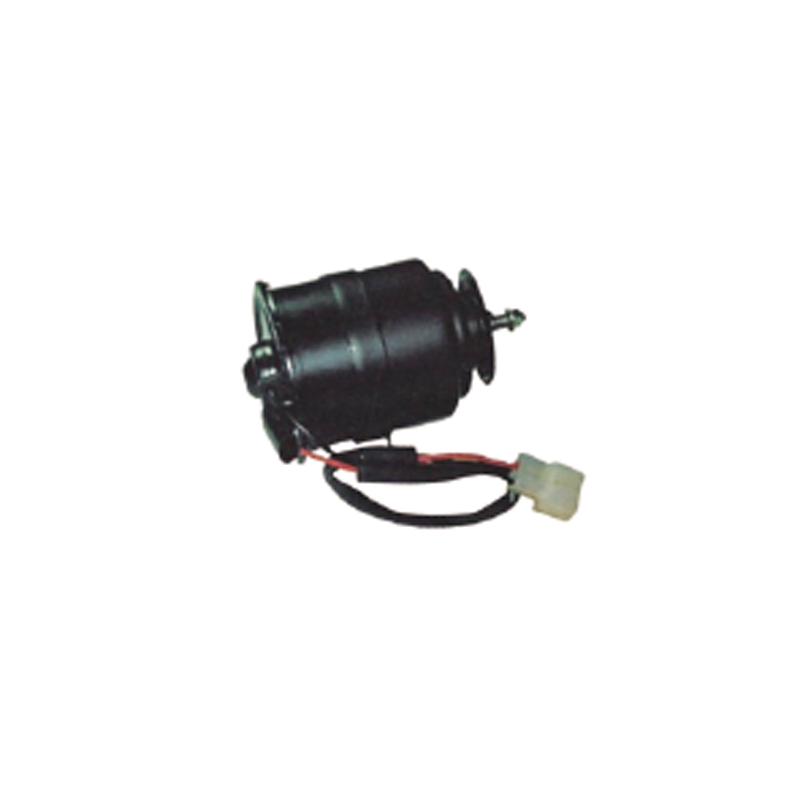
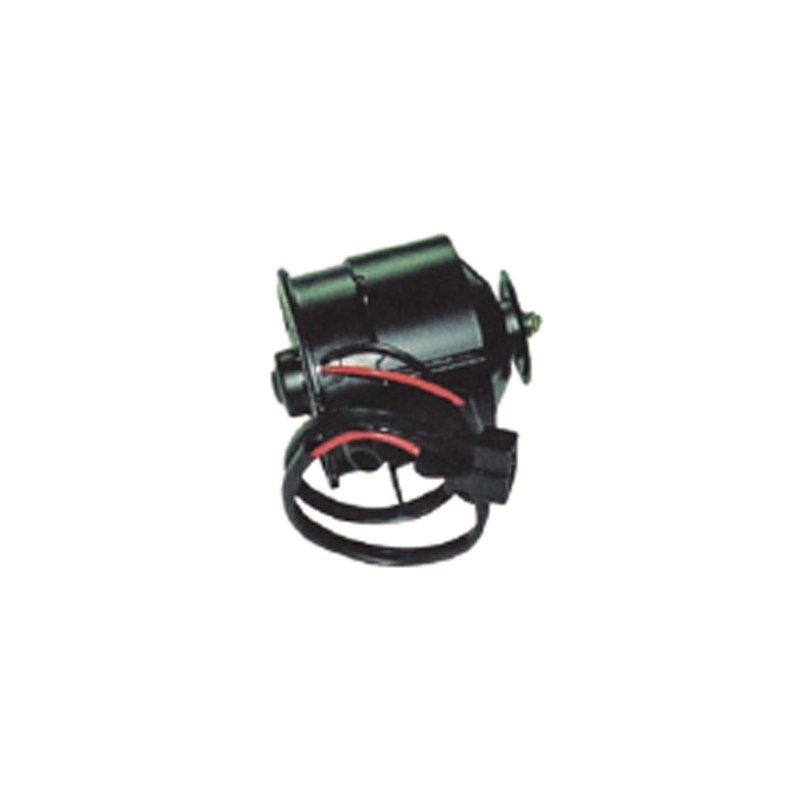
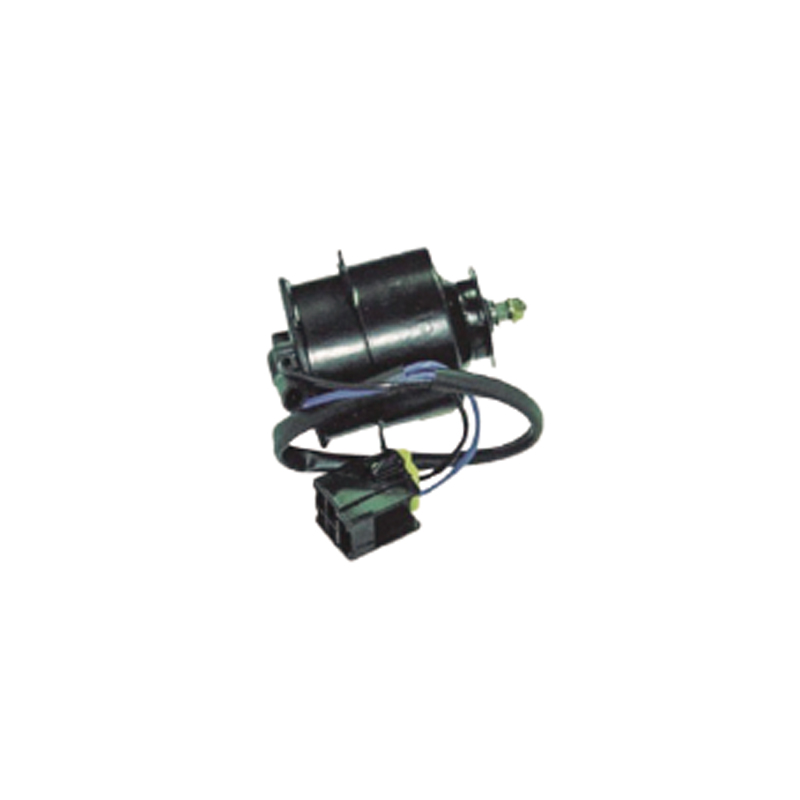
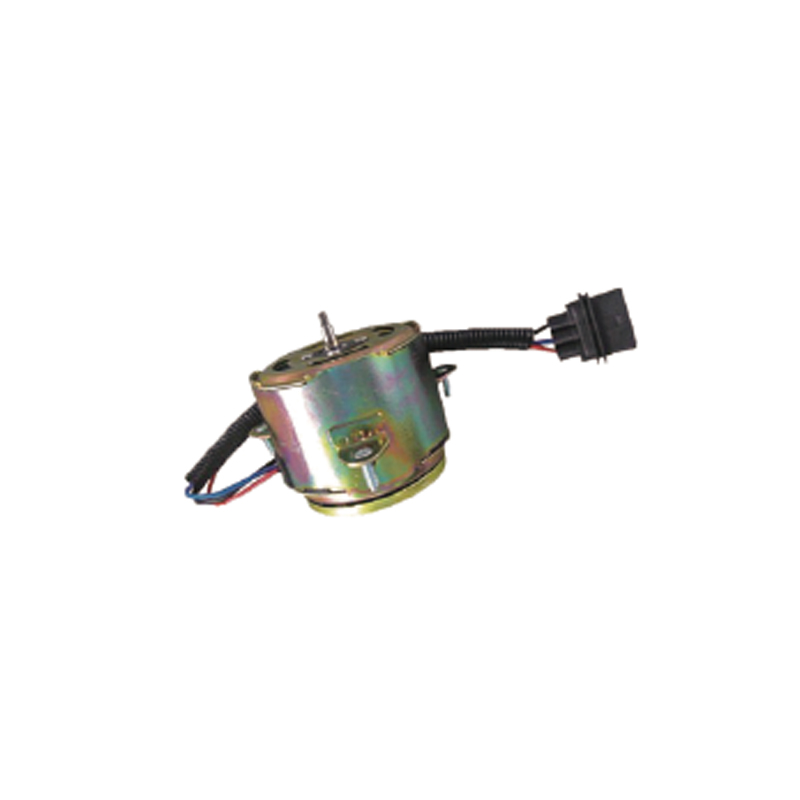
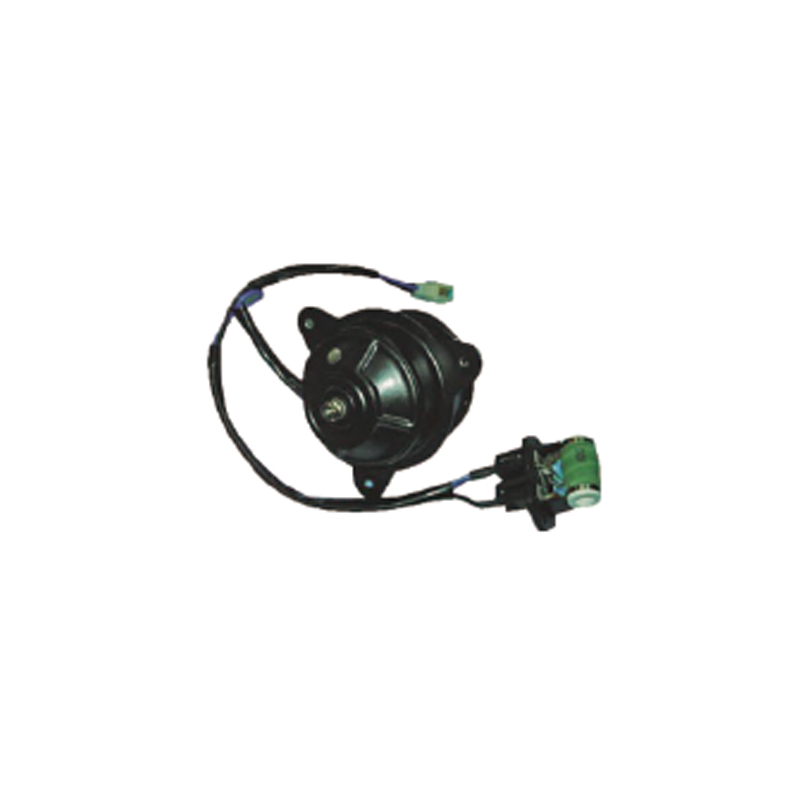
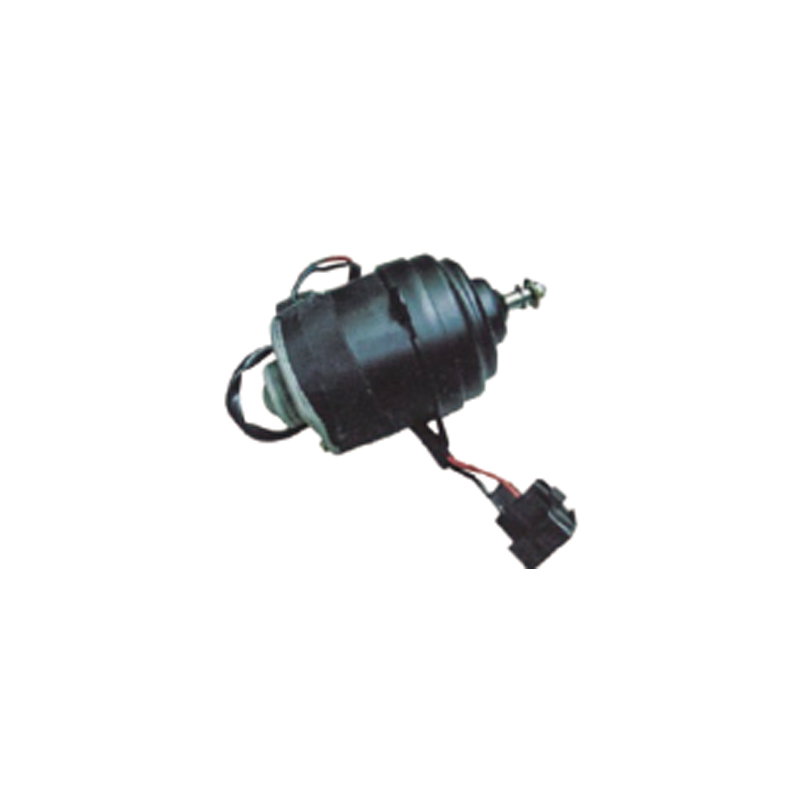
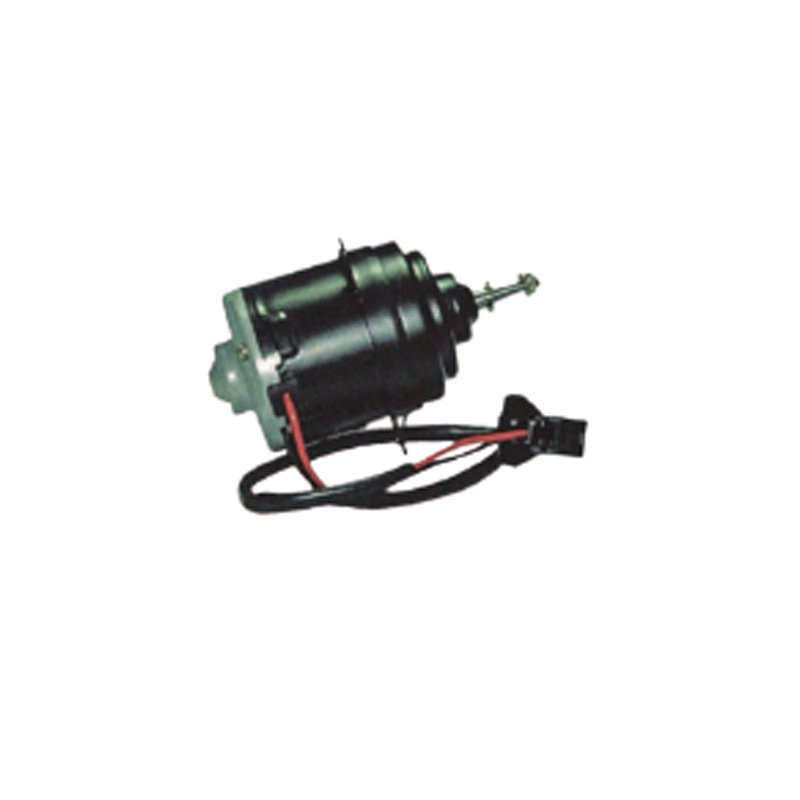
A condensing fan is an airflow device installed in condenser units to remove heat generated during refrigerant condensation. Understanding the structure and components helps buyers evaluate quality and performance.
Every condensing fan consists of seven essential components working together to deliver efficient heat dissipation:
The operating principle begins as the compressor compresses refrigerant gas. The refrigerant releases heat through condenser coils, and the condensing fan moves ambient air across the coils. Heat is transferred away from the system, allowing the refrigerant to change from gas to liquid state. Key performance factors include airflow volume (cubic feet per minute), static pressure (resistance to airflow), motor efficiency (energy conversion), fan speed (rotations per minute), noise level (decibels), and operating temperature range (ambient conditions). This combination enables effective heat removal and system efficiency.
Condensing fans are available in various configurations to suit different applications, airflow requirements, and operating environments.
| Fan Type | Key Features | Best Applications | Performance Characteristics |
| Axial | High airflow, compact structure, efficient heat exchange | AC units, commercial refrigeration, outdoor condensers | High volume, low pressure |
| Centrifugal | Higher pressure capability, airflow direction control | Industrial HVAC, large cooling equipment | High pressure, duct applications |
| AC | Traditional motor design, stable operation, simple control | Commercial HVAC, refrigeration equipment | Fixed speed, reliable |
| DC Brushless | High efficiency, variable speed, low maintenance, long life | Energy-efficient systems, smart refrigeration | Variable speed, efficient |
| Outdoor | Weather-resistant, high temperature tolerance, stable operation | Outdoor AC units, heat pumps, commercial equipment | Weatherproof, durable |
| Custom Solutions | Diameter, voltage, motor specs, blade design, airflow capacity | OEM equipment, industrial projects | Tailored specifications |
Select the right fan type based on your application requirements. Axial for high airflow in compact spaces; centrifugal for duct applications and high pressure; AC for traditional reliable systems; DC brushless for energy efficiency; outdoor for weather-exposed installations; custom for specific project requirements.
Condensing fans undergo a precision manufacturing process that ensures performance, durability, and reliability. Understanding this process helps buyers evaluate supplier capabilities and product quality.
The production process begins with motor core production and coil winding. Rotor assembly integrates permanent magnets or windings. Electrical performance testing verifies motor efficiency, heat resistance, and continuous operation capability. Motors are tested for power output, temperature rise, and insulation resistance before proceeding.
Manufacturing processes include blade molding (injection or metal forming), metal or plastic processing, frame production, and balance adjustment. Material options include aluminum (lightweight and durable), engineering plastic (corrosion-resistant), and composite materials (high strength). Aerodynamic design, airflow efficiency, and mechanical strength are critical for optimal performance.
Components include speed controllers, electronic control modules, sensors, and wiring systems. Requirements include stable operation, energy efficiency, and safety compliance. Modern fans incorporate variable speed drives and protection features for enhanced performance and reliability.
Condensing fans undergo comprehensive testing: airflow testing (CFM verification), noise testing (decibel measurement), motor performance testing (efficiency and power), vibration testing (balance verification), and temperature resistance testing (environmental suitability). Quality requirements include long service life, stable airflow output, and reliable operation across all production batches.
The value proposition of condensing fans extends beyond basic airflow — delivering critical benefits for refrigeration and HVAC systems.
Increased airflow across condenser coils enables faster heat removal and improved refrigerant condensation — delivering better cooling performance and improved system efficiency.
Maintaining proper condenser temperature supports efficient refrigerant circulation and reduces system stress — lowering operating costs and improving overall energy efficiency.
Adaptation to high-temperature environments with continuous operation capability ensures reliable airflow performance — suitable for outdoor cooling systems and industrial refrigeration.
Optimized blade design, efficient motor technology, and reduced vibration deliver low noise operation and extended service life — improving user experience and reducing maintenance frequency.
The versatility of condensing fans makes them suitable for a broad spectrum of applications, each with specific performance requirements.
Making an informed decision requires understanding how condensing fans compare to alternative cooling fan types.
Condensing fans are installed in condenser units to remove heat from refrigerant. Evaporator fans circulate air across evaporator coils to cool the space. Condensing fans operate in higher temperature environments and remove heat from the system; evaporator fans operate in cooler environments and provide cooling to the conditioned space.
AC fans offer simple control and lower initial cost but operate at fixed speeds. DC brushless fans provide higher energy efficiency, variable speed control, longer service life, and lower maintenance requirements. DC fans are preferred for energy-efficient and smart systems.
Axial fans deliver high airflow with low pressure — suitable for condenser units with minimal resistance. Centrifugal fans provide higher pressure capability and airflow direction control — suitable for duct applications and systems with higher resistance.
Selecting the optimal condensing fan involves evaluating both the product and the manufacturer.
For HVAC and refrigeration buyers, supplier selection is critical. Assess potential manufacturers on: manufacturing experience (proven track record), motor technology (quality and efficiency), product testing capability (quality assurance), production capacity (volume and lead time), customization ability (design flexibility), and quality management system (ISO 9001 certification).
When comparing products, examine these key parameters: fan diameter (size requirement), airflow rate (CFM performance), voltage (electrical compatibility), power consumption (energy use), rotation speed (operating speed), noise level (acoustic performance), static pressure (pressure capability), and operating temperature (environmental suitability). Specification tables from reputable manufacturers provide essential data for informed decision-making.
Proper maintenance of condensing fans extends service life and maintains cooling efficiency.
The condensing fan industry continues to evolve with technological advances and changing market demands.
Advanced motor control with IoT connectivity enables real-time monitoring, predictive maintenance, and automatic speed adjustment based on system conditions. Smart fans optimize energy consumption and improve system reliability.
Brushless DC motors with improved efficiency and integrated electronics are becoming standard. Higher motor efficiency (85-90%) and better speed control reduce energy consumption and improve system performance.
Computational fluid dynamics enables optimized blade designs for higher efficiency and lower noise. Advanced materials and manufacturing techniques improve blade performance and durability.
Condensing fans are installed in the outdoor condenser unit to remove heat from the refrigerant. Evaporator fans are installed in the indoor unit to circulate air across the evaporator coil and cool the conditioned space. Each serves a different function in the refrigeration cycle.
AC fans offer lower initial cost and simple control for traditional systems. DC brushless fans provide higher efficiency (up to 30% energy savings), variable speed control, longer service life, and lower maintenance. Choose AC for cost-sensitive applications; DC for energy-efficient and modern systems.
Airflow capacity depends on condenser size, system capacity, and operating conditions. Consult the equipment manufacturer specifications for required CFM (cubic feet per minute). Proper airflow is essential for system efficiency and compressor protection.
With proper maintenance, quality condensing fans provide 5-10 years of service in commercial applications and 10-15 years in residential applications. DC brushless fans with high-quality bearings typically offer longer service life than AC fans.
Yes. Outdoor condensing fans are specifically designed for high-temperature operation with appropriate motor insulation, bearings, and materials. Verify the operating temperature range of the selected fan matches your application requirements.
Your email address will not be published. Required fields are marked *

Zhejiang Nicety Electric Machinery Co., Ltd. specializes in the production of four series of products: condenser electronic fan, radiator (water tank) fan, blower, and air conditioner assembly. Professional production American, European, Japanese, Korean And Domestic brand DC automotive axial fans.
Email: [email protected] / [email protected]
Tel: +86-0578-7125439 / +86 181 0658 9231
Address:No. 98, Guangda Street, Jinsha Industrial Zone, Longquan City, Zhejiang Province, China