
 English
 Español
 عربى
عربى русский
Contact Us
Your email address will not be published. Required fields are marked *
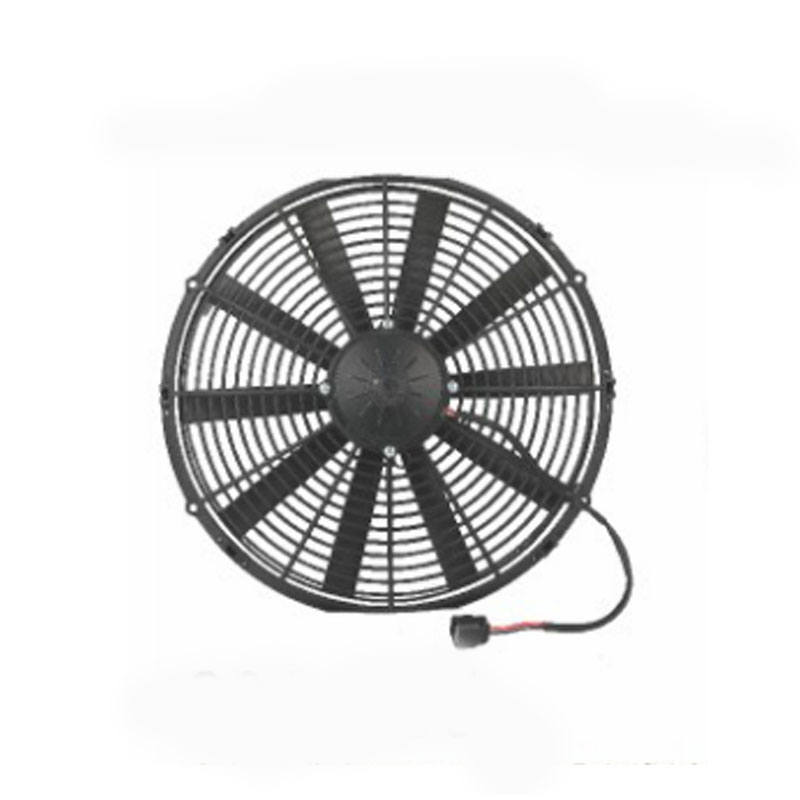
A condensing fan is sized correctly when its airflow rate, static pressure, and motor type match the actual heat load of the condenser coil, not just the fan diameter listed on a catalog page. Undersized fans force compressors to work harder and shorten system life, while oversized fans waste energy and add unnecessary noise.
A condensing fan forces air across condenser coils so refrigerant can release heat and change from gas back to liquid, completing the refrigeration cycle. Without adequate airflow at this stage, refrigerant pressure rises, compressor load increases, and the entire cooling system loses efficiency even if every other component is functioning correctly.
The fan type behind a condensing fan determines airflow pattern, static pressure capability, and long-term energy cost, so this choice should come before diameter or voltage.
| Application | Priority Spec | Why It Matters |
| Cold storage warehouses | Continuous duty rating, low temperature tolerance | Fans run 24/7 at sub-zero coil temperatures |
| Commercial HVAC | Noise level, energy efficiency | Rooftop and near-occupant installation |
| Data center cooling | Static pressure, reliability rating | Precision cooling cannot tolerate downtime |
| Commercial refrigeration cabinets | Compact diameter, low noise | Space-constrained, customer-facing environment |
An EC motor condensing fan running at variable speed can cut fan energy use significantly compared to a fixed-speed AC motor doing the same cooling job, since the fan only draws full power when the heat load actually demands it.
A general ventilation fan and a condensing fan look similar but are engineered for different jobs entirely.
Ask which HVAC or refrigeration OEMs the supplier currently supplies at production volume.
Confirm motor efficiency, blade balance, and noise testing happen on every production batch.
Check what can be adjusted: fan size, motor type, voltage, blade design, and mounting structure.
Confirm production capacity and after-sales response time before committing to a bulk order.
Airflow requirement is calculated from the condenser's heat rejection load and coil surface area, so the correct rate comes from the system's cooling capacity rather than the fan's physical size alone.
For continuous-duty applications like cold storage and data centers, the energy savings from variable speed operation typically offset the higher purchase price within the operating life of the fan.
Common causes include running outside the rated temperature range, inadequate protection rating for the installation environment, and continuous operation beyond the fan's designed duty cycle.
Yes, manufacturers can adjust fan diameter, motor voltage, blade design, and mounting brackets to match an existing condenser housing without redesigning the whole unit.
Your email address will not be published. Required fields are marked *

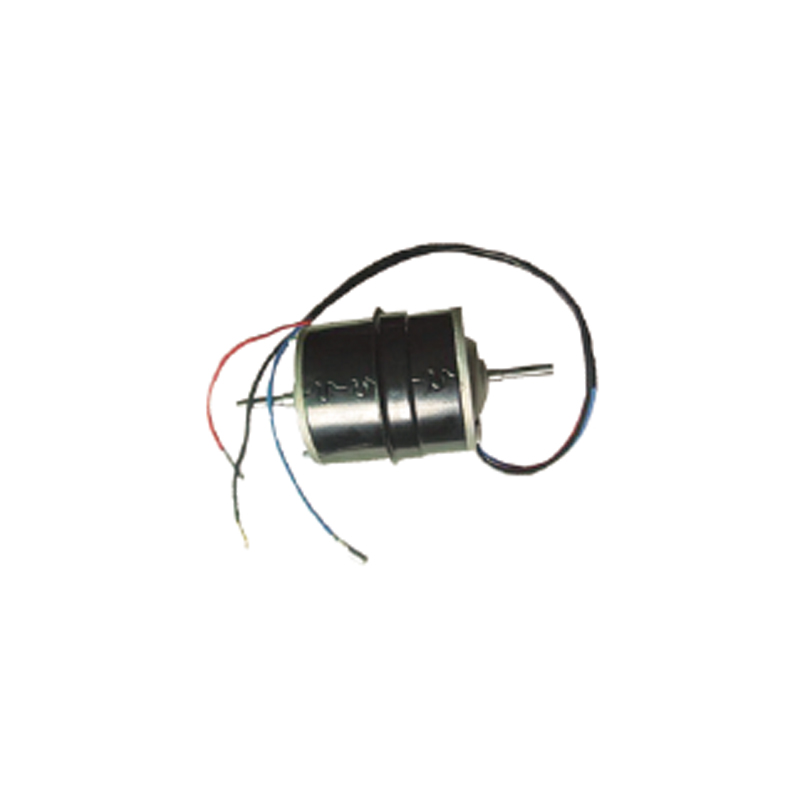
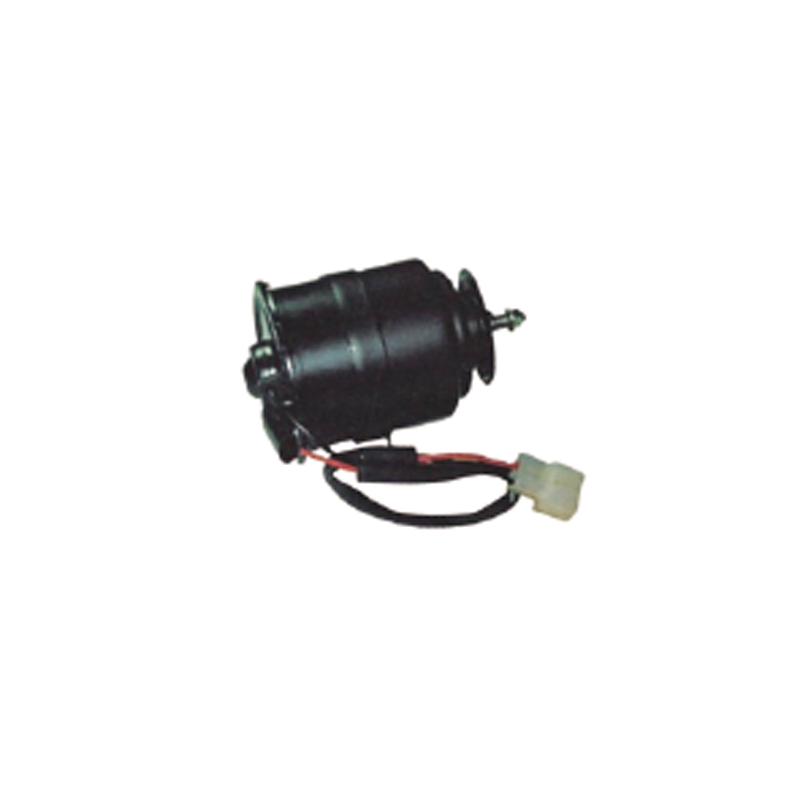
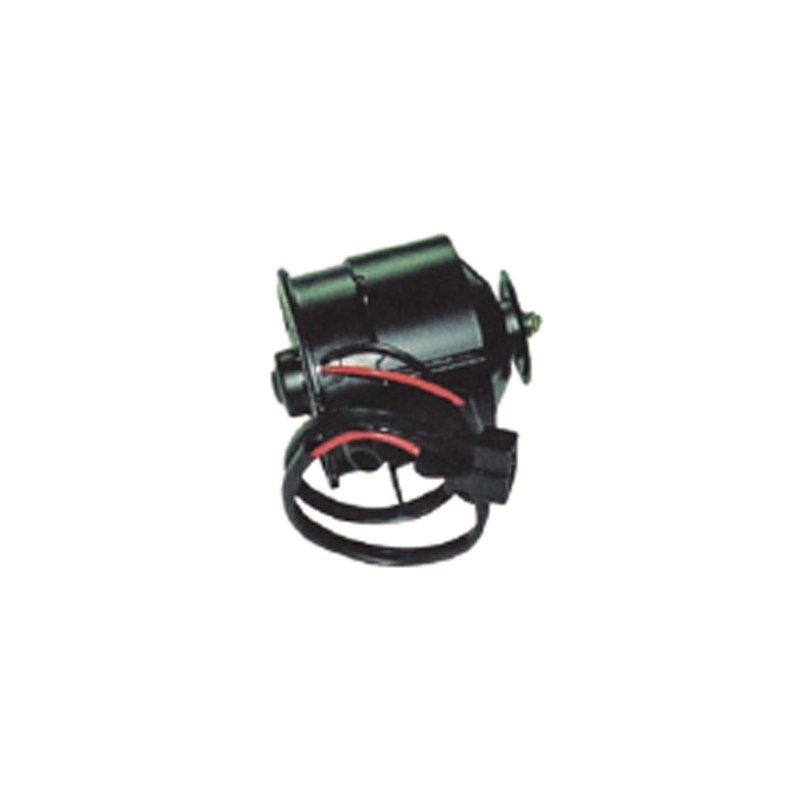
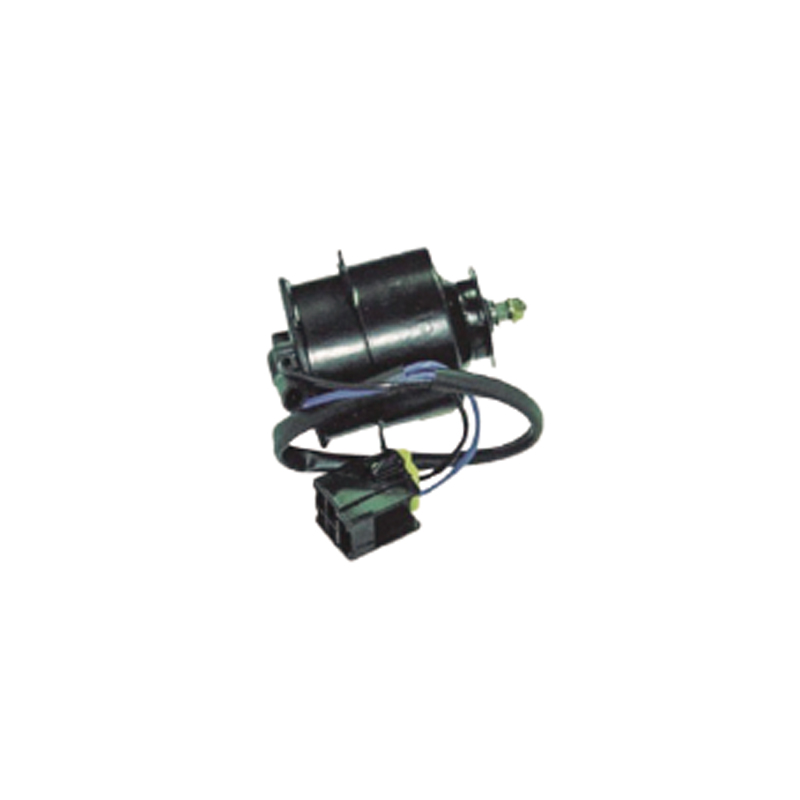
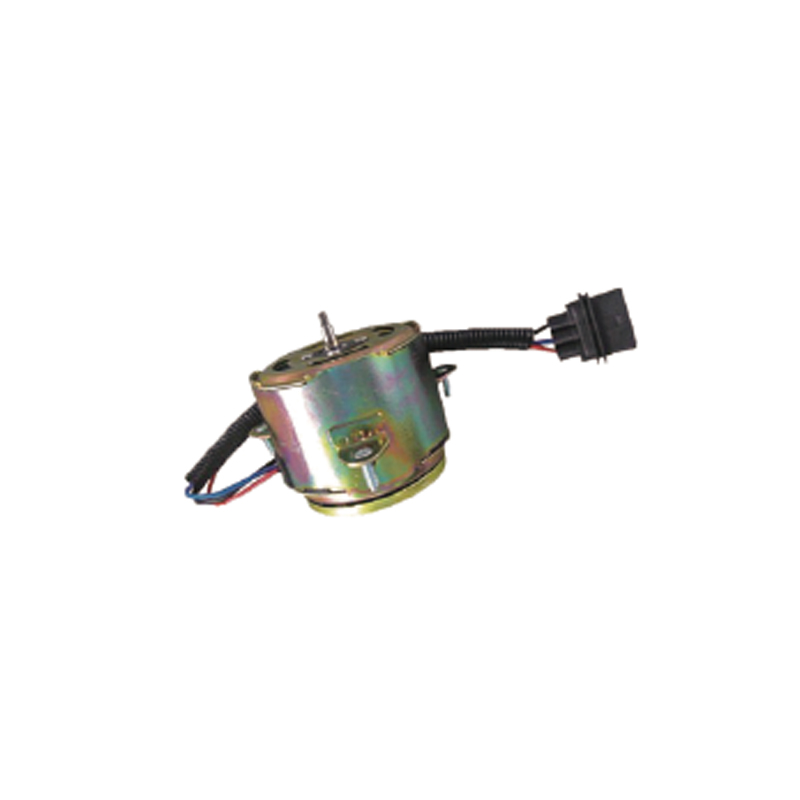
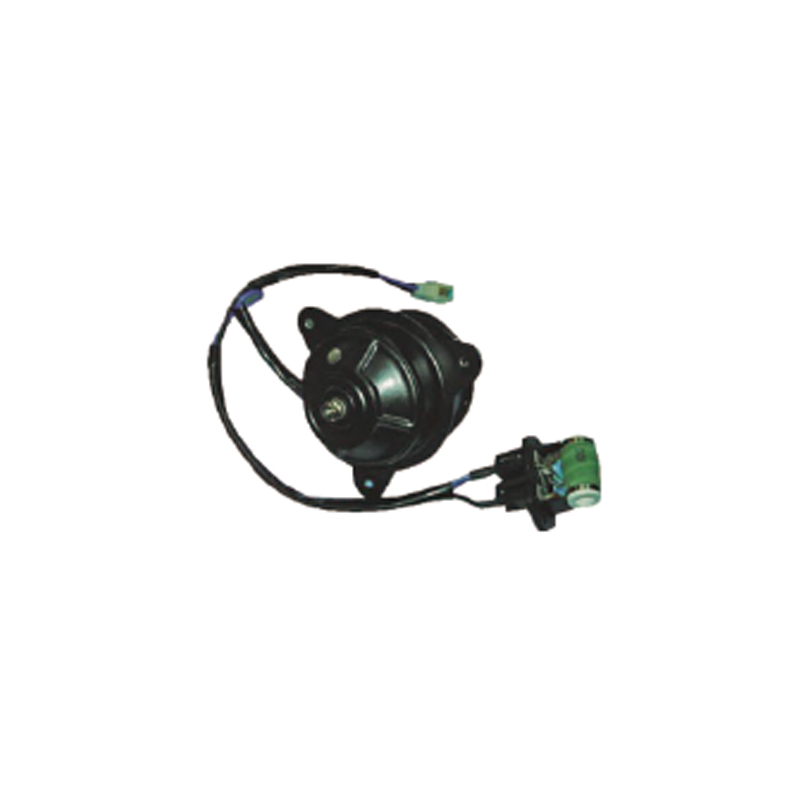
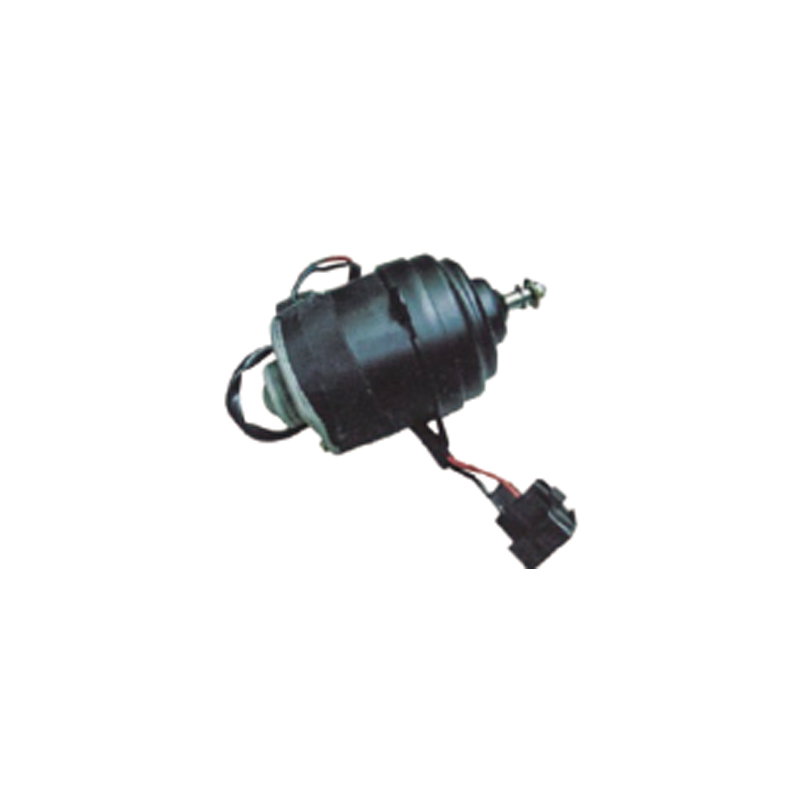
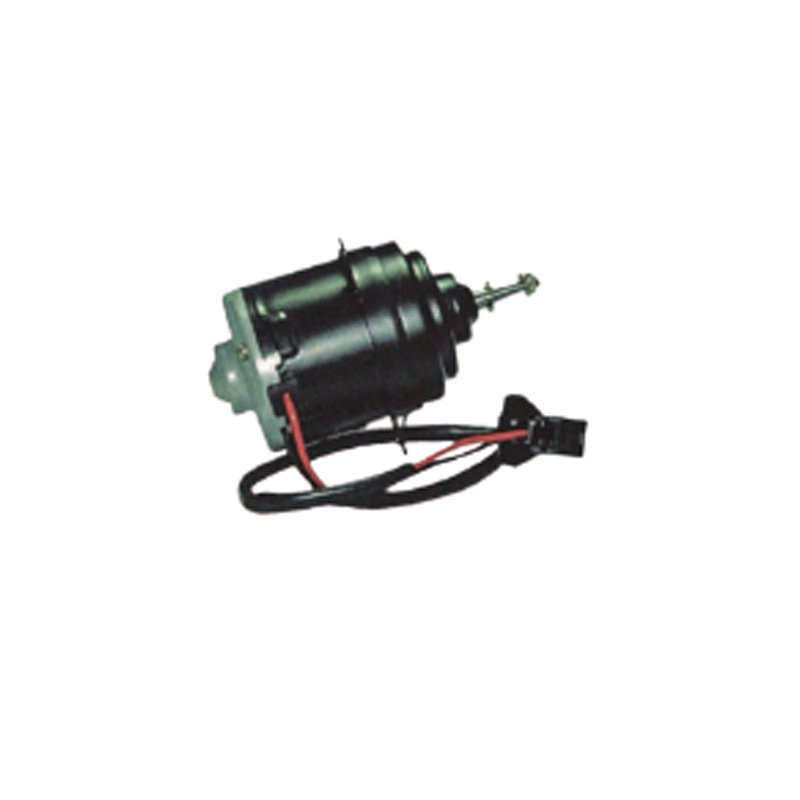
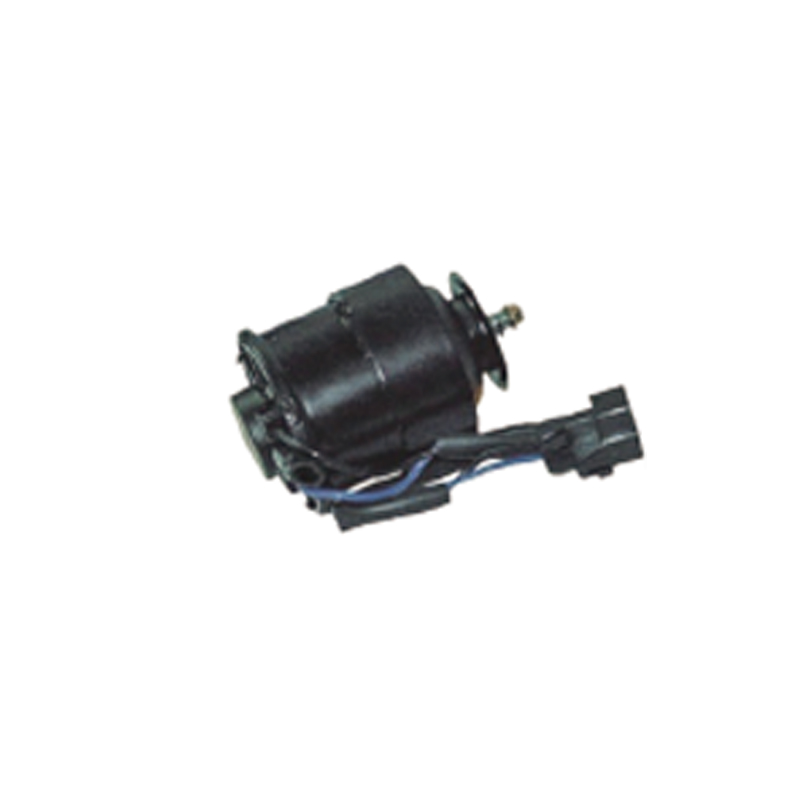
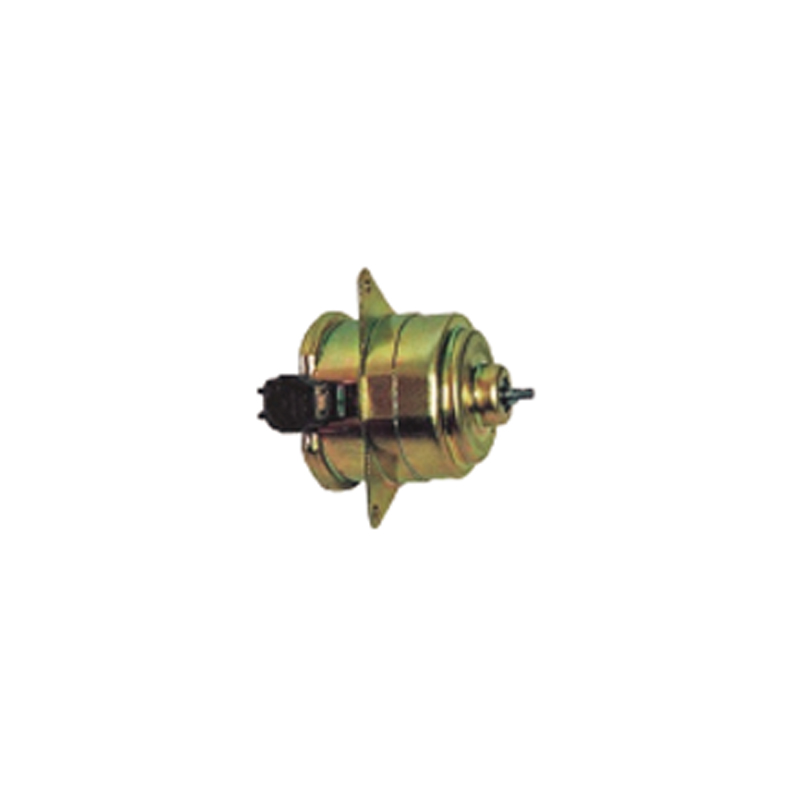
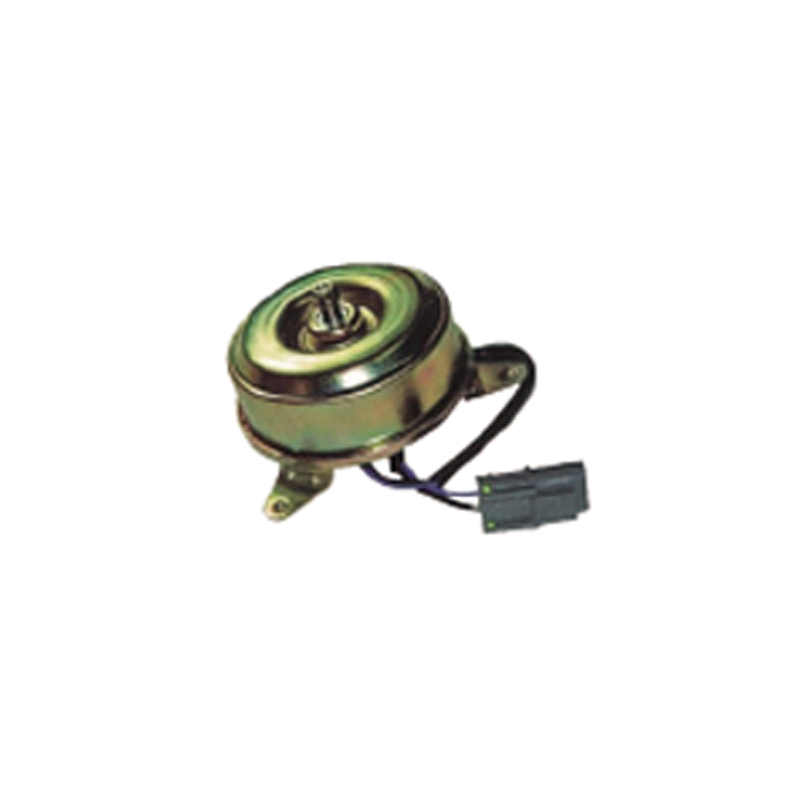
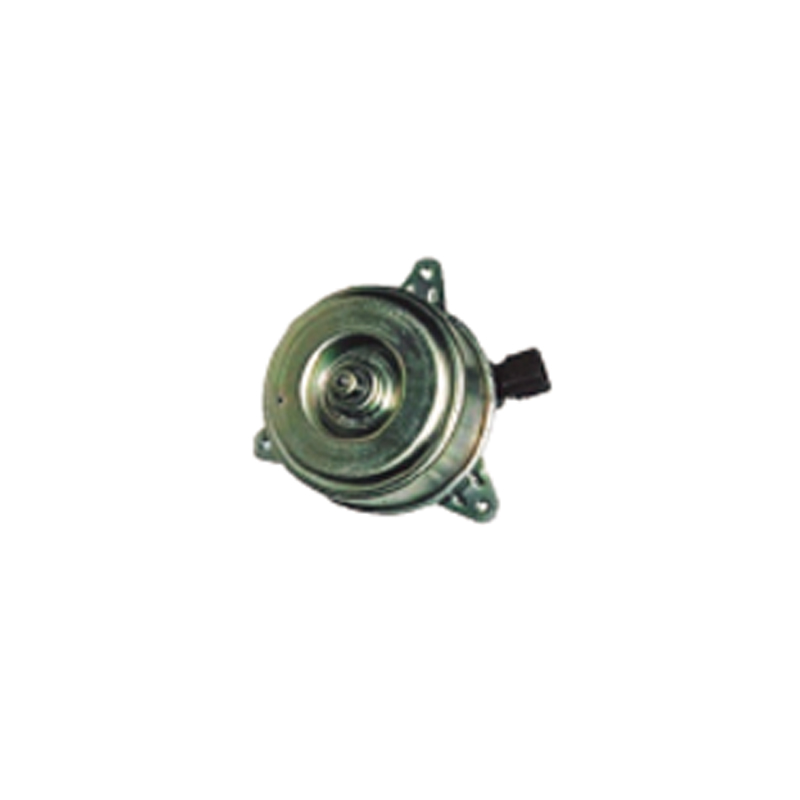
Zhejiang Nicety Electric Machinery Co., Ltd. specializes in the production of four series of products: condenser electronic fan, radiator (water tank) fan, blower, and air conditioner assembly. Professional production American, European, Japanese, Korean And Domestic brand DC automotive axial fans.
Email: [email protected] / [email protected]
Tel: +86-0578-7125439 / +86 181 0658 9231
Address:No. 98, Guangda Street, Jinsha Industrial Zone, Longquan City, Zhejiang Province, China