
 English
 Español
 عربى
عربى русский
Contact Us
Your email address will not be published. Required fields are marked *
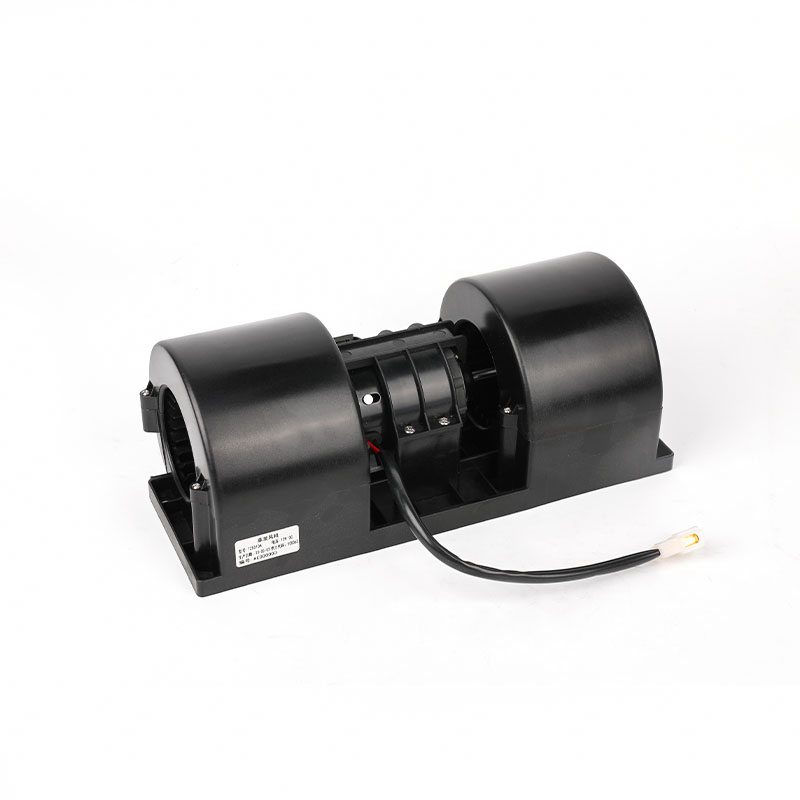
The evaporator fan operates on a simple yet essential principle: moving air across the evaporator coil to facilitate heat transfer. As refrigerant absorbs heat from the surrounding air within the evaporator coil, the fan circulates the cooled air throughout the refrigerated space. This continuous airflow prevents temperature stratification — warm air rising and cold air settling — ensuring uniform conditions throughout the storage volume. A evaporator fan must deliver sufficient air volume (measured in CFM) to match the cooling capacity of the system while overcoming the pressure drop across the evaporator coil and ductwork. The fan's performance directly affects system efficiency: inadequate airflow reduces cooling capacity, while excessive airflow can cause compressor short-cycling and reduced dehumidification. Proper fan selection balances airflow volume, static pressure capability, and energy consumption for optimal system performance.
Evaporator fans are available in two primary configurations, each suited to different system requirements. Axial fans move air parallel to the fan shaft, delivering high airflow volume at relatively low pressure. They are compact, lightweight, and cost-effective — ideal for refrigerators, freezers, and display cases where space is limited and static pressure is low. Centrifugal fans move air perpendicular to the intake direction, generating higher static pressure for systems with ductwork, long air paths, or higher resistance. They are larger and more expensive but provide better airflow control and are used in HVAC systems, large cold storage rooms, and industrial refrigeration. The choice between configurations should consider system pressure drop, available space, airflow requirements, and noise constraints.
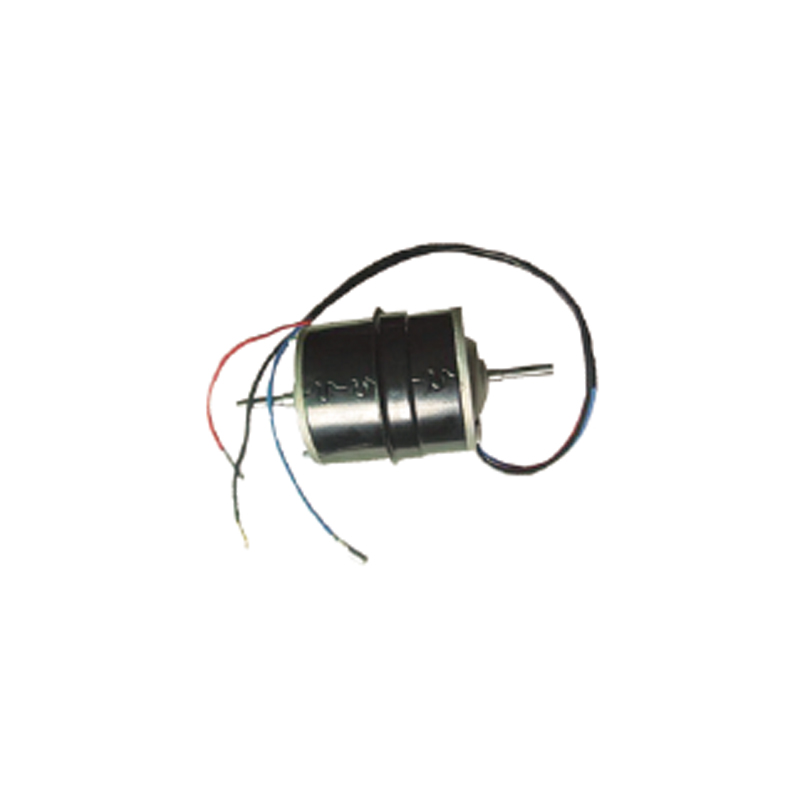
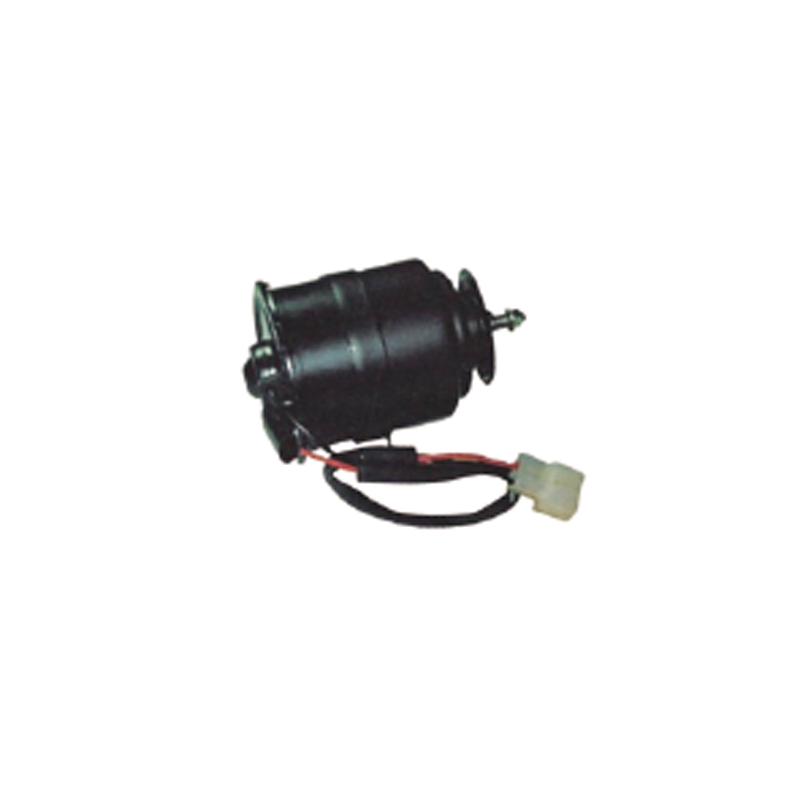
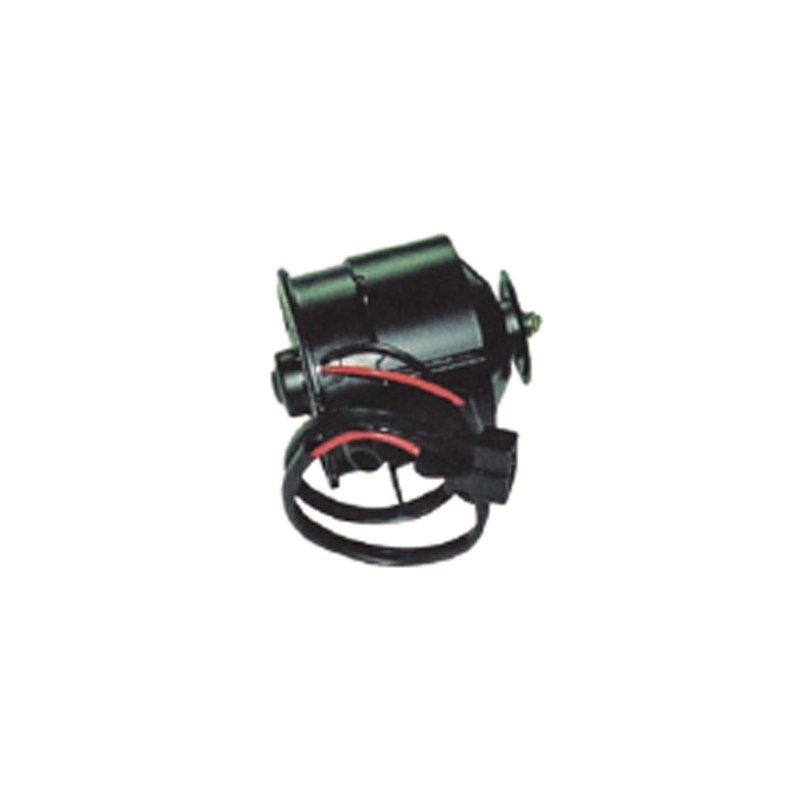
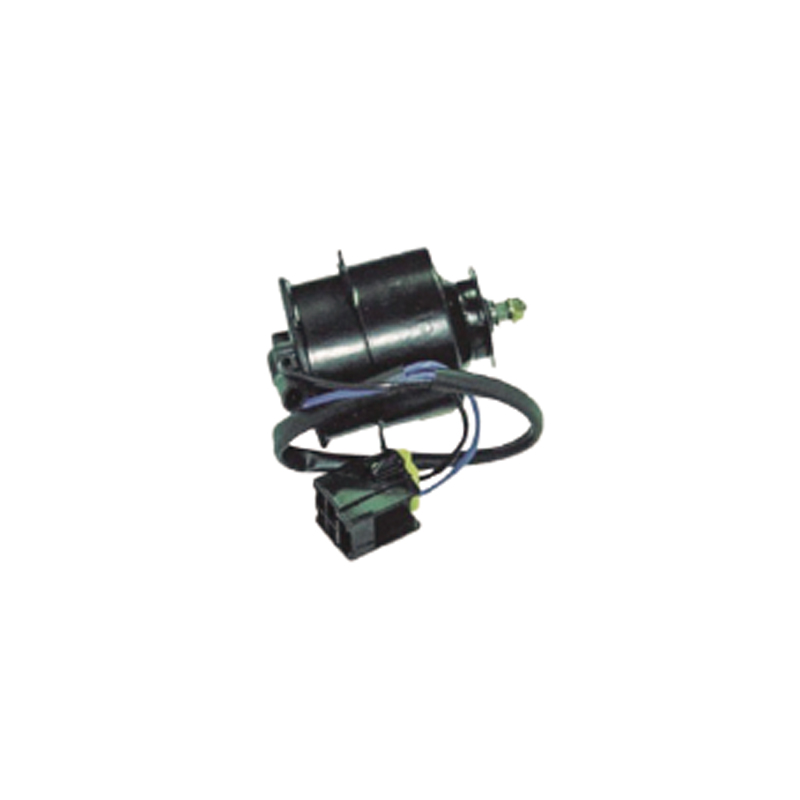
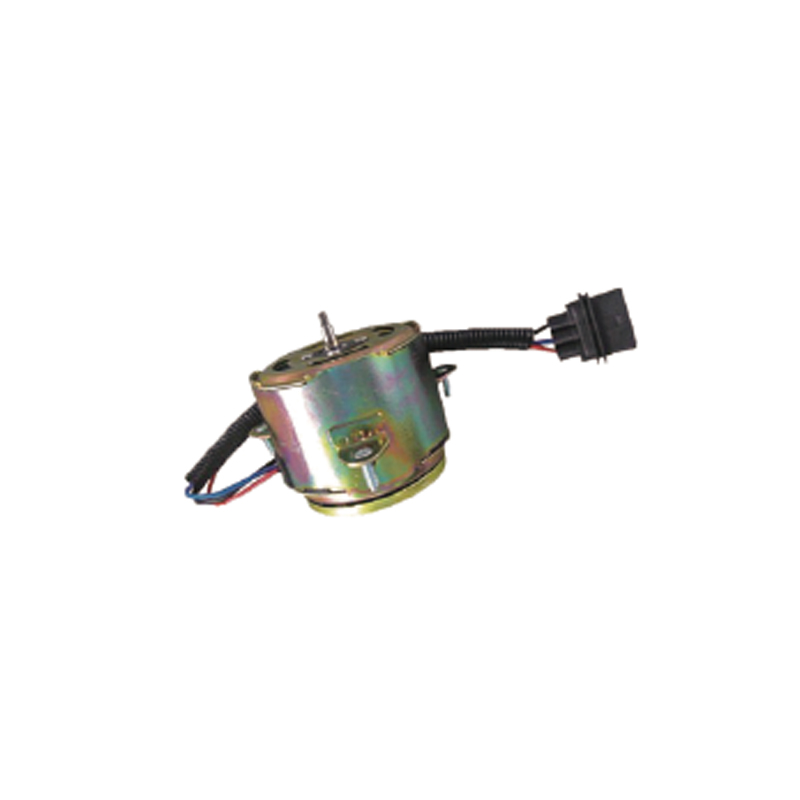
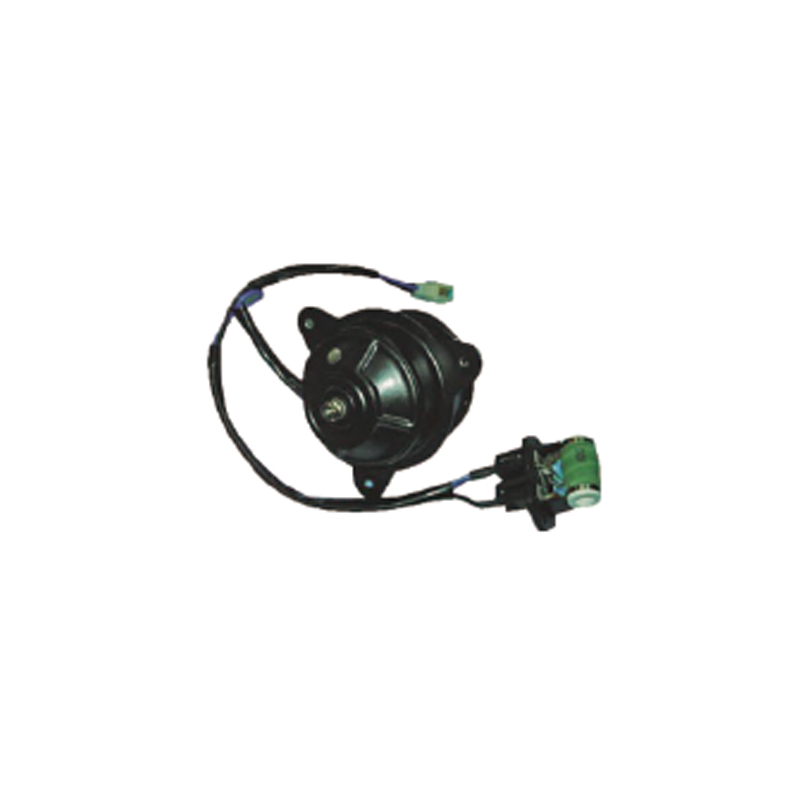
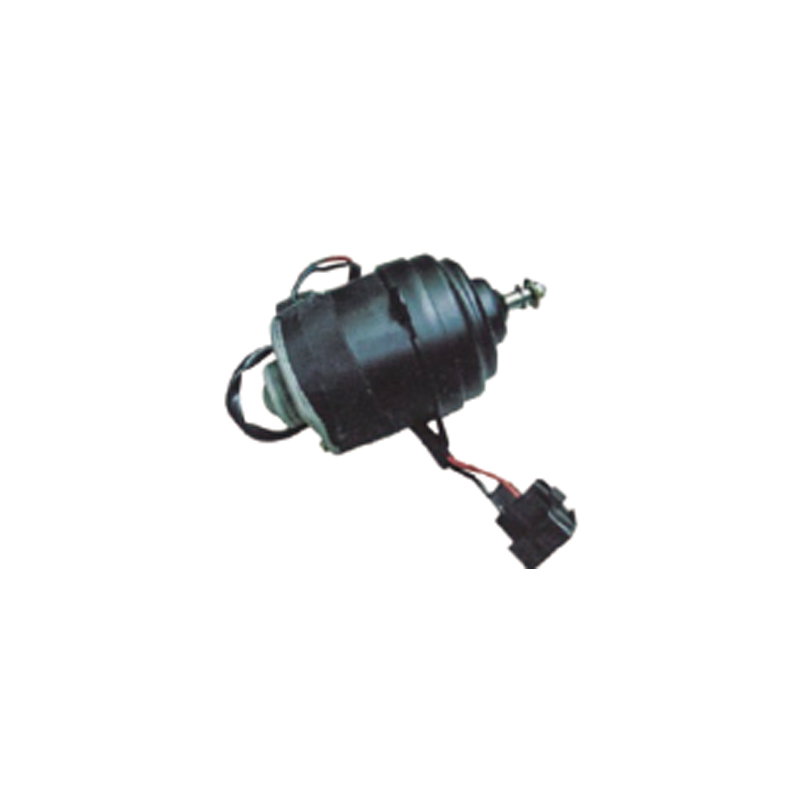
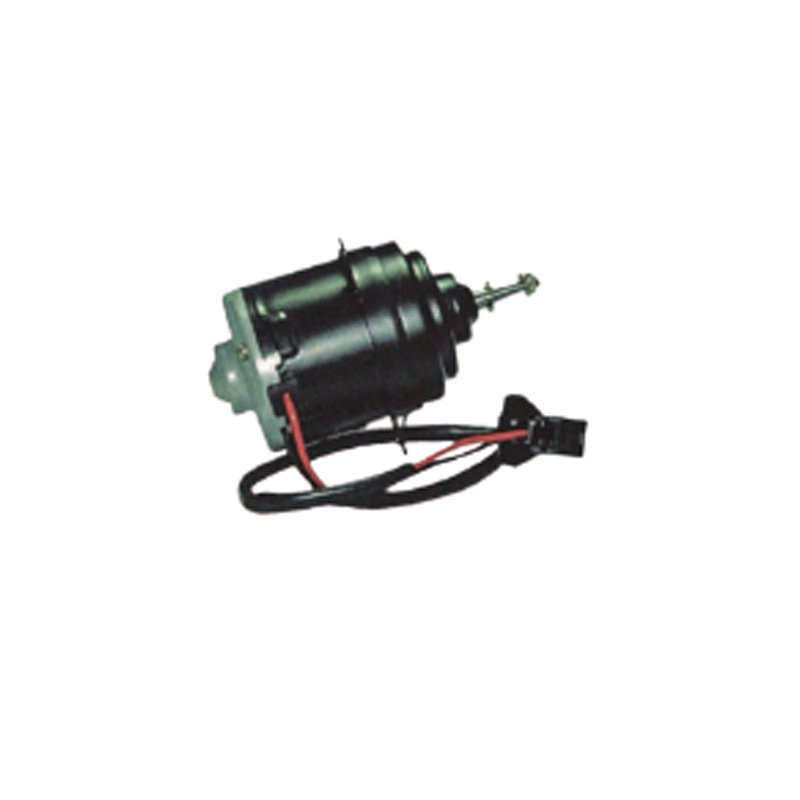
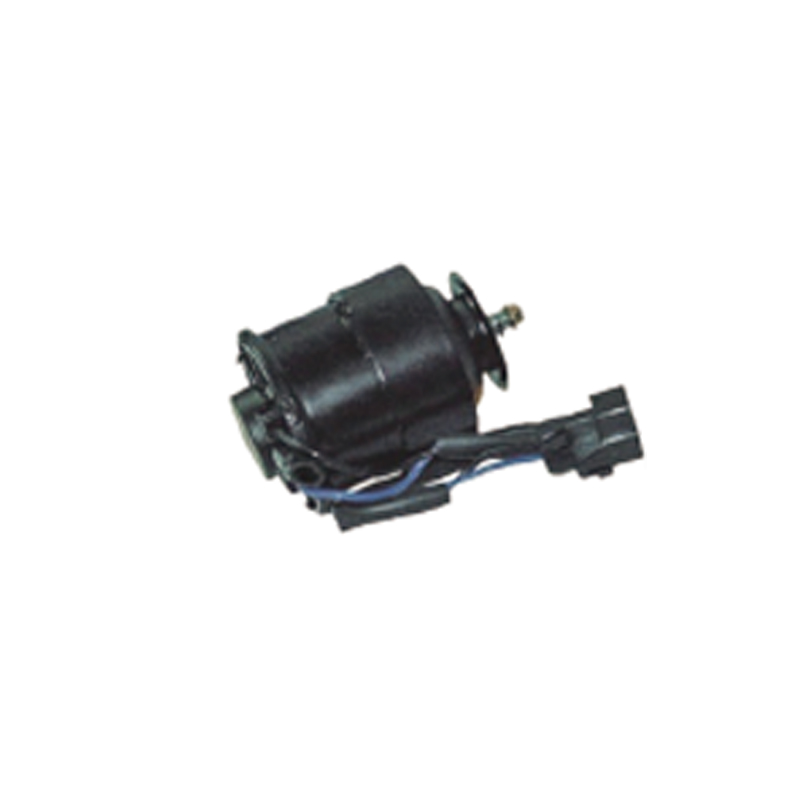
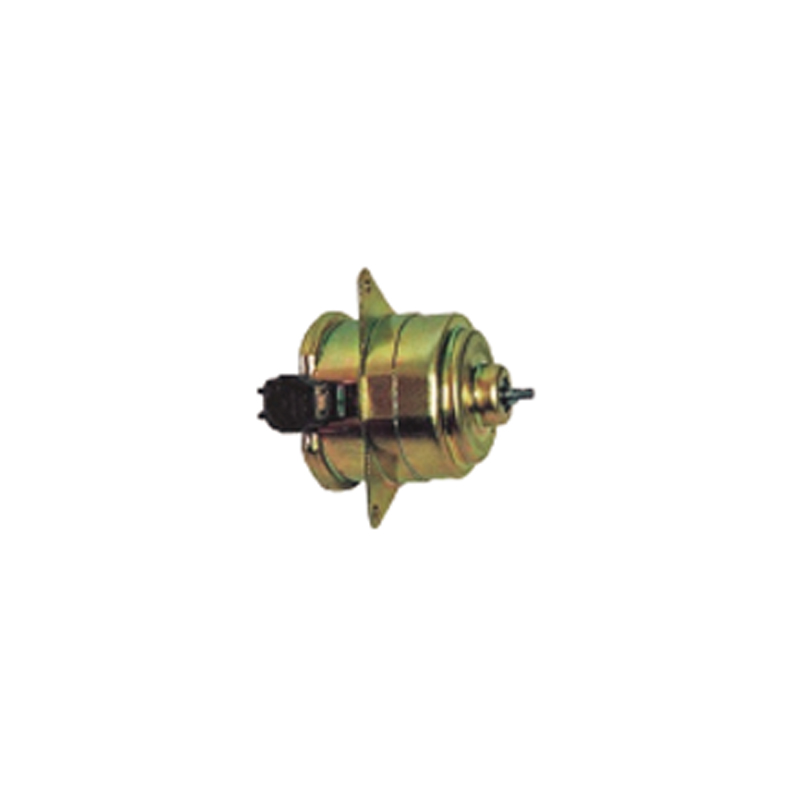
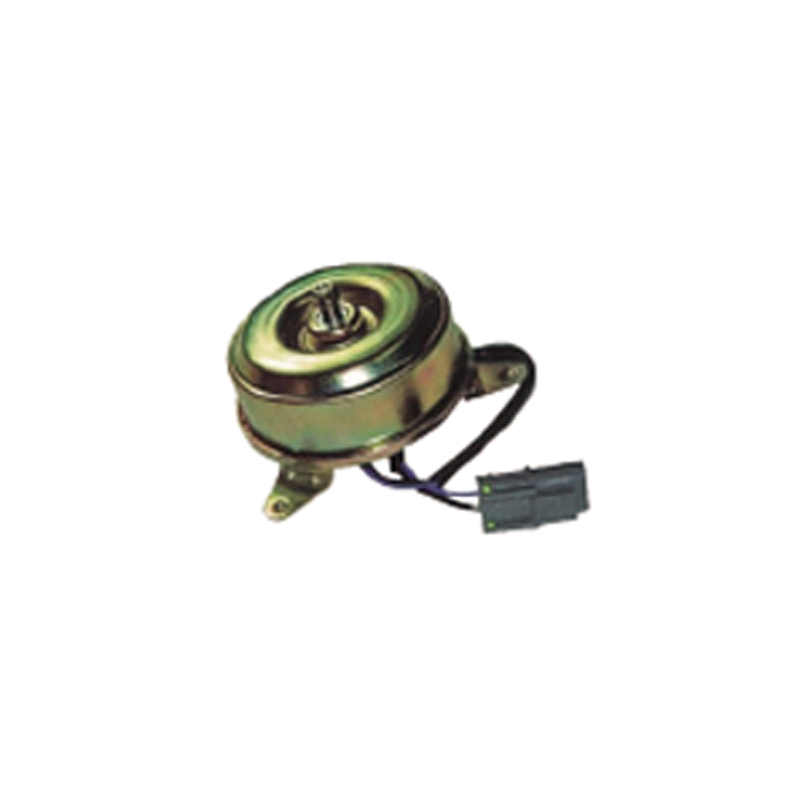
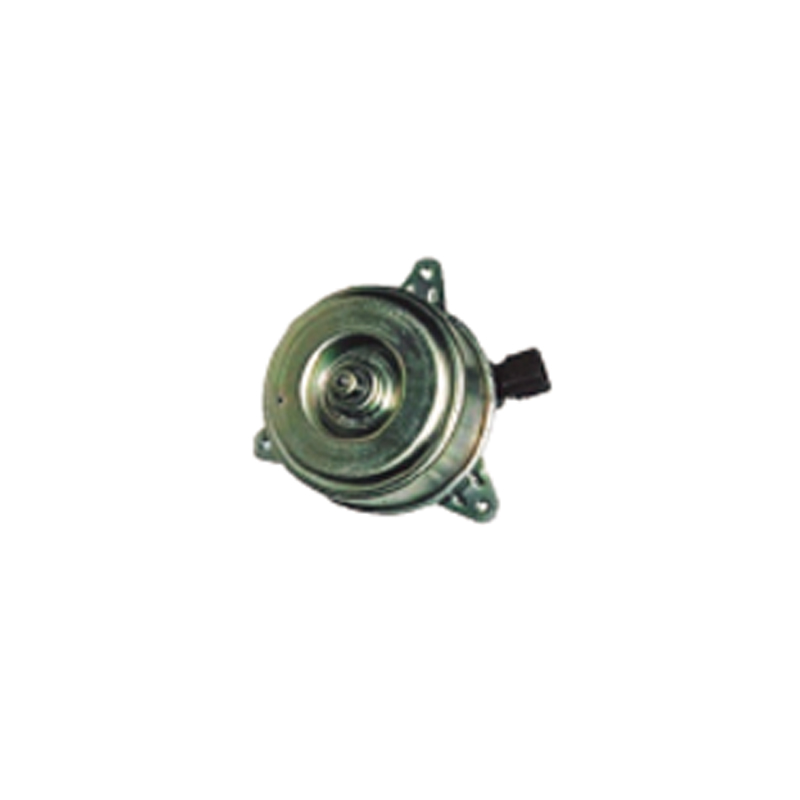
Evaporator fans are powered by different motor technologies, each with distinct performance characteristics. AC motors are the traditional choice — simple, reliable, and cost-effective for continuous operation. They are available in shaded-pole, permanent split capacitor, and split-phase configurations, each with different efficiency and starting torque characteristics. DC motors, particularly brushless DC (BLDC) motors, offer significantly higher efficiency (70–85% vs 30–50% for AC shaded-pole) and variable speed control capability. BLDC motors reduce energy consumption by 30–60% compared to equivalent AC motors, making them increasingly popular in energy-conscious refrigeration equipment. DC fans also operate with lower noise levels and longer service life due to the absence of brushes. The choice between AC and DC should consider energy costs, control requirements, and initial investment.
Selecting the right evaporator fan requires understanding several key performance specifications. Airflow capacity, measured in cubic feet per minute (CFM), must match the system's cooling load and air distribution requirements — typical ranges are 100–5000 CFM depending on application. Static pressure capability determines the fan's ability to overcome resistance from the evaporator coil, ductwork, and filters; axial fans typically deliver 0.1–0.5 inches of water column, while centrifugal fans can achieve 0.5–2.0+ inches. Operating temperature range must accommodate the application environment — evaporator fans in freezers operate at -40°C to -10°C, requiring cold-resistant materials and lubricants. Noise level, measured in dBA, affects user comfort and equipment placement; quieter fans are preferred for customer-facing applications. Bearing type — sleeve (lower cost, shorter life) or ball (higher cost, longer life) — affects durability and service intervals.
Regular maintenance ensures evaporator fans operate efficiently and reliably over their service life. Fan blades should be inspected and cleaned periodically — dust and debris accumulation reduces airflow and unbalances the fan, causing vibration and premature bearing wear. Motor bearings require attention; sleeve bearings typically last 2–5 years, while ball bearings can last 5–10 years under normal operation. Lubrication intervals vary by design — sealed bearings are maintenance-free; others require periodic lubrication. Electrical connections should be inspected for signs of overheating or corrosion. In cold storage applications, check for ice buildup on blades, which can cause imbalance and reduced airflow. Vibration monitoring can detect developing issues before failure. Replacing a fan at the first sign of reduced performance — increased noise, vibration, or reduced airflow — prevents secondary damage to the refrigeration system. With proper maintenance, an evaporator fan can operate reliably for 5–15 years depending on the application conditions.
Your email address will not be published. Required fields are marked *

Zhejiang Nicety Electric Machinery Co., Ltd. specializes in the production of four series of products: condenser electronic fan, radiator (water tank) fan, blower, and air conditioner assembly. Professional production American, European, Japanese, Korean And Domestic brand DC automotive axial fans.
Email: [email protected] / [email protected]
Tel: +86-0578-7125439 / +86 181 0658 9231
Address:No. 98, Guangda Street, Jinsha Industrial Zone, Longquan City, Zhejiang Province, China