
 English
 Español
 عربى
عربى русский
Contact Us
Your email address will not be published. Required fields are marked *
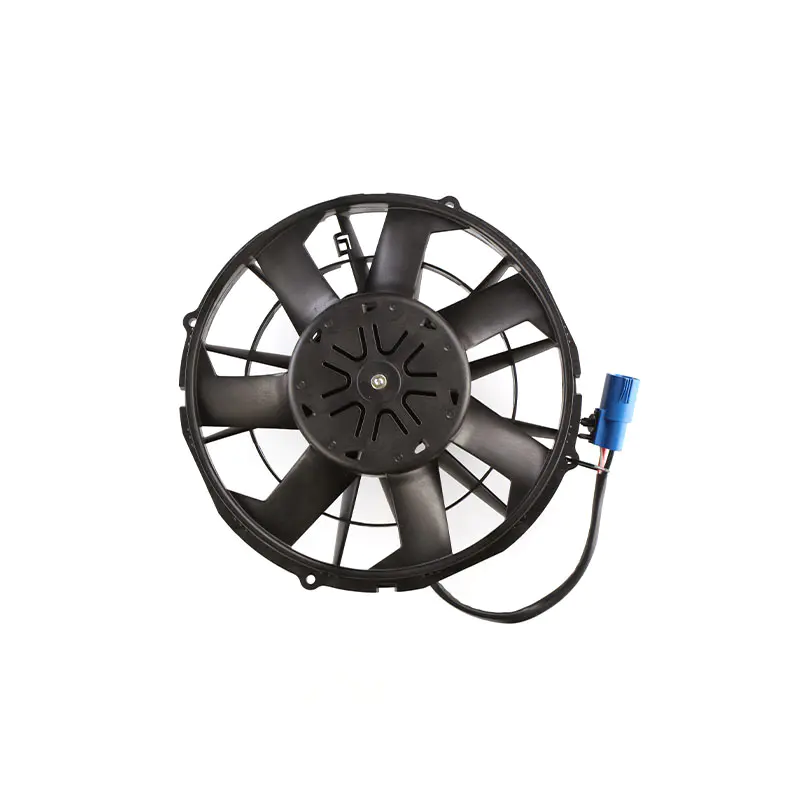
A DC brushless centrifugal fan pairs an electronically commutated motor with a centrifugal impeller to move air efficiently through tight, resistance-heavy enclosures, which is exactly why it has become the default cooling choice for electronics cabinets, medical devices, and automation equipment. Picking the right model means matching airflow volume, static pressure, and noise level to the thermal load the fan actually has to clear.
Typical Hours Rated Lifespan
Speed Control Standard
Brush Wear Components
A DC brushless centrifugal fan is an airflow device that uses a brushless DC motor to spin a centrifugal impeller, generating airflow through centrifugal force rather than the axial push of a propeller fan. Electrical power feeds an electronic control board that commutates the motor without physical brushes, driving the impeller to accelerate air outward through the housing outlet. Core components include the brushless motor, impeller, fan housing, control board, bearing system, and the inlet and outlet structure that shapes airflow direction.
Because there is no carbon brush to wear down, a DC brushless centrifugal fan holds a longer service life and more precise speed control than a traditional brushed or AC fan, which is why it dominates applications where downtime for fan replacement is costly.
Field note: fans specified below the enclosure's actual static pressure requirement are the single most common cause of premature overheating in cabinet-cooled electronics.
Industrial automation cabinets and machine control systems use brushless centrifugal fans to prevent overheating during continuous operation, while electronics and power supply enclosures depend on them for efficient heat dissipation in tightly packed spaces. Medical imaging equipment and laboratory instruments require the same stable, low-noise airflow, since audible fan noise and vibration both affect device usability in clinical settings.
Telecom cabinets and network equipment rely on continuous thermal management to hold stable performance under constant load, and energy storage or power conversion systems use brushless fans to keep battery and electronics temperatures safe during high-load operation.
| Feature | DC Brushless Centrifugal Fan | Traditional AC Fan |
| Speed control | Precise, PWM-adjustable | Fixed-speed, limited control |
| Service life | Longer, no brush wear | Shorter due to mechanical wear |
| Energy use | Lower power consumption | Generally higher energy usage |
| Maintenance | Low | More frequent in many applications |
Start with the cooling environment: required airflow volume, static pressure against the enclosure's actual resistance, available space, and noise tolerance all narrow the field before comparing individual models.
Check motor efficiency, bearing type, and protection features, then confirm the supplier's manufacturing experience, testing facilities, and OEM customization capability for voltage, connector, and housing requirements specific to your equipment.
A DC brushless centrifugal fan earns its place in demanding thermal management applications through efficiency, long service life, and precise control that brushed and AC alternatives cannot match. Getting the airflow and static pressure specification right against the actual enclosure resistance is what separates reliable cooling from repeat equipment failures.
Your email address will not be published. Required fields are marked *

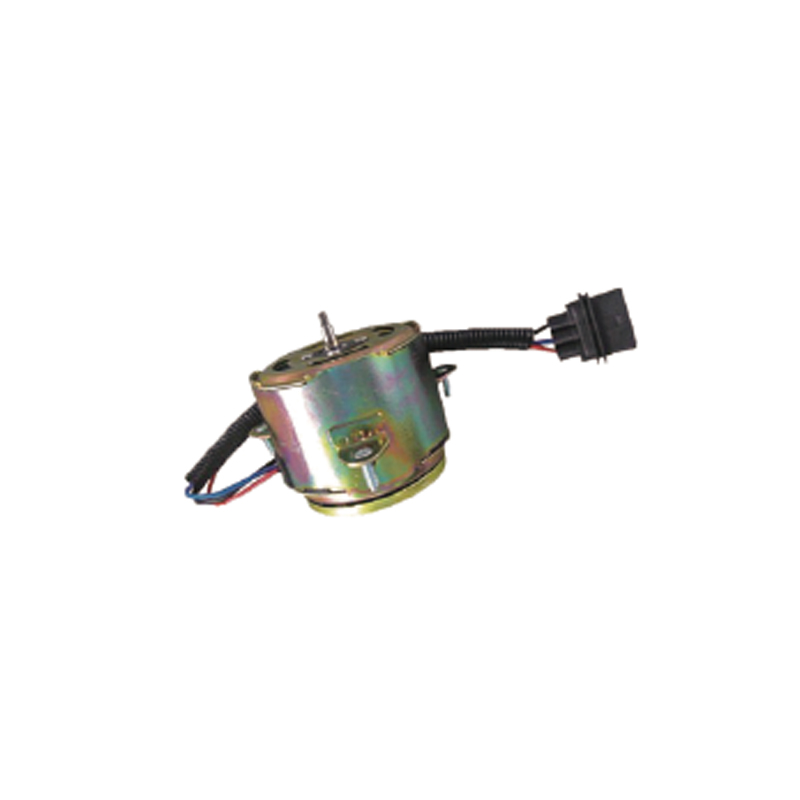
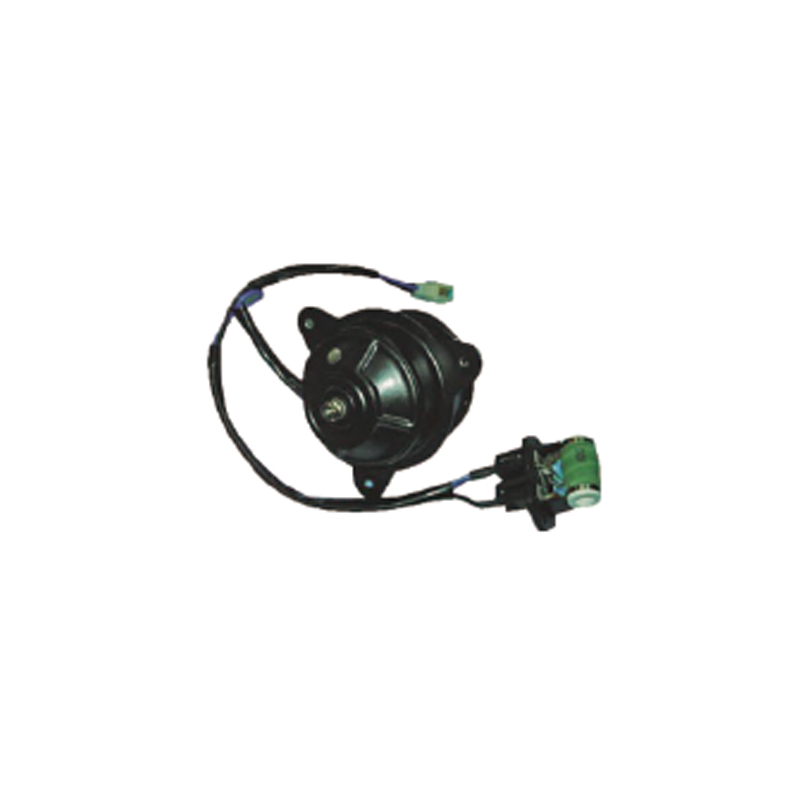
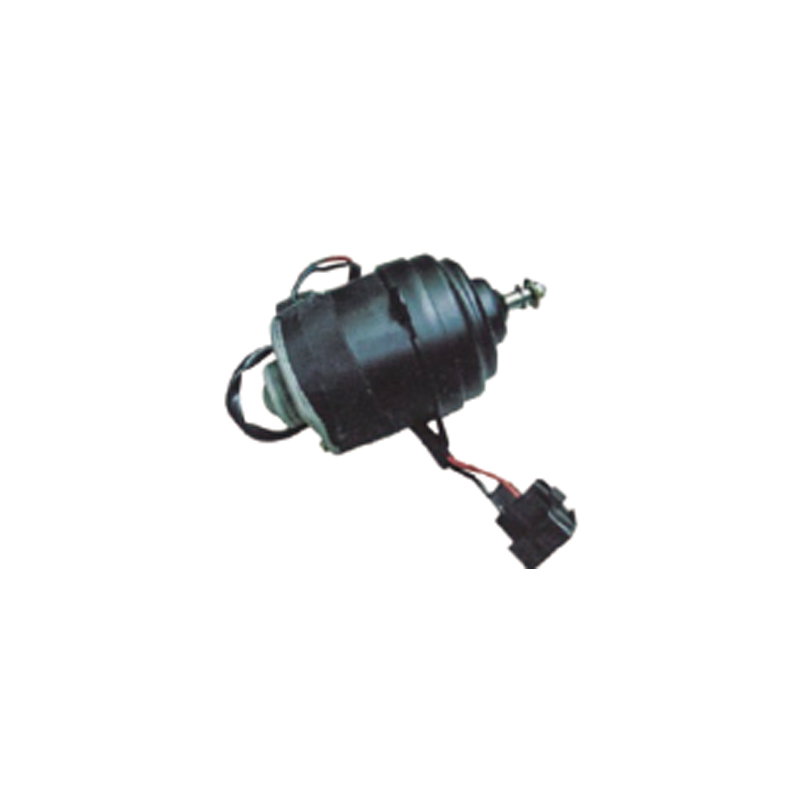
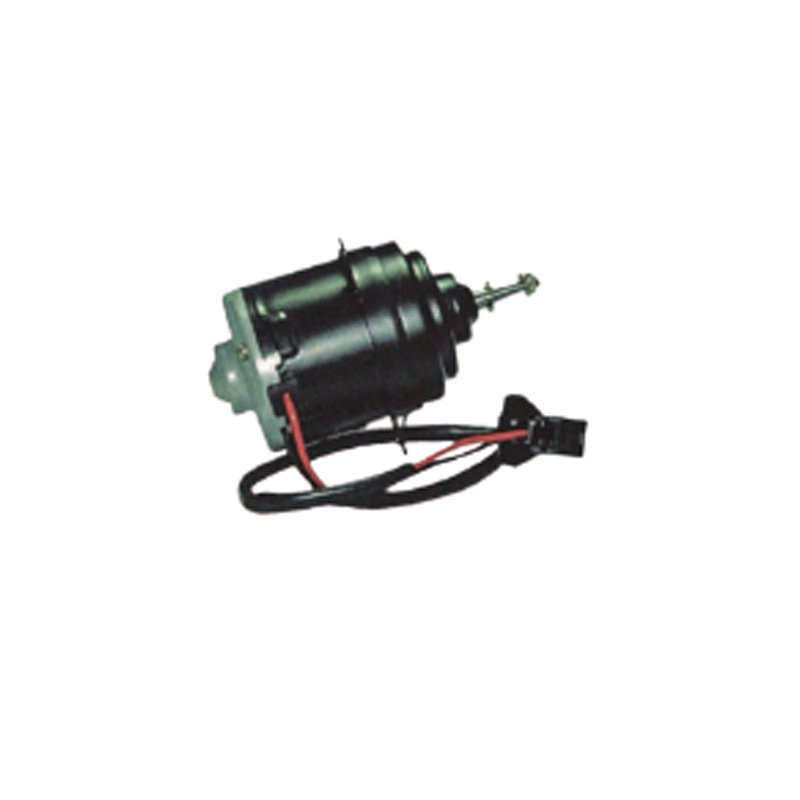
Zhejiang Nicety Electric Machinery Co., Ltd. specializes in the production of four series of products: condenser electronic fan, radiator (water tank) fan, blower, and air conditioner assembly. Professional production American, European, Japanese, Korean And Domestic brand DC automotive axial fans.
Email: [email protected] / [email protected]
Tel: +86-0578-7125439 / +86 181 0658 9231
Address:No. 98, Guangda Street, Jinsha Industrial Zone, Longquan City, Zhejiang Province, China