
 English
 Español
 عربى
عربى русский
Contact Us
Your email address will not be published. Required fields are marked *
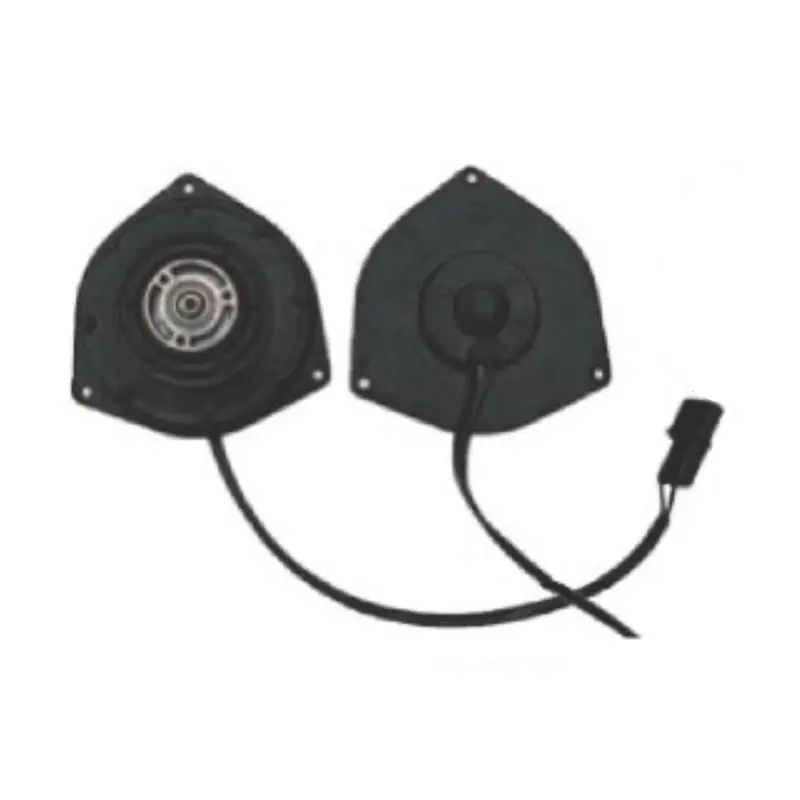
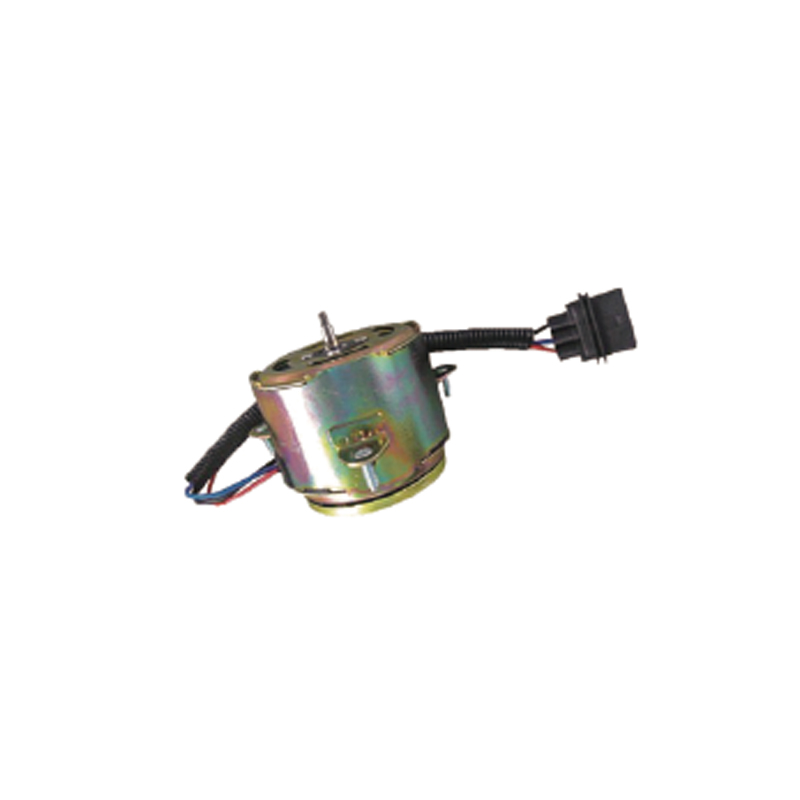
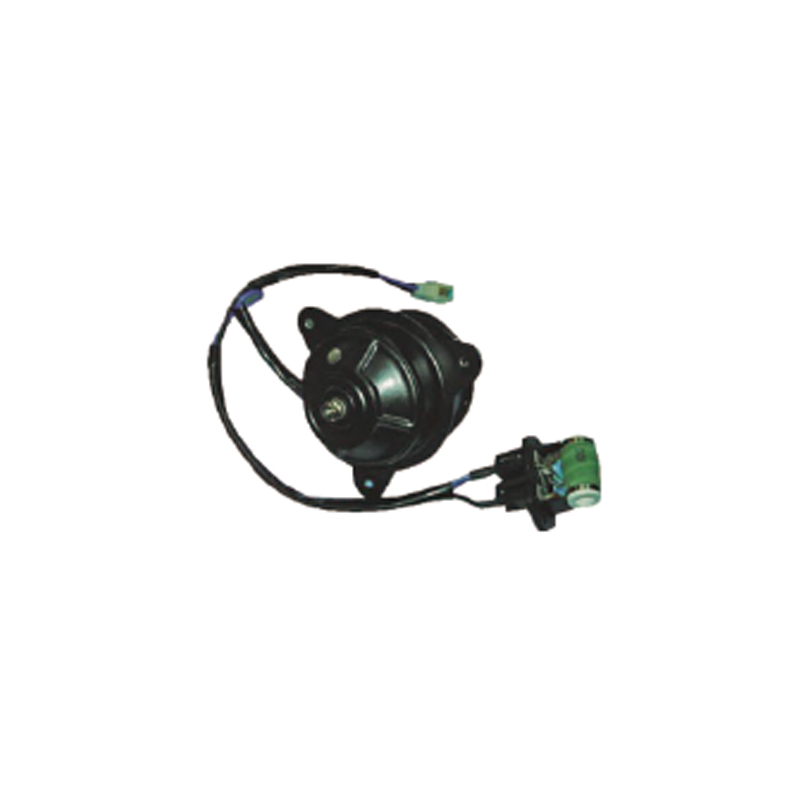
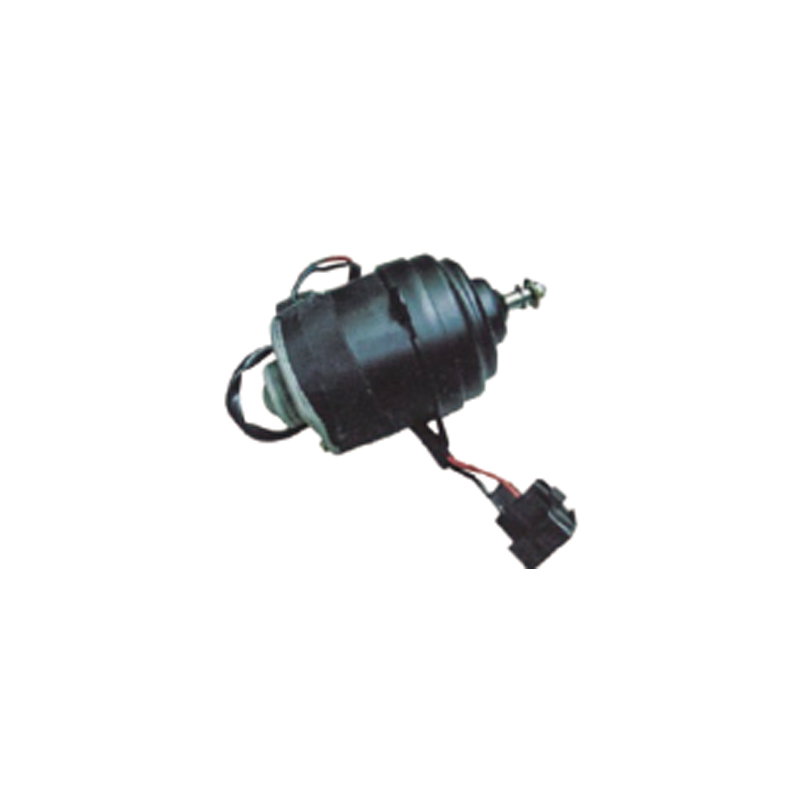
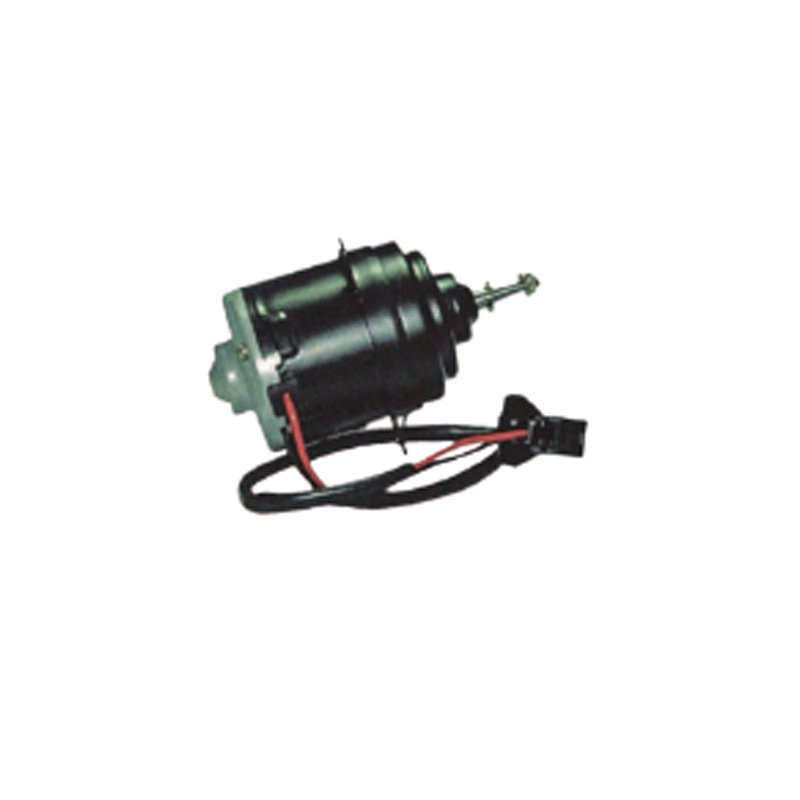
DC axial fans prevent overheating by forcing high-velocity airflow across heat exchangers (radiators, condensers, intercoolers). In stop-and-go traffic, low-speed EV operation, or heavy towing, the ram air effect disappears—without DC axial fans, coolant temperatures can exceed 120°C (248°F) within minutes, which can cause gasket failure, reduce lubrication life, and trigger electric motor derating. Automotive OEM data indicates that properly sized DC axial fans reduce radiator surface temperatures by 35–50°C compared to passive cooling alone.
At speeds below 40 km/h (25 mph), natural airflow through the grille is insufficient for heat rejection. Electric water pumps and cooling modules rely on pressure differentials; a DC axial fan creates the necessary static pressure (typically 80–250 Pa) to pull air through dense fin arrays. Without it, heat soak elevates component temperatures beyond design limits, triggering ECU derate or shutdown.
Key thermal thresholds: Exceeding 105°C for modern engine coolants accelerates oxidation; lithium-ion EV battery packs require active cooling to stay below 45°C during fast charging. DC axial fans provide the convective heat transfer coefficient (often 40–80 W/m²·K) needed to maintain these limits.
Unlike centrifugal blowers, DC axial fans move air parallel to the motor shaft. Their blade geometry (pitch, camber, tip clearance) determines volumetric flow rate (CFM) versus static pressure. Typical 12V DC automotive axial fans for engine cooling range from 800 to 2,500 CFM at 0.5–1.2 A current draw. Pulse-width modulation (PWM) allows variable speed control, reducing noise and power consumption by 30–60% during partial load.
For a 300 mm diameter fan at 2,500 RPM, axial designs achieve 55–65% static efficiency, compared to 35–45% for non-optimized blowers. This translates to 150–200 watts of air-moving power with only 40–70 watts electrical input (motor efficiency ≤70%). The result: rapid heat extraction from radiator cores (reducing coolant delta-T by 8–12°C) without overloading the alternator.
In hybrid and electric vehicles, power electronics (IGBTs, MOSFETs) generate localized heat fluxes up to 300 W/cm². DC axial fans integrated into the cooling pack reduce junction temperatures from 130°C down to 95°C, extending semiconductor lifetime by 4–5× per Arrhenius model. For internal combustion engines, a 10°C reduction in cylinder head temperature lowers knock probability by 35–40% at high load.
Selecting a DC axial fan solely by diameter ignores critical factors. The table below summarizes four decisive parameters and their impact on thermal performance:
Critical data point: A fan losing 30% of its rated CFM due to poor material or undersized motor raises radiator exit air temperature by 12°C — directly increasing coolant return temperature and accelerating overheating.
Dual-fan configurations (push-pull) mounted on a common shroud reduce hot spots. For a 600 mm × 400 mm radiator, two 280 mm axial fans in pull arrangement with 15 mm blade-to-core clearance achieve 2,200 CFM at 140 Pa static pressure. Using a PWM controller with a thermistor feedback loop (85°C trigger, 60% duty at 75°C) cuts average power draw from 80W to 32W while maintaining core temperature below 92°C in WLTP driving cycles.
Preventive maintenance insight: Axial fan current monitoring detects bearing wear: an increase of 0.3–0.5A at rated voltage indicates lubricant degradation. Replacing fans before current exceeds nameplate by 20% avoids silent overheating failures in summer towing or mountain driving.
Your email address will not be published. Required fields are marked *

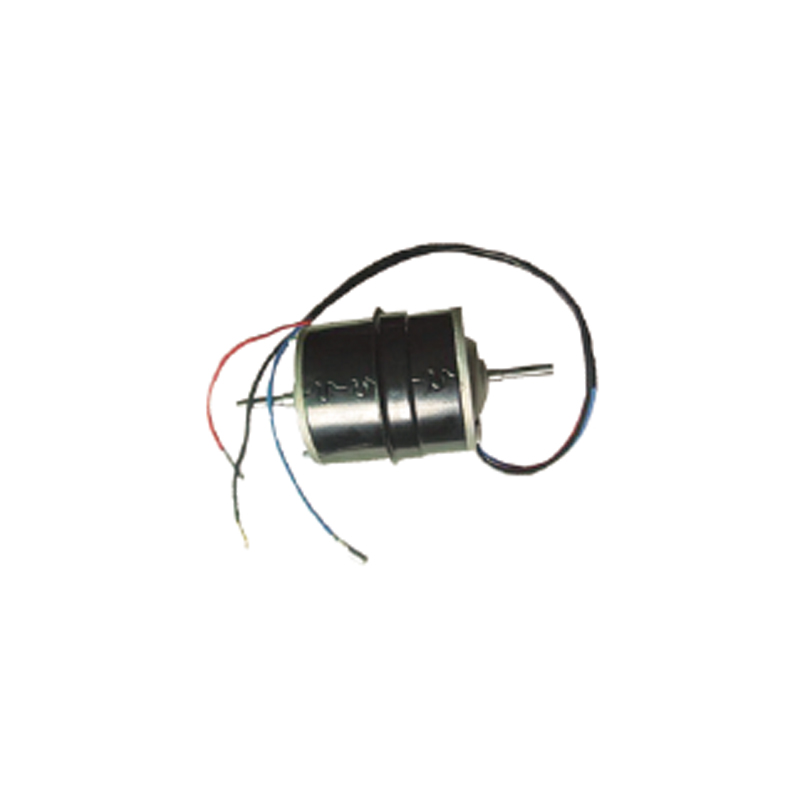
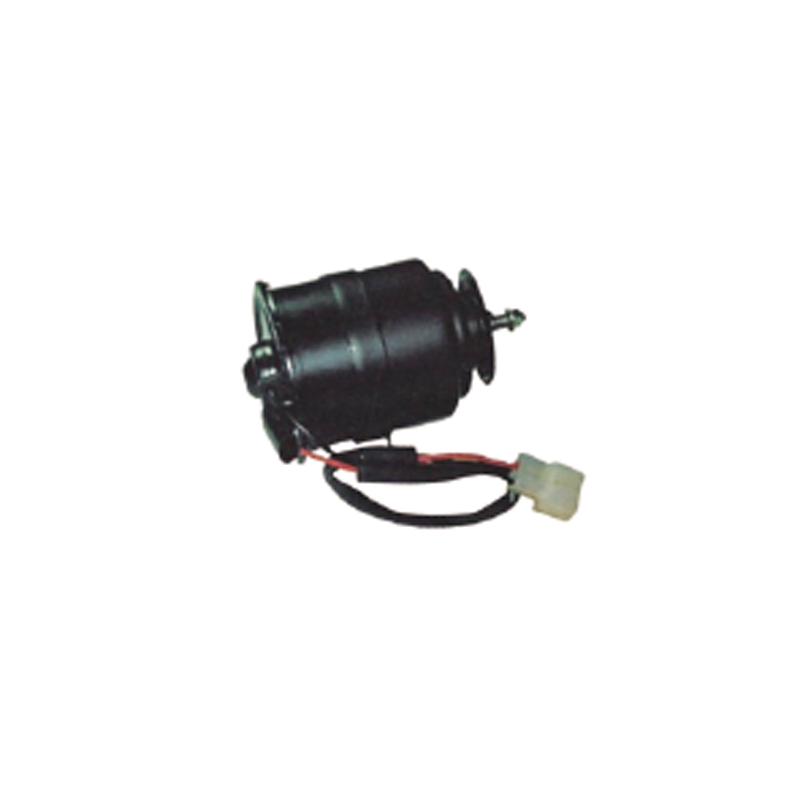
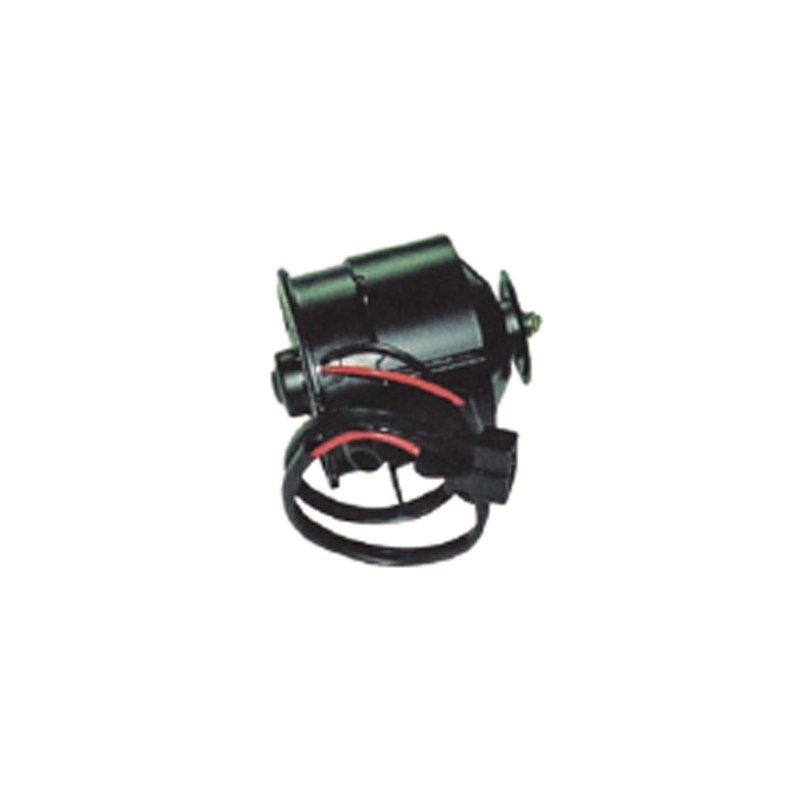
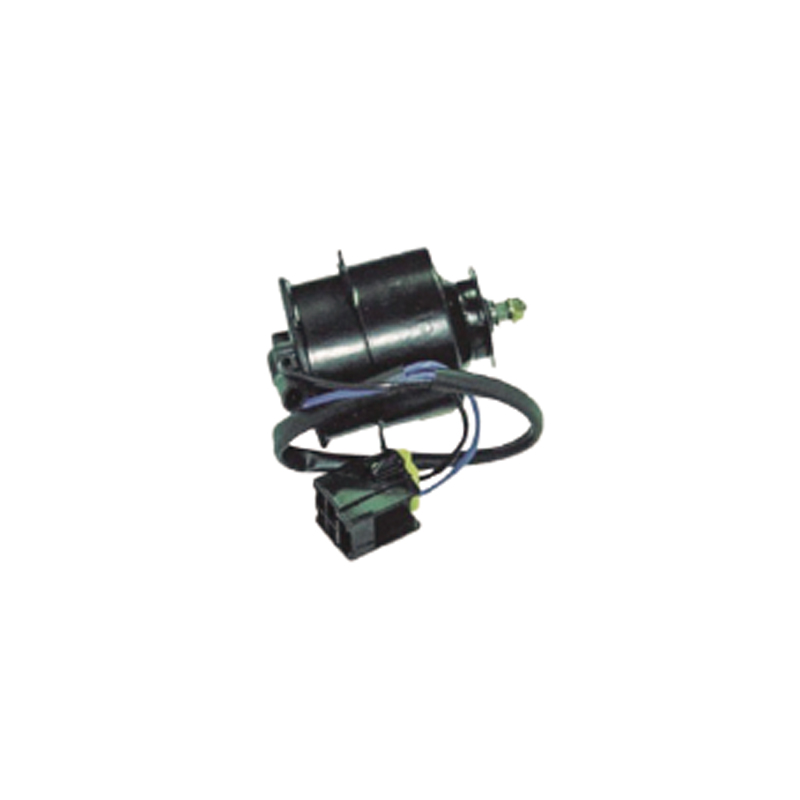
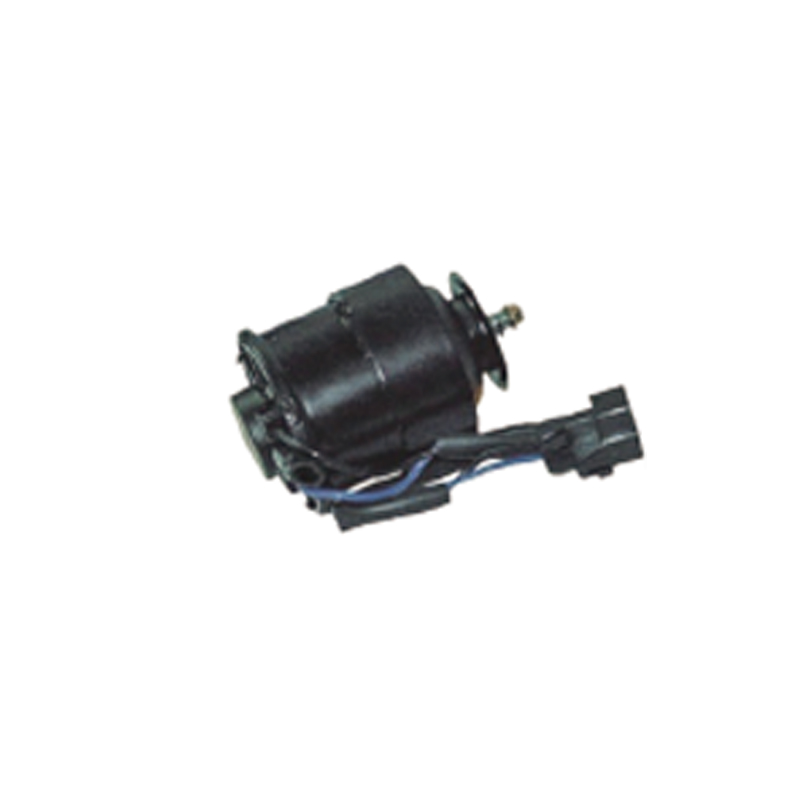
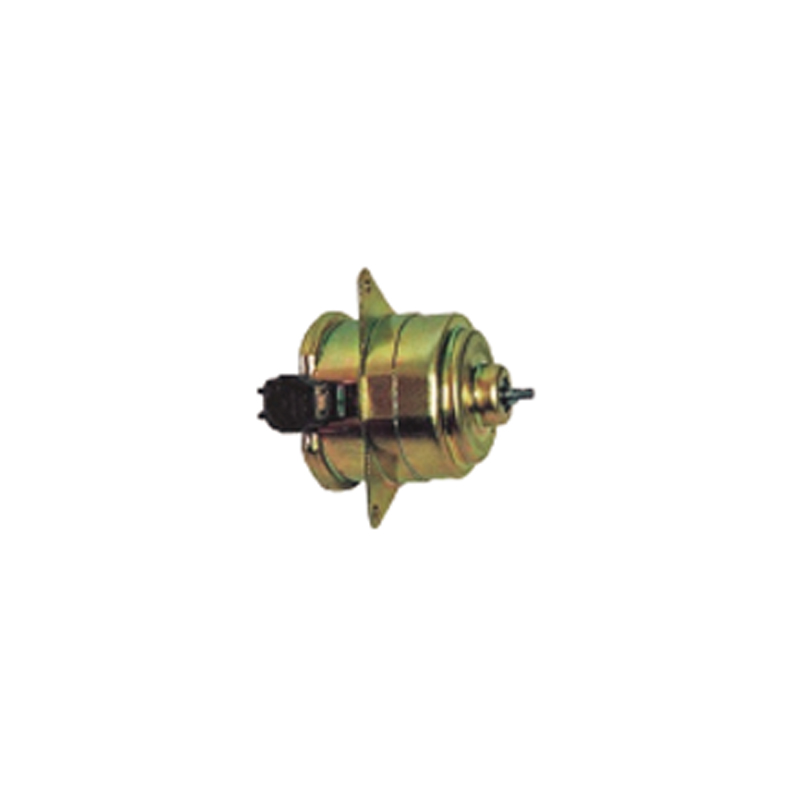
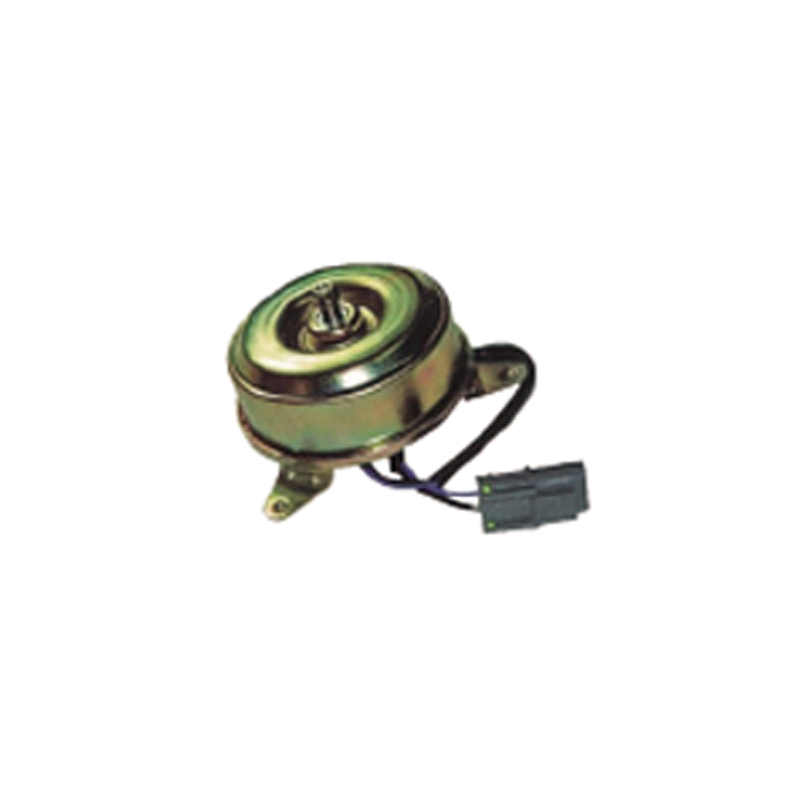
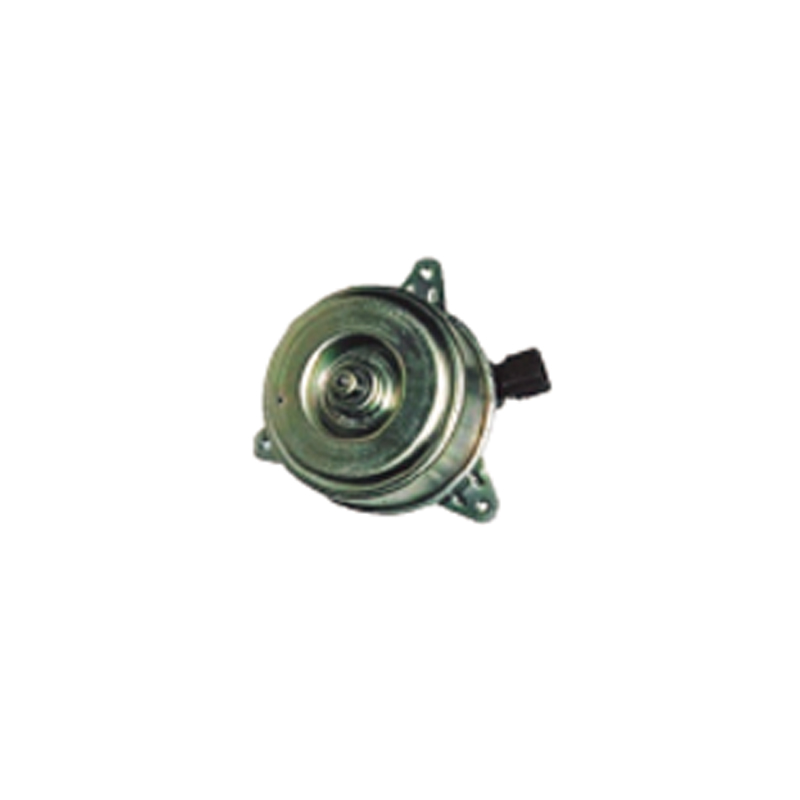
Zhejiang Nicety Electric Machinery Co., Ltd. specializes in the production of four series of products: condenser electronic fan, radiator (water tank) fan, blower, and air conditioner assembly. Professional production American, European, Japanese, Korean And Domestic brand DC automotive axial fans.
Email: [email protected] / [email protected]
Tel: +86-0578-7125439 / +86 181 0658 9231
Address:No. 98, Guangda Street, Jinsha Industrial Zone, Longquan City, Zhejiang Province, China