
 English
 Español
 عربى
عربى русский
Contact Us
Your email address will not be published. Required fields are marked *
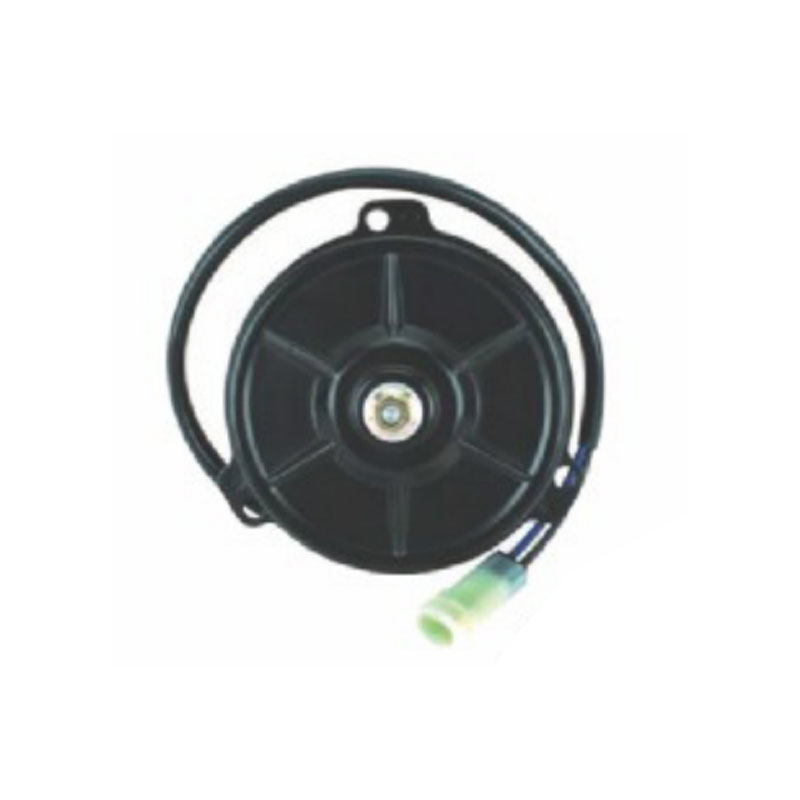
Direct answer / core conclusion: For automotive OEMs and high-end thermal systems, modern DC cooling fan motors — particularly sensorless BLDC (Brushless DC) architectures — achieve up to 80% peak efficiency (vs. 30–45% for conventional brushed motors) and operational lifetimes beyond 50,000~70,000 hours. They deliver PWM-controllable airflow, negligible electromagnetic interference with proper shielding, and IP ratings up to IP68, making them non-negotiable for EV battery packs, ECU cooling, and high-power drivetrain components. The following sections break down structure, function, enabling technologies, and actionable selection metrics.
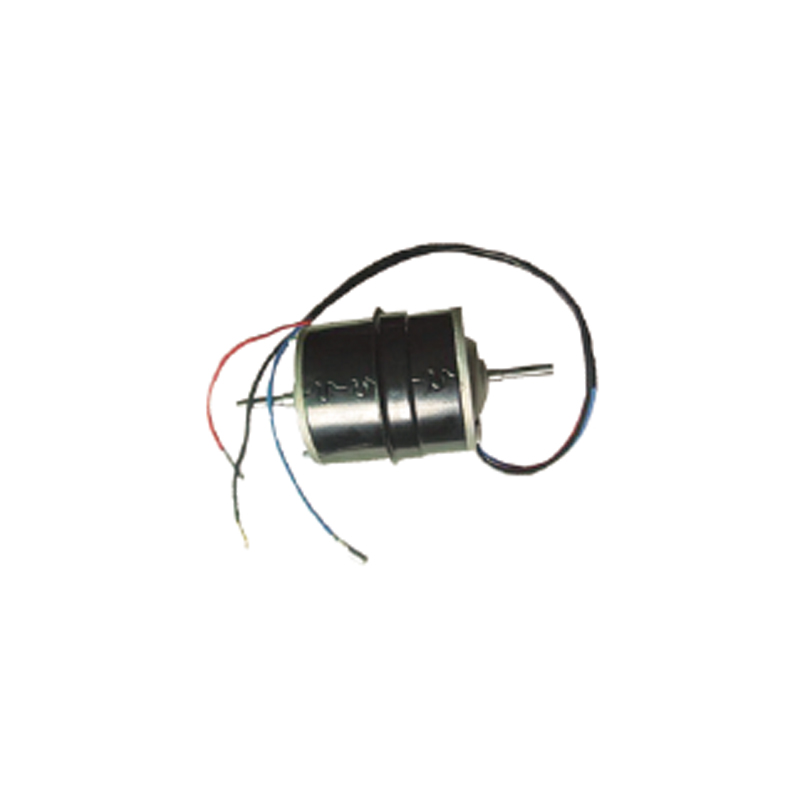
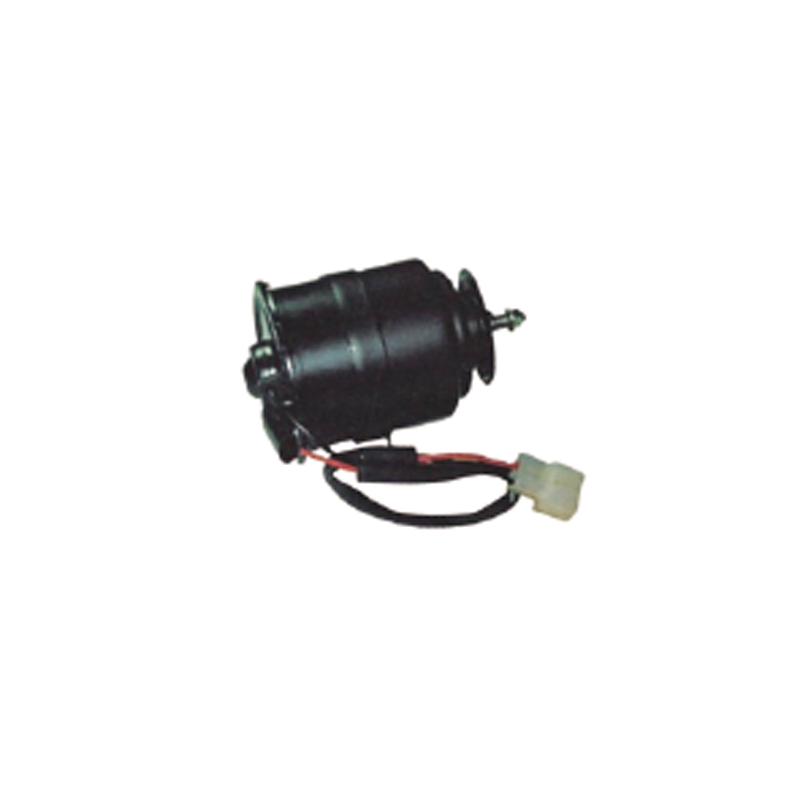
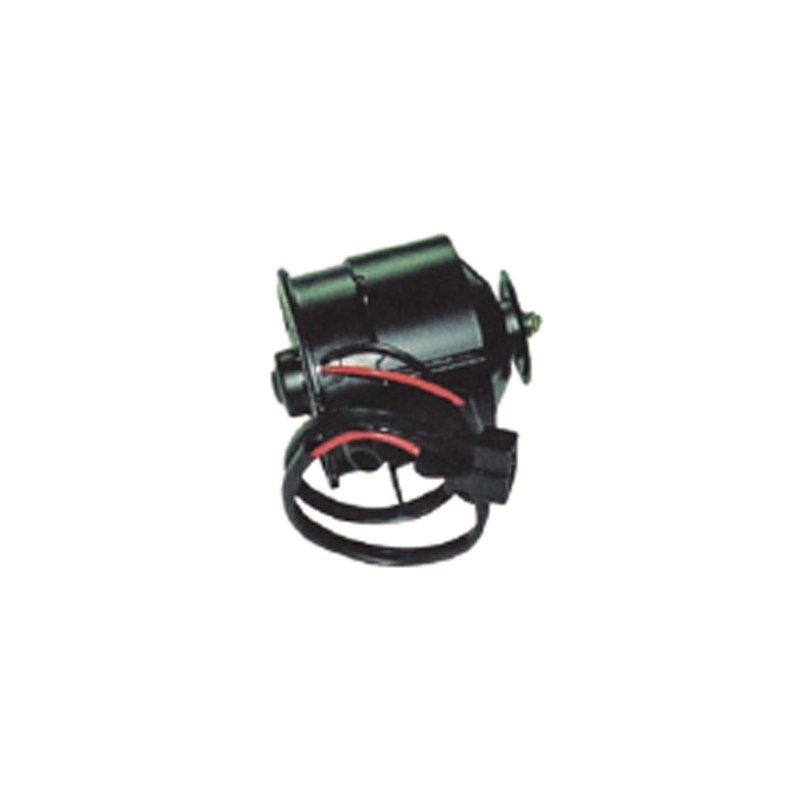
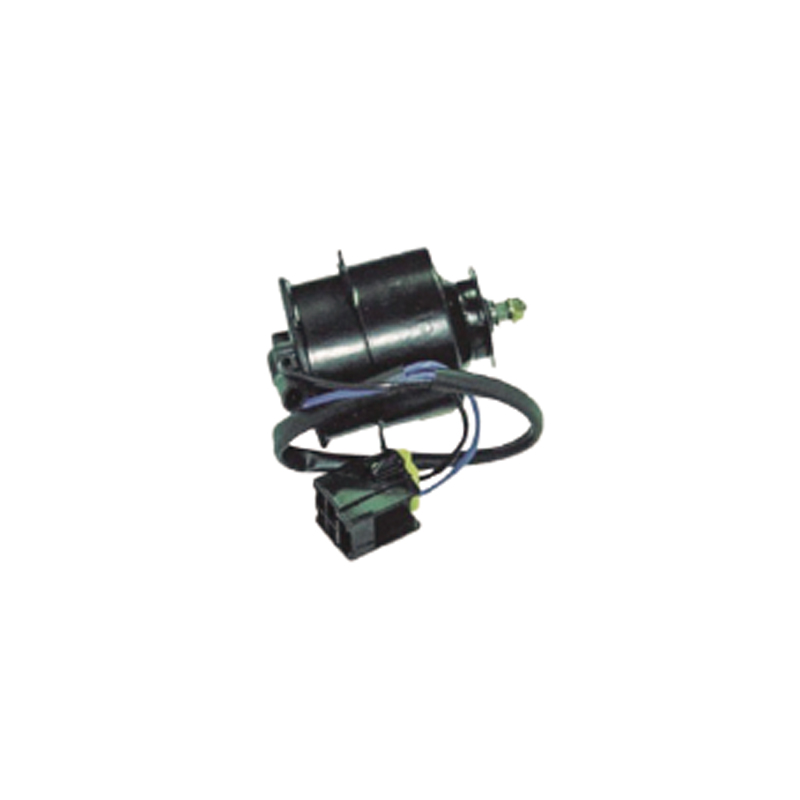
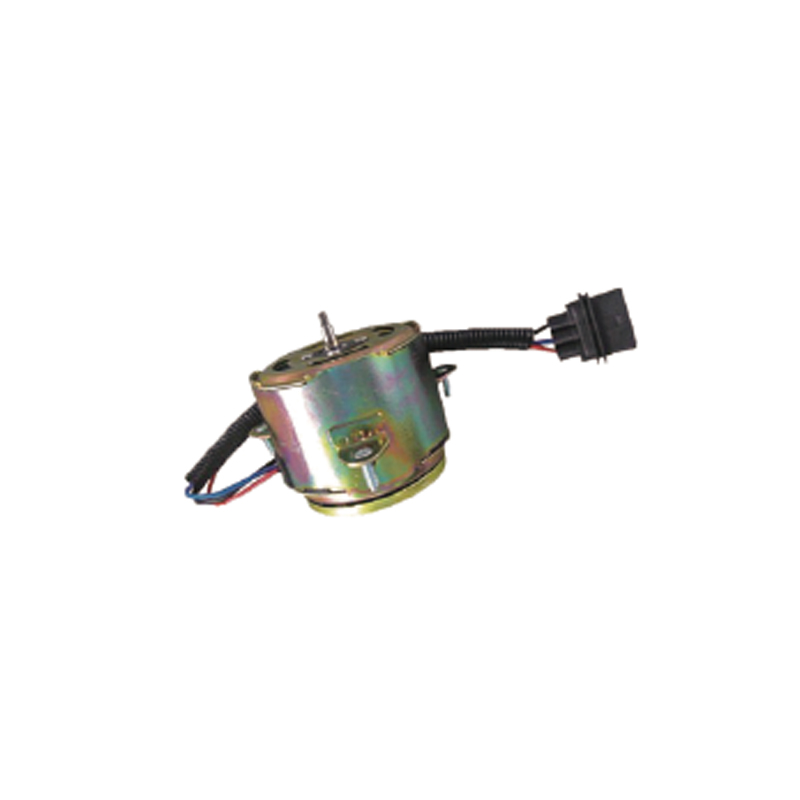
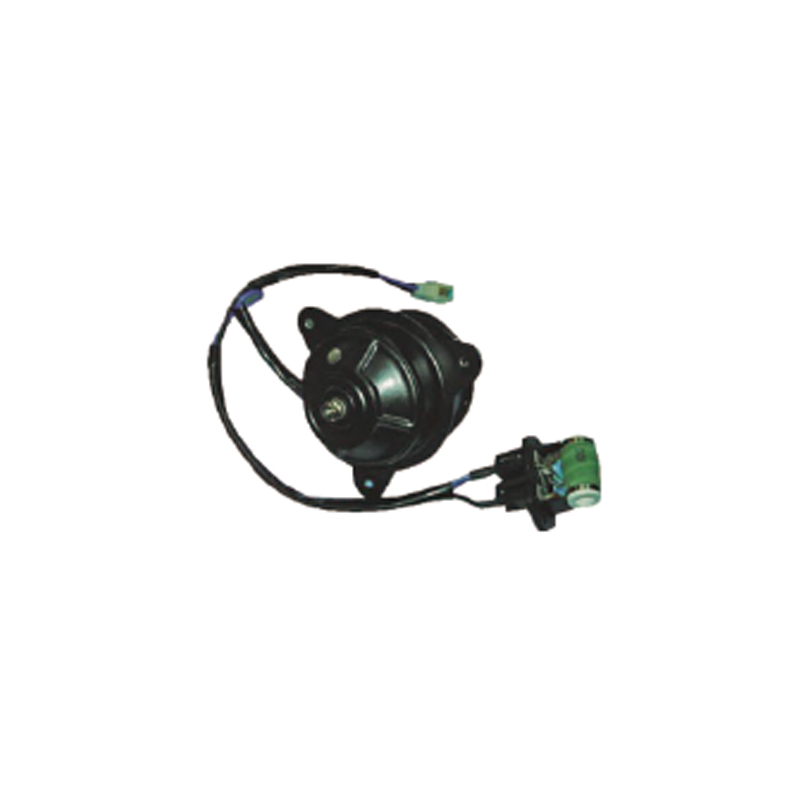
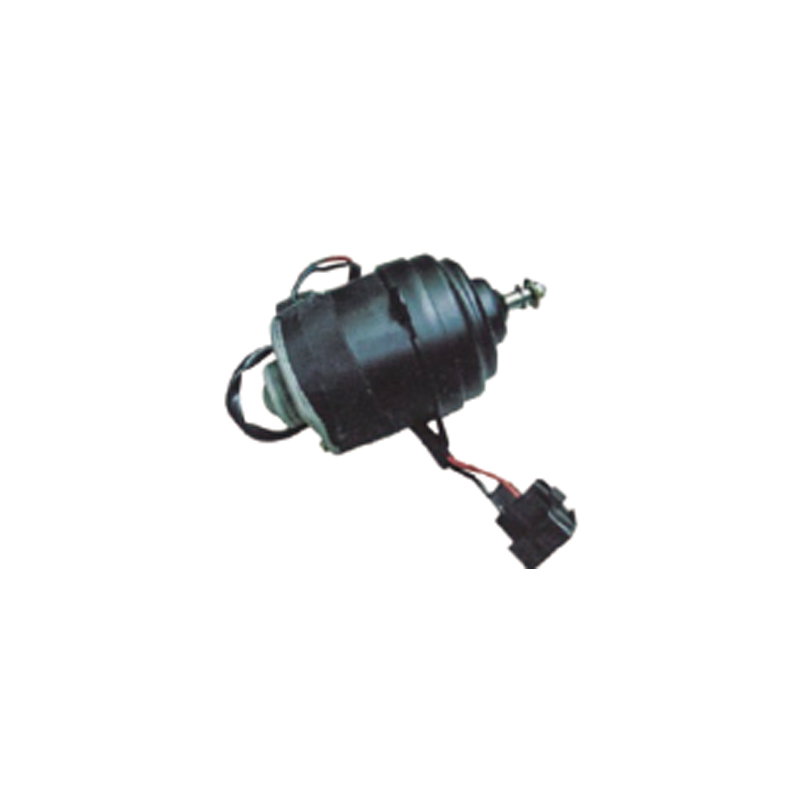
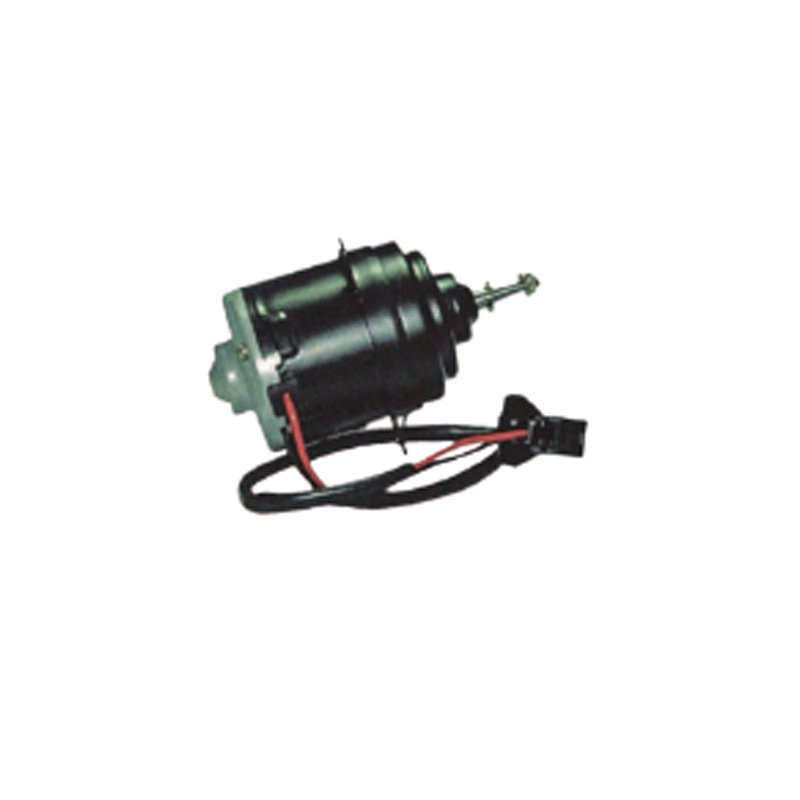
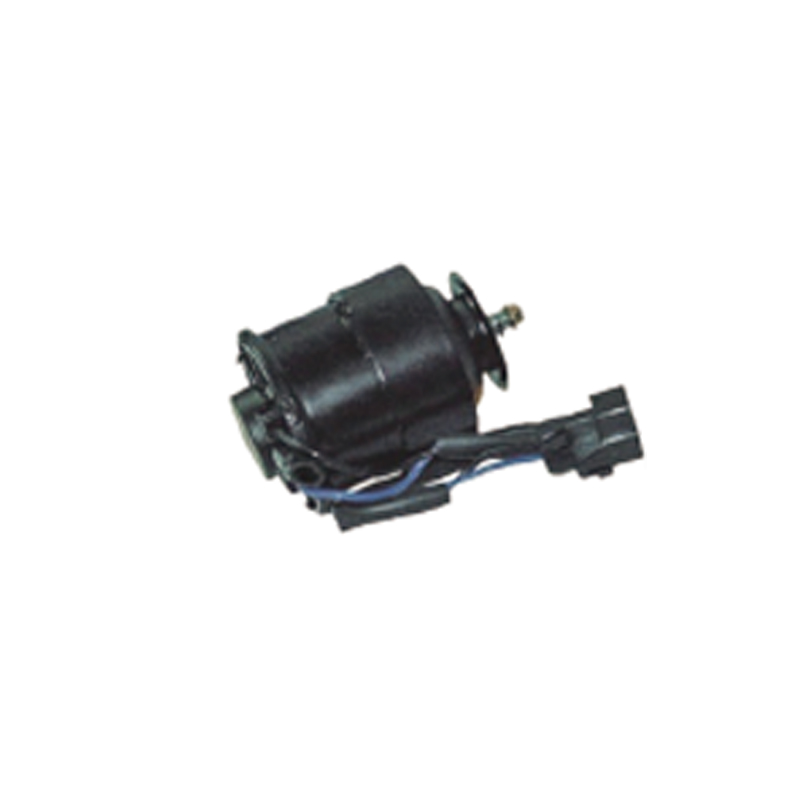
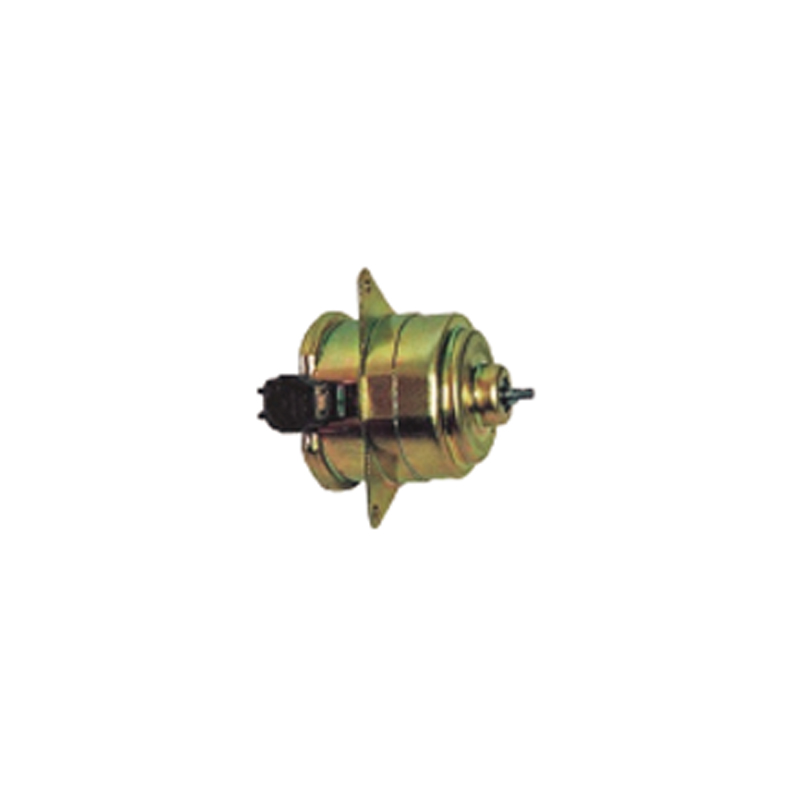
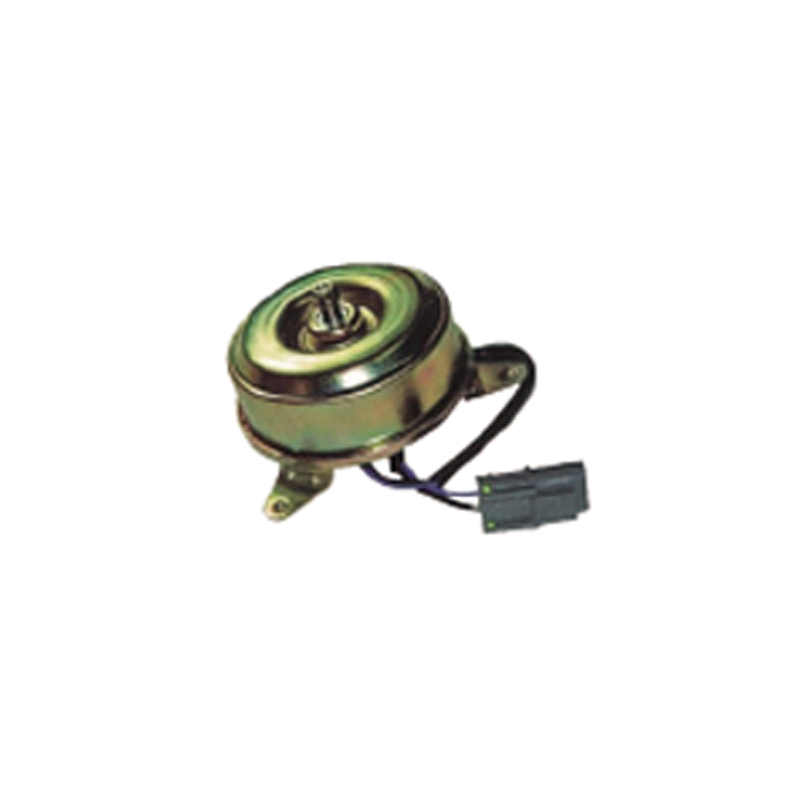
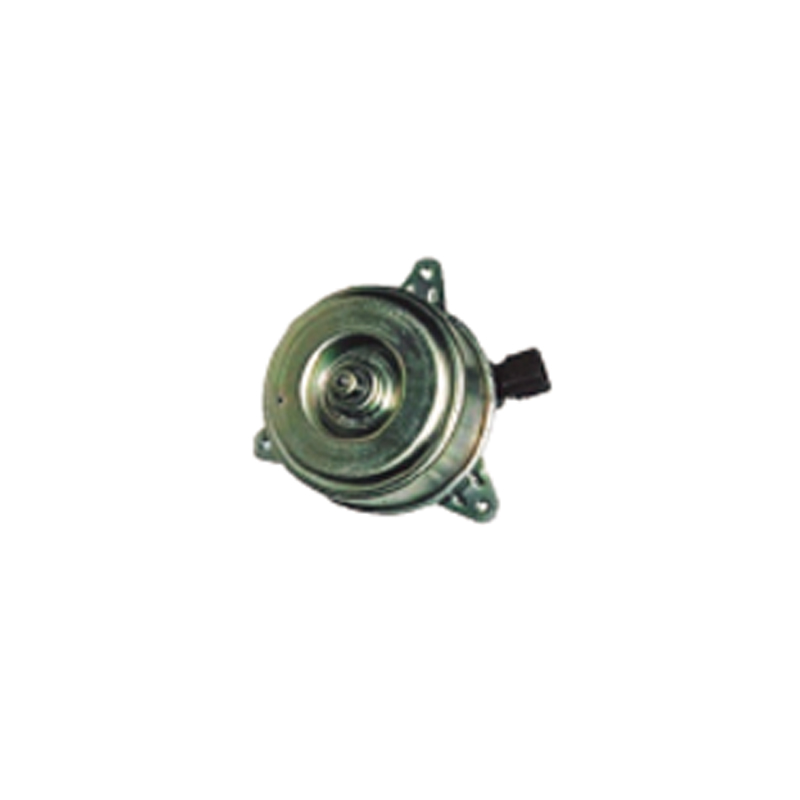
Every DC cooling fan motor integrates electromechanical and aerodynamic subsystems. The architecture directly determines reliability, noise profile, and cooling capacity. Below are the critical structural layers:
In automotive environments, structural robustness against mechanical shock (ISO 16750-3) and thermal cycling (−40°C to +125°C) is mandatory. High-end designs incorporate integrated dust filters and conformal-coated PCBs for corrosion resistance.
The operational sequence of a DC cooling fan motor transforms electrical input into directed airflow, removing heat from critical components. The core physics rely on Lorentz force law and aerodynamic lift.
When DC voltage is applied, the drive electronics commutate current through stator windings in sequence, producing a rotating magnetic field. This field interacts with the rotor’s permanent magnets, generating torque (typically 2–50 mN·m for automotive fans). BLDC designs eliminate mechanical brushes, reducing friction and arcing.
Rotating blades accelerate air radially and axially; the fan’s P-Q curve (pressure vs. flow rate) defines system capability. In restrictive heat exchanger ducts, high static pressure (up to 35 mmH₂O) ensures penetration through radiators or condensers.
Typical signal-to-airflow workflow in a smart DC fan motor:
With closed-loop speed feedback (tachometer or locked-rotor detection), the motor maintains target RPM even under varying static pressure. Modern designs integrate soft-start to suppress inrush current, critical for multiplexed automotive power nets.
Recent advances in DC cooling fan motors enable automotive OEMs to meet stringent thermal budgets and AEC-Q100/200 standards. The influential technologies include:
Automotive-grade DC fan motors also integrate reverse polarity protection, transient voltage suppression (load dump, ISO 7637-2), and blocked rotor detection to prevent thermal damage.
Quantified specifications enable engineers to match DC cooling fan motors to thermal requirements. The table below outlines typical performance ranges from validated automotive fan data (general industry references, no brand specifics).
| Parameter | Brushed DC Fan Motor | Brushless DC (BLDC) Fan Motor | Automotive Recommendation |
|---|---|---|---|
| Efficiency (peak) | 30% – 45% | 65% – 82% | BLDC mandatory for >50W cooling tasks |
| Lifetime L10 (40°C) | 15,000 – 30,000 hrs | 50,000 – 80,000 hrs | Ball-bearing BLDC preferred for EV |
| Acoustic noise @ full speed | 38 – 52 dBA | 28 – 45 dBA | FOC & impeller design below 40dBA |
| Speed stability w/ backpressure | ±15% variation | ±3% with closed loop | critical for HVAC & battery packs |
| EMI / EMC performance | High arcing noise | Low (soft-switching) | BLDC + shielding meets CISPR 25 |
In addition, automotive engineers must verify airflow vs. static pressure curves at operating temperature (85°C ambient). A typical 120mm automotive radiator fan delivers 120–250 CFM at 0.6 inH₂O backpressure. Modern DC motors achieve power density up to 5 W/cm³, crucial for space-constrained underhood compartments.
When specifying DC cooling fan motors for series production (passenger cars, commercial EVs, off-highway), consider the following technical parameters prioritized by thermal engineers:
For high-performance EV battery cooling (≥50kW charging), dual counter-rotating fan arrays with independent BLDC motors provide redundancy and up to 40% higher static pressure than single stage solutions. Fan dimensions generally follow EIA or ISO standard frames (60, 80, 92, 120, 172 mm).
How does PWM frequency affect BLDC fan motor longevity?
PWM frequencies between 21 kHz and 25 kHz are optimal: below 20 kHz may induce audible whine, while extremely high frequencies (>40 kHz) increase switching losses. For automotive use, 25 kHz PWM with soft-switching drivers reduces IGBT/MOSFET heating and extends driver life by ~20%.
What bearing technology provides durability for hot engine compartments?
Dual ball bearings (chrome steel or hybrid ceramic) outperform sleeve bearings at sustained 105°C ambient. Data shows ball-bearing fans retain >90% mechanical integrity after 8000h at 95°C, while sleeve bearings degrade lubricant viscosity causing early failure. Use grease with high dropping point (>200°C) for extended life.
Can DC fan motors be used for active grille shutters or reversing airflow?
Yes, with 4-quadrant controllers (bi-directional BLDC). Automotive-grade smart fans support reversible airflow for radiator purging or condenser defrost. However, blade design must be symmetric; efficiency in reverse typically drops 25–35%. For dedicated reverse flow, axial fans with symmetrical impellers are recommended.
How do sensorless BLDC motors start reliably under heavy load?
Modern sensorless drives use initial alignment + forced commutation (inductive sensing) or high-frequency injection. Algorithms detect rotor position at standstill and apply short current pulses. This technology achieves >99% start-up reliability across full temperature range, even with impeller inertia up to 500 g·cm².
What protection features are mandatory for automotive fan motors?
Mandatory: reverse polarity protection (MOSFET ideal diode), overcurrent shutdown (fixed or foldback), locked rotor auto-restart (thermal cycling protection), and transient overvoltage clamping (load dump up to 87V/400ms). OEMs often specify AEC-Q100 grade 0/1 for motor controller ICs.
How to calculate required airflow for a given heat load?
Use thermal equation: CFM = (Heat Load in Watts) / (1.08 × ΔT (°F)) or metric m³/h = (P_heat × 3.6) / (ρ·c_p·ΔT). Example: 200W heat dissipation, temperature rise ΔT=15°C, requires ~42 CFM. Always apply 20–30% margin for filter clogging and performance degradation over lifetime.
Automotive supply chain requires full material disclosure (IMDS) and compliance with ELV, RoHS, REACH. The table lists standard motor component grades.
| Component | Preferred Material | Key Property / Benefit |
|---|---|---|
| Stator core | Non-oriented silicon steel (M470-50A) | Low core loss (< 4 W/kg at 1.5T, 50Hz) |
| Magnet | NdFeB (N40SH grade) | High coercivity, operating temp up to 150°C |
| Housing / frame | PA66+GF30 or PBT-GF30 | UL94 V-0, dimensional stability |
| PCB coating | Acrylic or parylene conformal | Humidity/ salt mist protection (500h salt spray) |
Furthermore, high-end fans now incorporate real-time telemetry (RPM, current, temperature) via SMBus or CAN, enabling predictive maintenance and field diagnostics — a decisive factor for next-gen commercial vehicle fleets.
© Technical resource – DC cooling fan motors for automotive thermal systems. All data derived from standardized engineering references.
Your email address will not be published. Required fields are marked *

Zhejiang Nicety Electric Machinery Co., Ltd. specializes in the production of four series of products: condenser electronic fan, radiator (water tank) fan, blower, and air conditioner assembly. Professional production American, European, Japanese, Korean And Domestic brand DC automotive axial fans.
Email: [email protected] / [email protected]
Tel: +86-0578-7125439 / +86 181 0658 9231
Address:No. 98, Guangda Street, Jinsha Industrial Zone, Longquan City, Zhejiang Province, China