
 English
 Español
 عربى
 русский
Contact Us
Your email address will not be published. Required fields are marked *

Every enclosed vehicle cabin, whether it is a motorhome living area or the operator compartment of a compact excavator, faces the same basic challenge. People breathe, cook, dry clothing, and generate sweat inside a space with limited natural airflow. Without a planned exit route for moist air, humidity builds up, interior surfaces become cold at night, and condensation begins to collect on ceilings, window frames, and stored materials. A dependable ventilaton fan solves this problem by moving air on purpose rather than leaving ventilation to chance.
Moisture is the hidden cost of a closed vehicle. Once it settles into insulation, upholstery, and electrical areas, it is far harder to remove than it is to prevent.
Good air exchange is not only about comfort. It reduces mold risk, extends the life of upholstery and electronics, and keeps cabin temperatures more stable during long trips or extended shifts. A fan that is sized and placed correctly turns a sealed box into a space people can use for many hours without feeling stuffy or damp.
A roof mounted unit combines three functions: an outlet opening that can be closed, a motor driven fan that pulls air out, and a fresh air path that allows replacement air to enter. When the fan runs, the pressure inside the cabin drops slightly, and air flows in through gaps, vents, or a partly open window to fill the space. Understanding this sequence helps you judge whether a fan will perform well in your particular layout.
The diagram shows why inlet placement matters. A fan with an excellent airflow rating will still underperform if replacement air has no clear path, so good designs pair the outlet with an adequately sized opening at a lower point in the cabin.
Most products on the market fall into three practical categories, whether you are buying a complete vehicle roof ventilator or only a component. Each category suits a different operating pattern, budget, and level of user control.
Manual units use a crank or lever to open and close the roof outlet, with a DC motor providing airflow. They are simple, reliable, and easy to service, which makes them common in cost sensitive projects and fleets where operators prefer direct control.
Automatic designs open and close the cover electrically and often include remote control, rain sensing, or timer functions. They suit leisure vehicles where users want to ventilate from inside the cabin without climbing onto the roof.
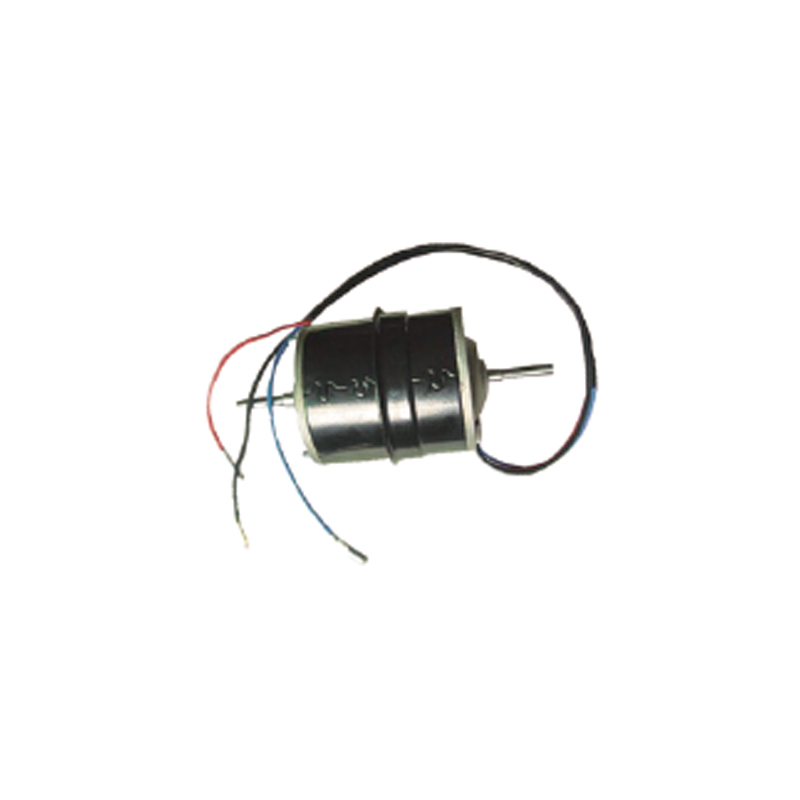
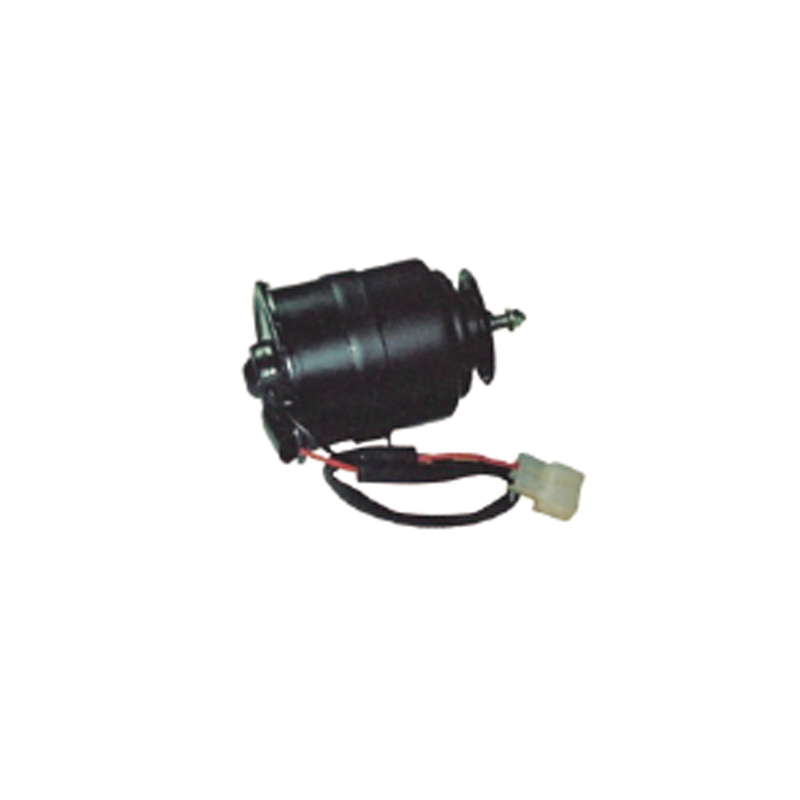
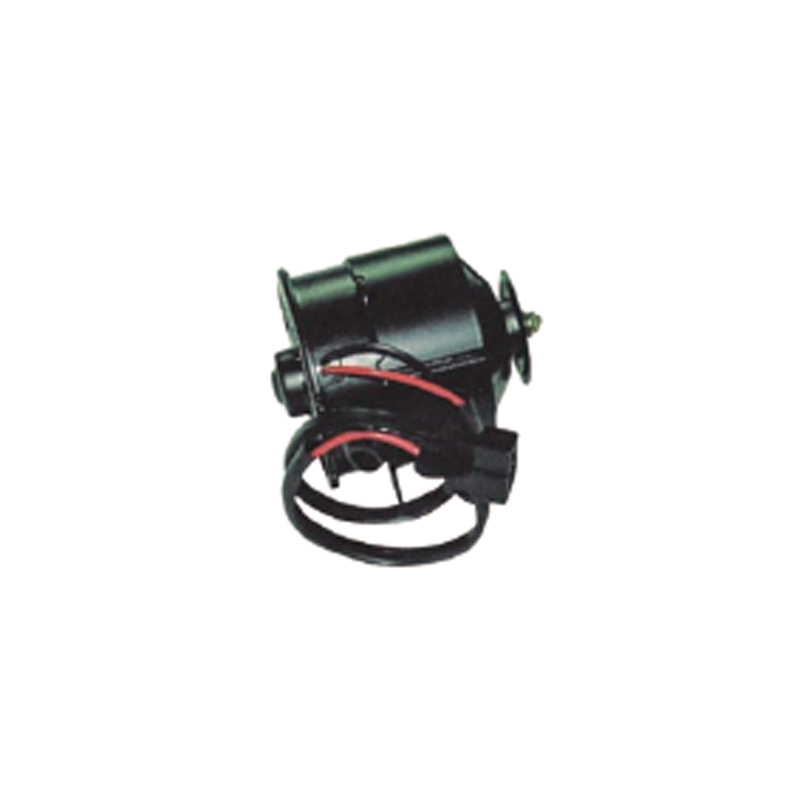
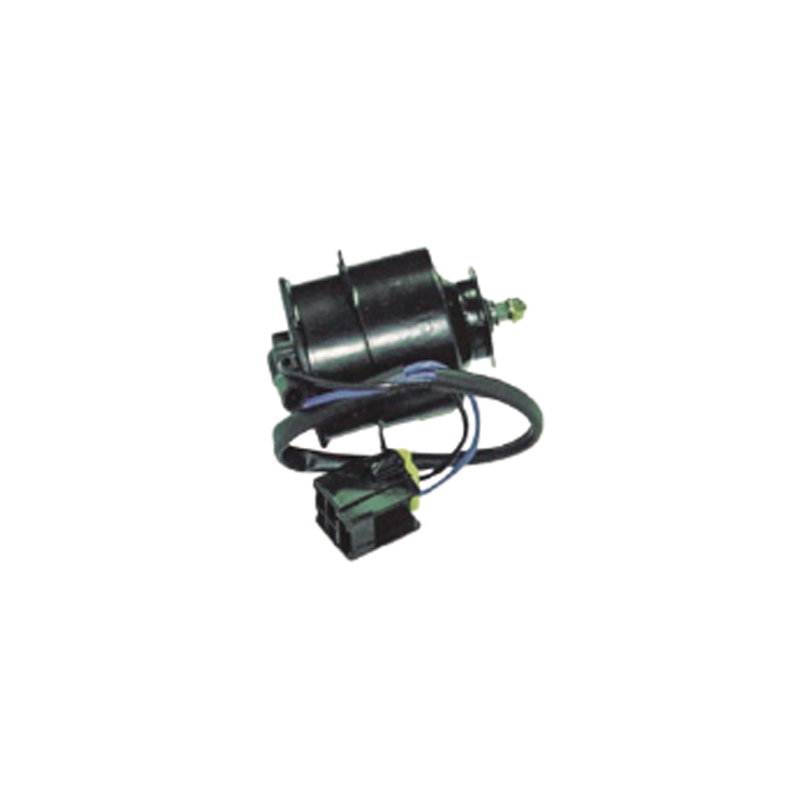
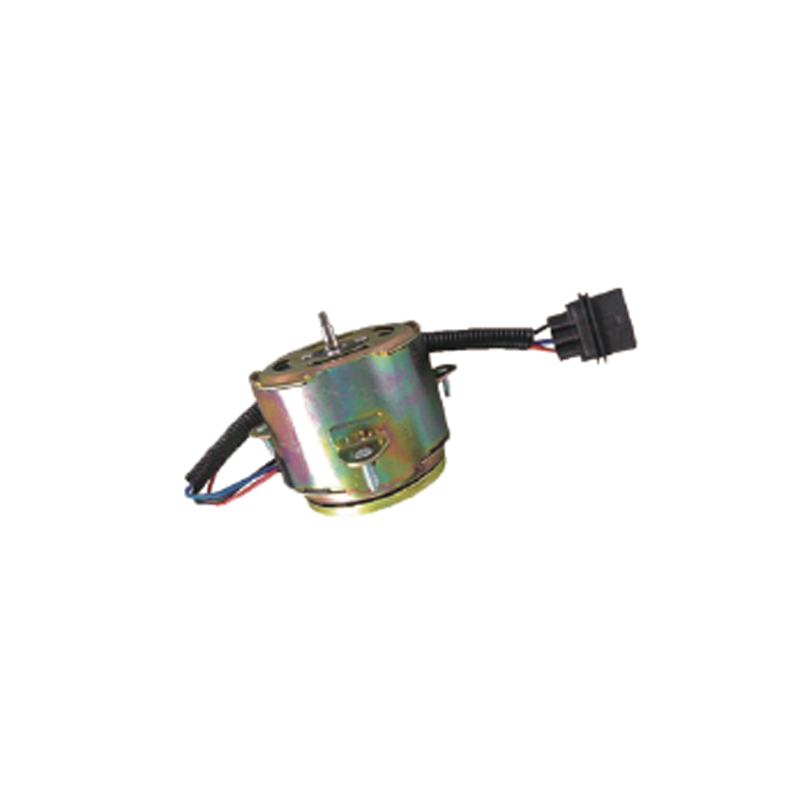
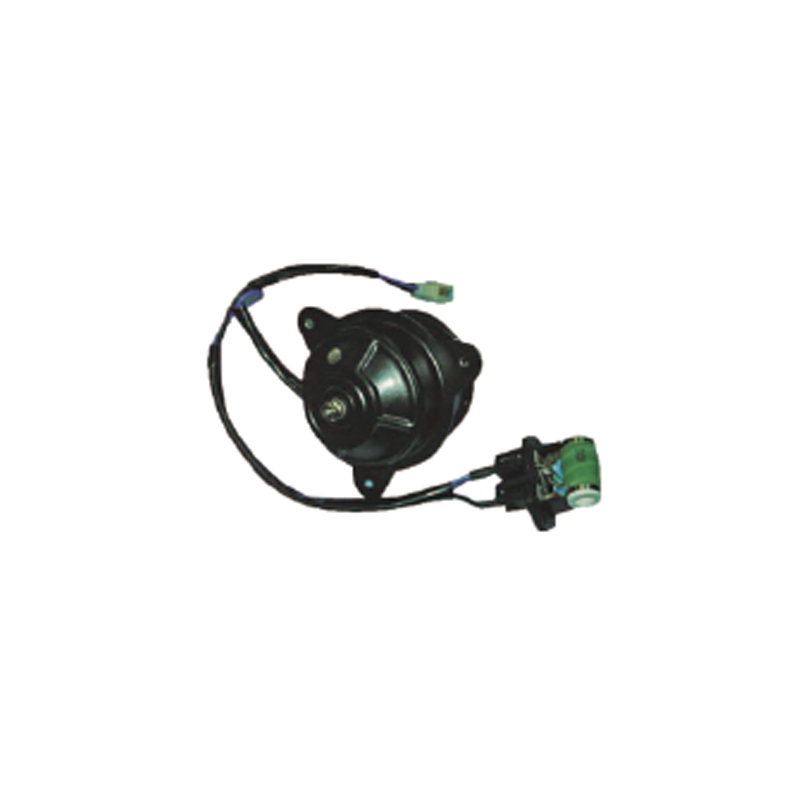
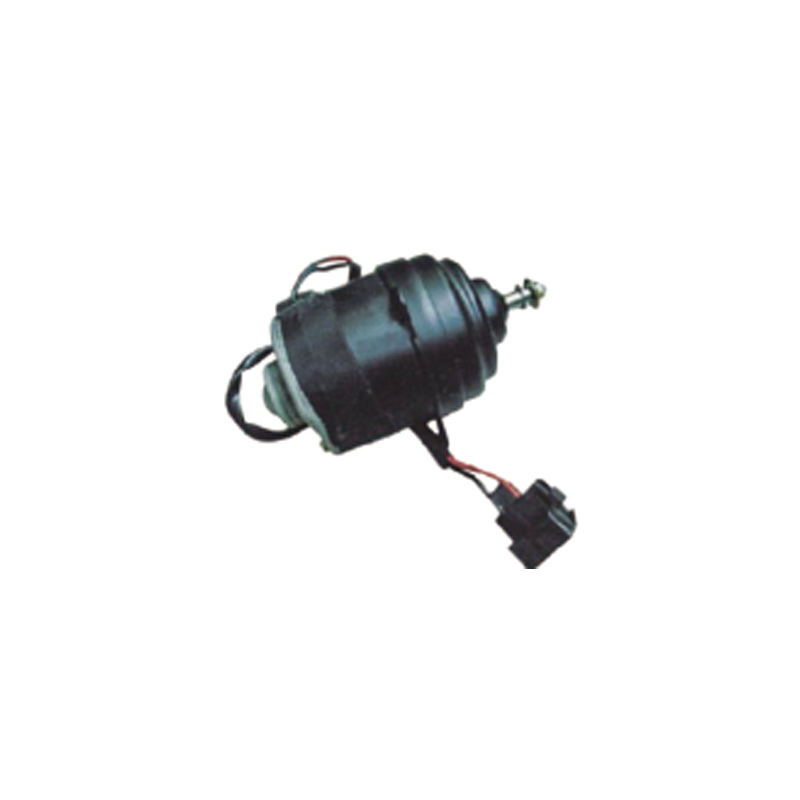
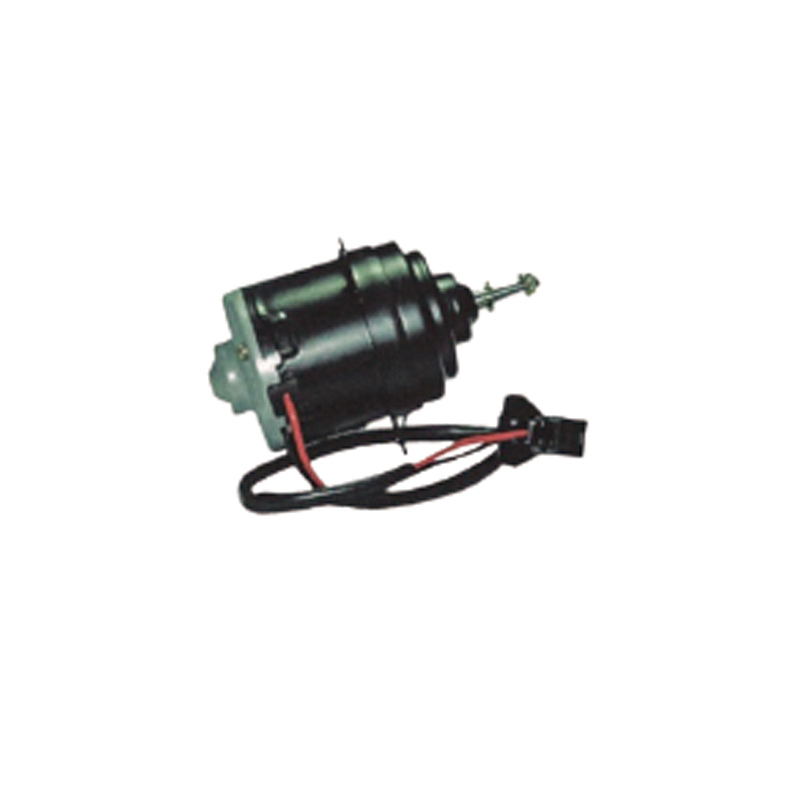
Some projects only need the motor and blade assembly, either to repair an existing unit or to integrate a custom fan into a bespoke housing. Motor specification, bearing type, and winding quality matter most in this category.
| Type | Control Method | Typical Use | Maintenance Level |
|---|---|---|---|
| Manual mechanical | Crank or lever | Budget builds, simple cabins | Low |
| Automatic with remote | Electric and remote | Leisure vehicles, comfort focused | Moderate |
| Motor assembly | Integrated into custom housing | Equipment and OEM projects | Low to moderate |
The same fan technology serves very different environments. Understanding the operating conditions of each scenario helps define the right voltage, airflow, and sealing level.
In each case the design goal is the same: move air efficiently without drawing excessive current from the vehicle battery system. Low power draw matters because it protects battery capacity during idle periods, which is when many mobile platforms are most vulnerable to a flat battery.
Selecting the right fan is less about finding the highest airflow number and more about matching the fan to the platform. Five factors deserve careful review before purchase.
Voltage must match the vehicle or equipment electrical system. A 12V unit suits many leisure vehicles, while 24V systems are common in heavier machinery and commercial platforms. Using the wrong voltage leads to weak airflow or premature motor failure, so confirm the nominal system voltage before comparing models.
Airflow is usually stated as the volume of air moved per hour. For living areas, a unit that delivers steady airflow at low speed is often more useful than one that is loud at maximum output. Ask suppliers for test data at several speed settings rather than a single peak figure.
Check the cutout dimensions, mounting pattern, and clearance above the roof. A mismatch between the opening size and the fan housing creates leaks or forces expensive rework. Measure twice and compare against the drawing supplied with the product.
The motor is the component most likely to wear out. When comparing a DC fan motor, look for documented bearing life, winding insulation class, and sealing against dust and water. Equally important is whether replacement motors remain available over the expected service life of the vehicle or equipment.
Some projects need non standard voltage, a special housing color, a different blade geometry, or integration with a control board. Early discussion of these needs prevents redesign later and gives both sides a clearer basis for pricing and lead time.
| Factor | What to Check | Why It Matters |
|---|---|---|
| Voltage | Match the 12V or 24V system | Prevents weak airflow and motor damage |
| Airflow | Test data at several speeds | Shows real performance in use |
| Noise | Level at low and medium speed | Determines comfort during rest |
| Opening size | Cutout and mounting pattern | Avoids leaks and rework |
| Motor | Bearings, insulation, sealing | Sets service life |
Even a well designed unit underperforms if installation is rushed. Sealing, wiring, and routine care determine whether the fan keeps working efficiently for years.
A simple case illustrates the value of this routine. A small fleet of mobile units reported recurring condensation complaints during winter. Inspection showed that gaskets had hardened and inlet paths were partly blocked. After resealing the openings and cleaning the filters, the fleet reported noticeably drier interiors without changing the fan model at all.
Three performance areas influence user satisfaction more than any single specification: sound level, energy consumption, and motor life. Each depends on design choices that are easy to evaluate once you know what to ask.
Sound comes mainly from blade aerodynamics and motor vibration. Blades with a well considered profile, balanced assemblies, and rubber isolation at the mounting points reduce noise at equal airflow. Efficiency depends on motor design and blade geometry, since a good match moves more air for each watt drawn from the battery.
Durability is determined by the bearing system, the winding insulation, and the environmental sealing of the motor housing. Sleeve bearings are cost effective for light duty, while higher quality ball bearings tolerate continuous operation and temperature swings better. Ask suppliers for endurance test results at elevated temperature, because those figures reveal more about real service life than a brochure claim.
Most field problems fall into a few predictable categories. A structured checklist saves time and avoids replacing parts that are still in good condition.
| Symptom | Likely Cause | Recommended Action |
|---|---|---|
| Weak airflow | Dust on blades or grille | Clean and check blade clearance |
| Loud rattling | Loose mounting or unbalanced blade | Tighten fasteners and rebalance |
| Motor runs hot | Undersized wiring or voltage drop | Check cable gauge and connections |
| Fan does not start | Blown fuse or poor ground | Test the fuse, then verify the ground path |
| Water drips inside | Degraded gasket | Replace the seal and inspect flashing |
If the problem persists after these steps, measure the supply voltage under load. A reading that drops significantly when the fan starts usually points to wiring rather than the motor itself.
A fan that performs well on a mild coastal trip may struggle during hot desert days or cold mountain nights. Matching the operating strategy to the climate extends comfort and protects the motor.
Route planning also matters. Long highway drives produce steady air movement across the vehicle, which helps the fan work efficiently. Stop and go operation in traffic or at a work site places more demand on the fan because airflow relies entirely on the fan itself. Recognizing these differences lets operators choose the right mode rather than running the fan at a single fixed speed.
When standard models do not fit a platform, a structured development process reduces risk for both buyer and producer. Clear communication at the beginning is the most effective way to control cost and schedule.
Buyers who prepare drawings, duty cycles, and target costs at the start usually shorten this timeline considerably. Sharing these details early gives the manufacturer what it needs to propose a practical solution rather than a generic one.
A ventilation fan removes warm, humid air from the living area and draws fresh air in, which limits condensation, odor buildup, and heat accumulation during travel and overnight stays.
Choose the voltage that matches your vehicle or equipment electrical system. Most leisure vehicles use 12V, while many commercial and heavy equipment platforms operate on 24V.
A common comfort target is below 50 dB at normal operating speed. Low speed settings and well balanced blades help keep sleeping areas quiet.
Yes. Custom work can cover voltage, housing dimensions, blade design, and control features. Early specification and sample testing help control cost and lead time.
Replacement motors and blade assemblies are often available separately. Confirm the bearing type, mounting pattern, and voltage before ordering to ensure a correct fit.
Inspection once or twice a year is typical, with extra checks after heavy use, dusty conditions, or long periods of storage. Look at seals, grilles, wiring, and blade balance during each inspection.
A well chosen unit does far more than move air. It protects interiors from moisture, keeps occupants comfortable, and supports reliable operation of the wider electrical system. Start with the voltage, airflow target, noise limit, and opening size, then evaluate motor quality and service support. This disciplined approach turns a generic purchase into a dependable part of your mobile platform.
Your email address will not be published. Required fields are marked *

Zhejiang Nicety Electric Machinery Co., Ltd. specializes in the production of four series of products: condenser electronic fan, radiator (water tank) fan, blower, and air conditioner assembly. Professional production American, European, Japanese, Korean And Domestic brand DC automotive axial fans.
Email: [email protected] / [email protected]
Tel: +86-0578-7125439 / +86 181 0658 9231
Address:No. 98, Guangda Street, Jinsha Industrial Zone, Longquan City, Zhejiang Province, China