
 English
 Español
 عربى
 русский
Contact Us
Your email address will not be published. Required fields are marked *

Critical environment air movement is a reliability problem before it is a comfort problem. In a battery enclosure, telecom shelter, medical equipment cabinet, or off-highway vehicle, a fan is often the component that keeps temperature rise, humidity, and contamination inside a safe operating band. When that air path stops, the failure does not stay inside the fan. It moves into electronics, battery cells, seals, lubricants, and the people who depend on the system. That is why an EC fan for critical environment air movement should be selected as a controlled air-path device, not as a commodity accessory.
Design note: EC fans combine brushless permanent-magnet motors with integrated commutation electronics. The value is not only lower input power. It is repeatable speed control, softer starts, better part-load behavior, and cleaner integration with monitoring systems.
The phrase critical environment can cover very different sites, but the engineering question is similar: what happens when the air path is stressed? A design that works on a mild day with a clean filter may fail when ambient temperature rises, a filter loads, a door opens, or supply voltage sags. The fan must have enough operating reserve to protect the load without becoming noisy, unstable, or difficult to service.
Critical duty profiles rarely sit at one operating point. Ambient temperature climbs, filters load, battery demand changes, and voltage varies. A conventional AC fan may be efficient at its design point but less responsive when the duty point moves. An EC fan can adjust speed electronically while keeping the motor and impeller matched to the airflow demand.
EC fans also simplify control architecture. Because commutation is handled electronically, the fan can accept a speed command directly from a controller. There is no separate inverter or external drive in many compact assemblies. That reduces wiring, panel space, and points of failure in space-constrained equipment.
The fit is strongest where air movement is part of a thermal safety case. If a fan protects battery cells, power electronics, or a sealed enclosure, the designer needs predictable behavior across voltage range, ambient temperature, and contamination. An EC fan does not remove the need for thermal analysis, but it gives the control system more ways to keep the protected load inside its limit.
In a brushed fan, current is transferred through sliding contacts. That imposes wear, carbon dust, ozone, and speed-control limits. An EC fan uses a permanent-magnet rotor and electronically switches stator current according to rotor position. The result is a controlled rotating field without brush wear. The electronics can also manage startup, current limit, speed ramp, and fault detection.
Motor efficiency is only one part of the result. The impeller, inlet geometry, blade shape, diffuser, and installation clearances determine how much of the shaft power becomes useful air movement. In critical work, the operating point matters more than the free-air rating. A fan that delivers impressive airflow against no resistance can become a poor choice once a filter, heat exchanger, duct, or dense fin stack is placed in the path.
Axial fans move high volume at lower pressure. Centrifugal fans trade volume for pressure and directional flow. An EC motor can be paired with either. The selection should start with the system resistance curve, not with the motor label. In a compact cabinet, a centrifugal impeller may be the only practical way to push air through a dense filter and turn the flow toward an exhaust. In a vehicle radiator, an axial fan usually provides the right combination of face area and airflow.
A datasheet can be accurate and still misleading if it reports peak airflow without the static pressure at which that airflow occurs. For critical environment air movement, specify the operating point and the margin. The table below is a useful review framework for engineering and procurement teams.
| Variable | Why it controls outcomes | Practical specification check |
|---|---|---|
| Airflow at operating point | Free-air flow can fall sharply once filters, ducts, or fin stacks are installed. | Require a performance curve with the calculated system resistance marked on it. |
| Static pressure margin | Filters load and heat exchangers foul over time, shifting the fan away from its best point. | Confirm airflow at the dirty-filter condition, not only at initial startup. |
| Electrical range | Voltage sag, cold crank, and connector losses can affect startup and speed stability. | Define minimum and maximum supply, startup current, and restart behavior after a dip. |
| Control interface | The controller must command speed and detect faults without adding unnecessary hardware. | Confirm signal type, tachometer output, alarm logic, and default speed if the command is lost. |
| Environmental protection | Dust, moisture, salt, vibration, and heat can defeat a fan that performs well on a bench. | Match ingress protection and materials to the installed location and service interval. |
| Acoustic behavior | Blade-pass tone and turbulence can become a nuisance or a diagnostic warning. | Review noise at the expected speed range and installation clearance, not only at full speed. |
The margin question deserves attention. Filters load, heat exchangers foul, wiring resistance varies, and inlet restrictions are often underestimated. A fan selected exactly at the calculated duty point has no room to age. In critical systems, it is better to specify a fan that reaches the required airflow with a controlled reserve and then use speed control to avoid overshooting. That reserve should be treated as part of the thermal safety case, not as an optional comfort margin.
Electrical integration also needs a written interface. Confirm supply voltage range, startup current, control signal type, tachometer output, alarm logic, connector sealing, and behavior during brownout. A fan that performs well on a bench but restarts unpredictably after a voltage dip is not a critical-duty component.
The environment should choose the fan type before the model number does. An axial EC fan is usually the practical choice for radiator, condenser, and battery-pack cooling where airflow crosses a compact heat exchanger. A centrifugal EC fan is usually better where air must turn, pass through a duct, or overcome a dense filter.
Off-highway equipment combines both patterns. Construction trucks need axial fans for radiator and charge-air cooling, while cabs and battery enclosures may need compact centrifugal or evaporator fans. Mining vehicles add dust, shock, and high ambient temperature. Agricultural machinery adds chaff, washdown, and seasonal storage. A fan that works in one of these duties is not automatically suitable for the others.
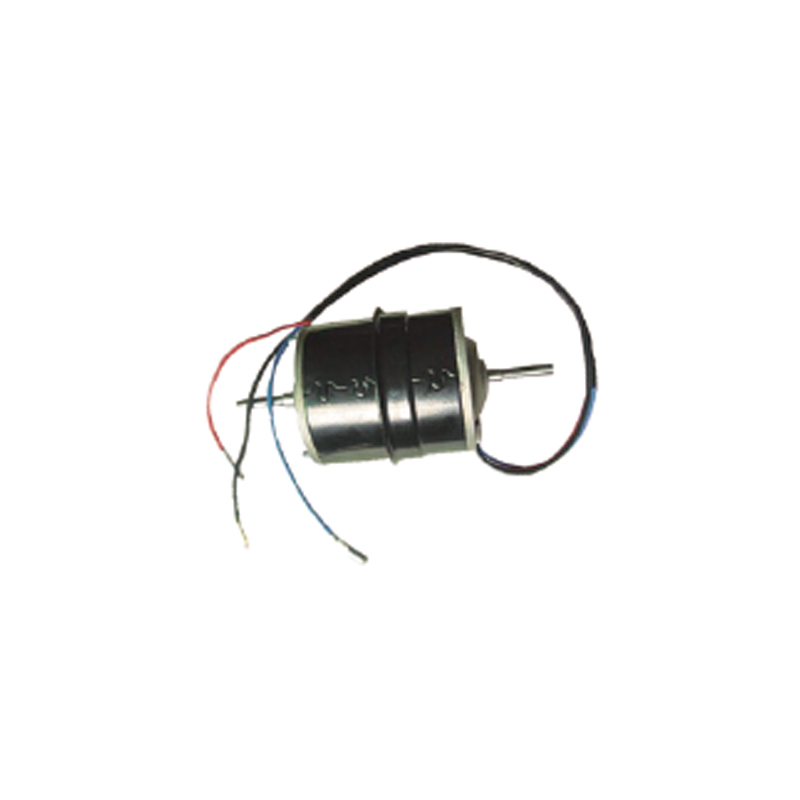
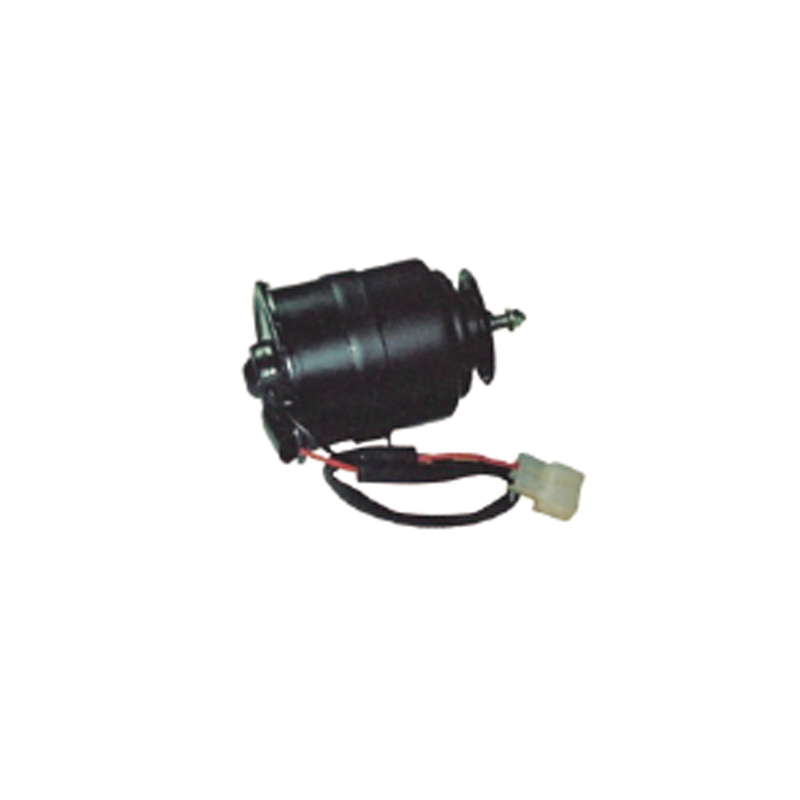
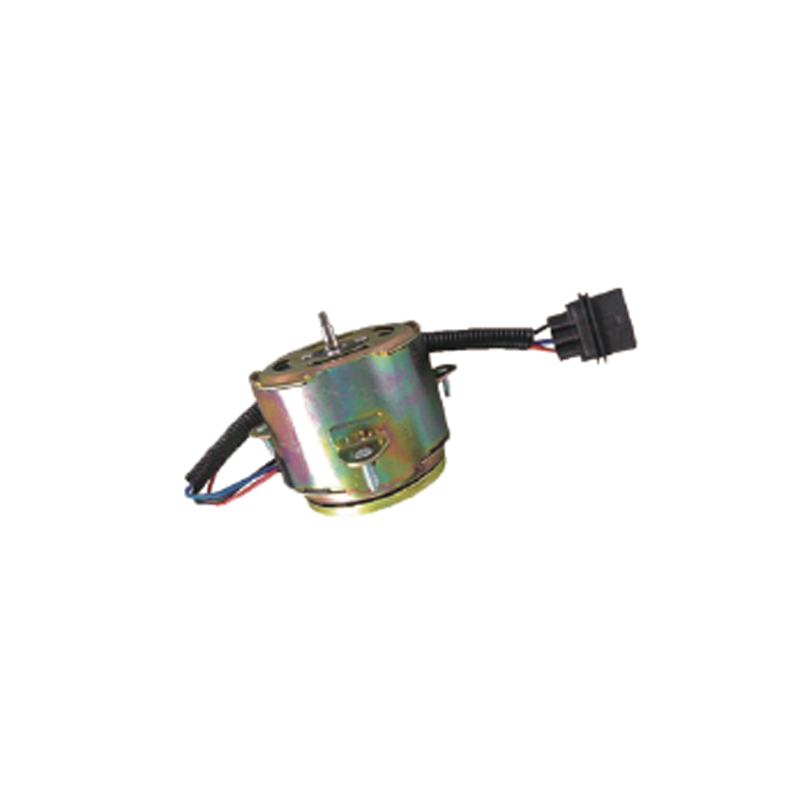
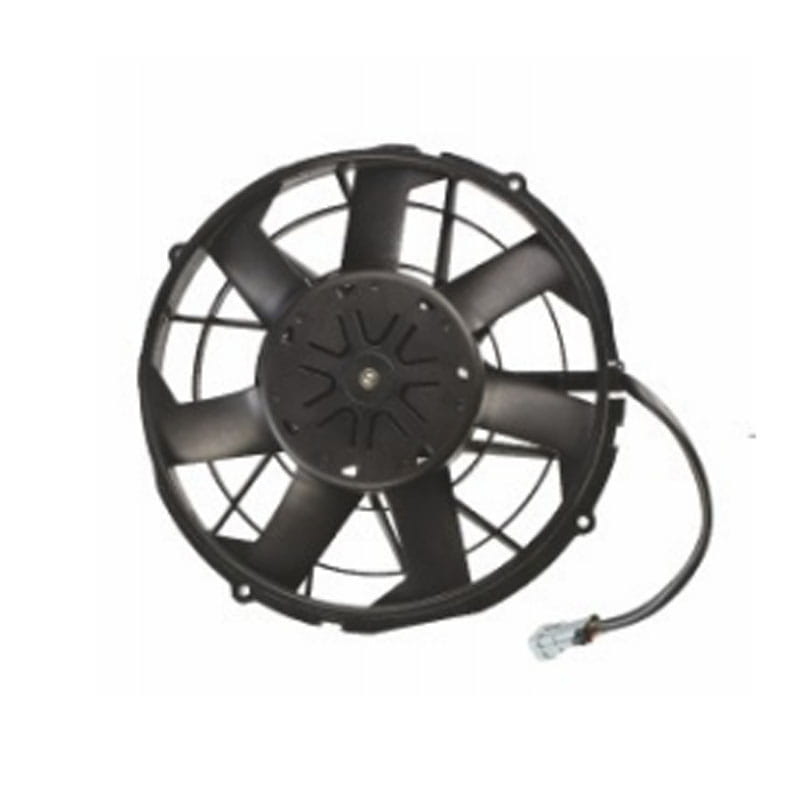 80701.31 12-Inch Brushless Axial Fan for Construction TrucksBrushless axial fan for radiator and vehicle cooling on construction trucks; review frame size, voltage, blade geometry, connector, and control interface before specifying.View Product →
A product reference is not the specification. It is a starting point for a technical review of frame size, voltage, blade geometry, connector, and control interface. The same air path can require different hardware when the duty cycle changes from intermittent to continuous.
Critical air movement should be observable. A fan without a speed or status signal can fail silently until the protected equipment trips. At minimum, specify a tachometer output, locked-rotor detection, and a control command that fails to a safe speed. Where downtime is expensive, use redundant fans or a fan array with one extra fan beyond the required capacity.
Speed control is not only an energy feature. It is a thermal management tool. A controller can increase fan speed before a battery or power stage reaches its limit, then reduce speed when the load falls. This is especially useful in variable-duty off-highway cycles where full airflow is needed only during peaks. The control loop should respond to thermal trend, not to sensor noise, so filtering, deadband, and rate limits are part of the fan specification.
Redundancy also needs an air-path plan. Two fans sharing one duct do not automatically provide reliable backup if a failed fan becomes a blockage. Use backdraft dampers, parallel paths, or a fan array layout that allows air to bypass a stopped impeller. The best redundancy is the one that has been tested under realistic pressure and temperature.
An EC fan can be electronically sophisticated and still fail mechanically if the installation ignores the environment. Heat shortens bearing life. Dust blocks inlet screens and changes the system curve. Moisture attacks connectors and sensor windings. Vibration loosens fasteners and fatigues lead wires.
Mining and battery thermal management are two examples where the fan is exposed to a harsh duty profile but the failure consequence is high. In mining, the axial fan may face dust, shock, and altitude. In battery thermal management, the evaporator fan must move air through a compact path without allowing localized hot spots.
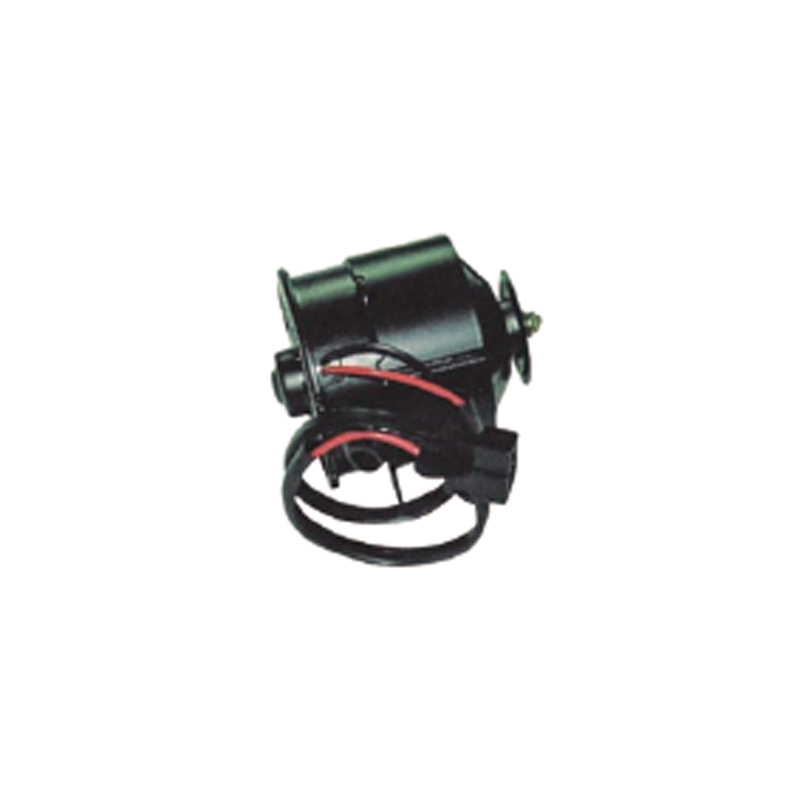
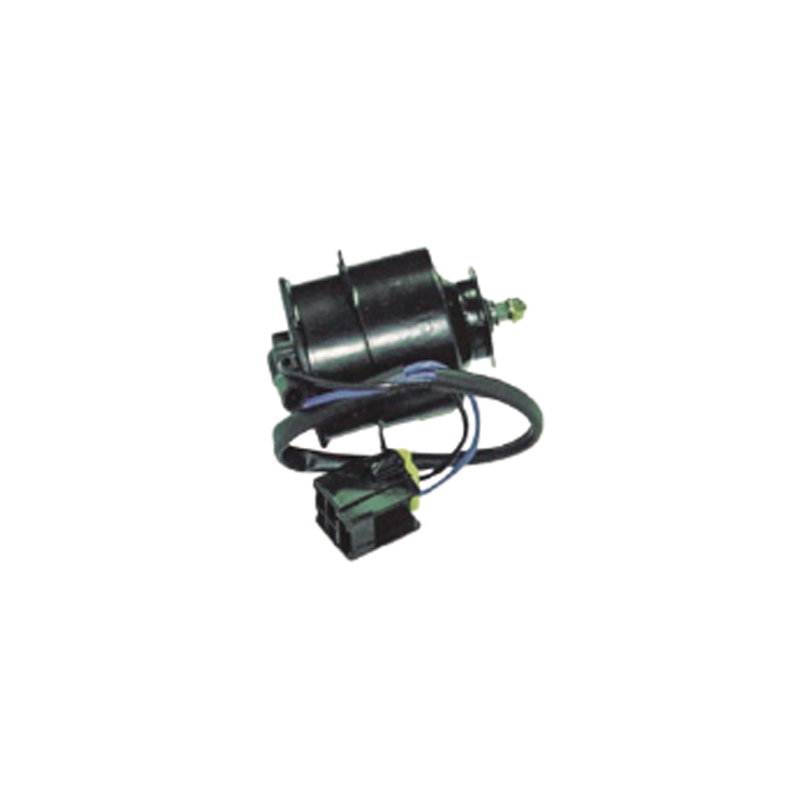
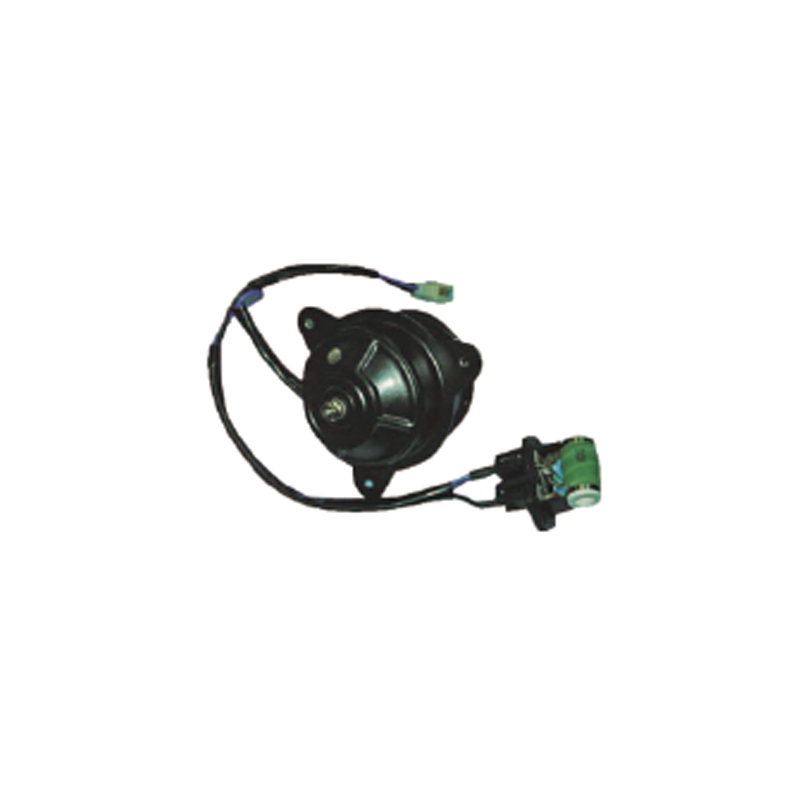
 80703.31 12-Inch Brushless Axial Fan for Mining TrucksCustom brushless axial fan for heat dissipation and ventilation in mining trucks; consider dust, shock, altitude, bearing type, sealing, and service interval.View Product →
The test plan should combine thermal cycling with contamination exposure. A clean bench test does not predict a fan that must start after a cold soak or run after a dust storm. Review bearing type, lubricant limits, connector sealing, and the service interval together, because a protection rating alone does not prove long-term reliability.
Noise in critical environments is often treated as a comfort issue, but it can also be a diagnostic signal. Blade-pass tone, turbulence at the inlet, loose panels, and bearing wear all produce different signatures. A fan that is quiet at the design point can become objectionable when it is installed too close to a bend or a wall.
Serviceability should be designed into the air path. Place fasteners where a technician can reach them. Label connectors. Provide a filter service indicator. Keep spare fan assemblies with the same control configuration so a replacement does not require a software change.
Lifecycle cost is not won by the lowest purchase price. In critical duty, the highest cost is often the unplanned stop. A more efficient EC fan can pay back through lower input power, but the larger benefit may be the ability to run at reduced speed for most of the year and still have reserve capacity for the hottest day.
Installation discipline matters. Even a well-selected fan can underperform if the mounting, sealing, and control configuration are wrong. A disciplined installation and configuration sequence is as important as the datasheet, especially when the fan is part of a critical thermal loop.
Use a structured process rather than a catalogue scan. The order matters because a decision made early can hide a problem that appears later.
When the design team needs to review candidate hardware before the first prototype, start with a structured review of the available fan hardware families and compare them against the air-path data. Keep a decision record. Record the duty point, supply range, control signal, filter condition, expected service interval, and acceptance test. This record becomes the baseline for change control.
The workflow should also include a second look at the interface between fan and enclosure. Air that recirculates around a poorly sealed shroud never reaches the heat source. A fan that is oversized but badly installed can be less effective than a smaller, well-ducted unit with controlled speed. Critical air movement is usually an integration outcome, not a single-component outcome.
An EC fan is valuable in critical environment air movement because it gives the designer control over speed, efficiency, and monitoring in a compact package. That value is realized only when the fan is matched to the real system resistance, the real ambient, and the real failure consequence.
The practical standard is simple: specify the operating point, verify the control interface, design for contamination and service, and test the failure mode. A fan that is never allowed to become an unmonitored single point of failure is a better critical-duty component than one with an impressive free-air rating.
An EC fan is suitable because it combines a brushless permanent-magnet motor with integrated electronics, allowing controlled speed, softer starts, and status feedback. In critical duty, those features help the system maintain airflow as filters load, ambient temperature rises, or load changes. The fan still has to be matched to the real static pressure and environmental conditions.
A brushed fan transfers current through sliding contacts, which wear over time and can create carbon dust. An EC fan uses electronic commutation instead, so there are no brushes to replace. The EC design usually provides better speed control, lower maintenance risk, and more predictable behavior when integrated with a monitoring system.
Choose axial when the air path is short and the system resistance is low to moderate, such as a radiator or battery pack. Choose centrifugal when the air must overcome higher pressure, turn through a duct, or pass through a dense filter. The correct choice depends on the operating point, not on the fan label alone.
Specify the signal that your controller can support reliably, then confirm the fan can respond with stable speed and useful feedback. Common options include analog voltage, pulse-width modulation, and digital communication, but the final decision should also consider fault reporting, default speed, startup current, and behavior during voltage dips.
There is no universal number because the answer depends on filter loading, heat exchanger fouling, altitude, and service interval. A practical approach is to define the airflow required at the dirty or aged condition, confirm that the fan can reach it, and then use speed control to avoid excessive power and noise when the system is clean or lightly loaded.
Yes, but protection must be designed into the assembly. Ingress protection, sealed connectors, drain paths, corrosion-resistant materials, and service access all matter. Dust also changes the system resistance as screens and filters load, so the fan must be selected with that change in mind rather than only at the clean-condition operating point.
Start with the air path. Avoid sharp bends and obstructions close to the inlet or outlet, provide enough clearance around the blades, and isolate vibration from panels. Then review speed range, blade-pass tone, and mounting stiffness. Noise should be checked at the speed range expected in service, not only at maximum speed.
Test airflow and static pressure at the installed operating point, then repeat with a partially loaded filter or heat exchanger. Add thermal cycling, cold start, voltage dip, locked-rotor response, vibration, and contamination exposure. For critical systems, also verify that a failed fan does not block the backup air path and that the controller reports the fault in time to protect the load.
Your email address will not be published. Required fields are marked *

Zhejiang Nicety Electric Machinery Co., Ltd. specializes in the production of four series of products: condenser electronic fan, radiator (water tank) fan, blower, and air conditioner assembly. Professional production American, European, Japanese, Korean And Domestic brand DC automotive axial fans.
Email: [email protected] / [email protected]
Tel: +86-0578-7125439 / +86 181 0658 9231
Address:No. 98, Guangda Street, Jinsha Industrial Zone, Longquan City, Zhejiang Province, China