
 English
 Español
 عربى
عربى русский
Contact Us
Your email address will not be published. Required fields are marked *
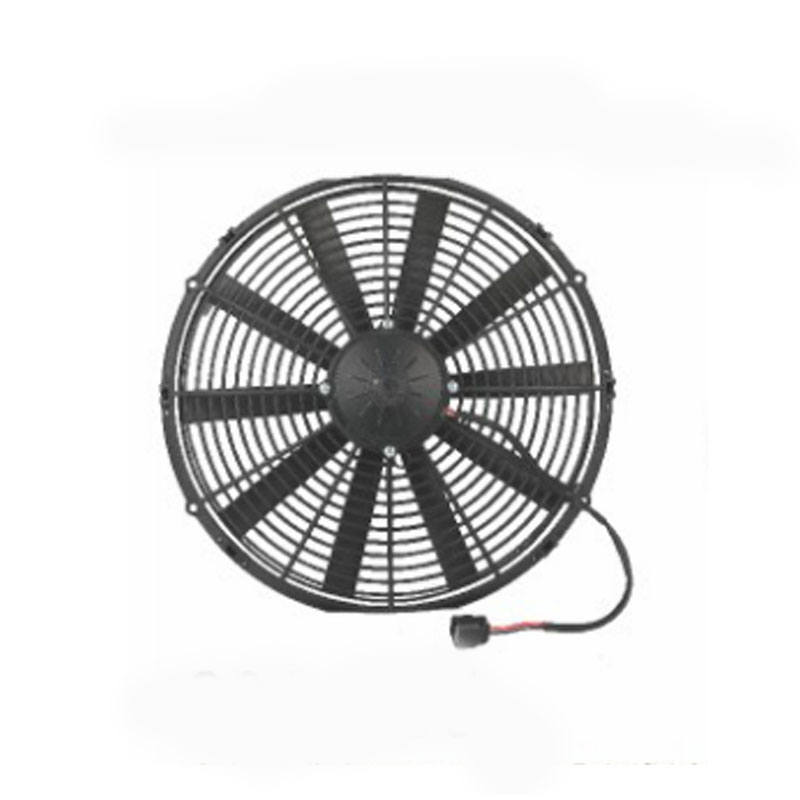
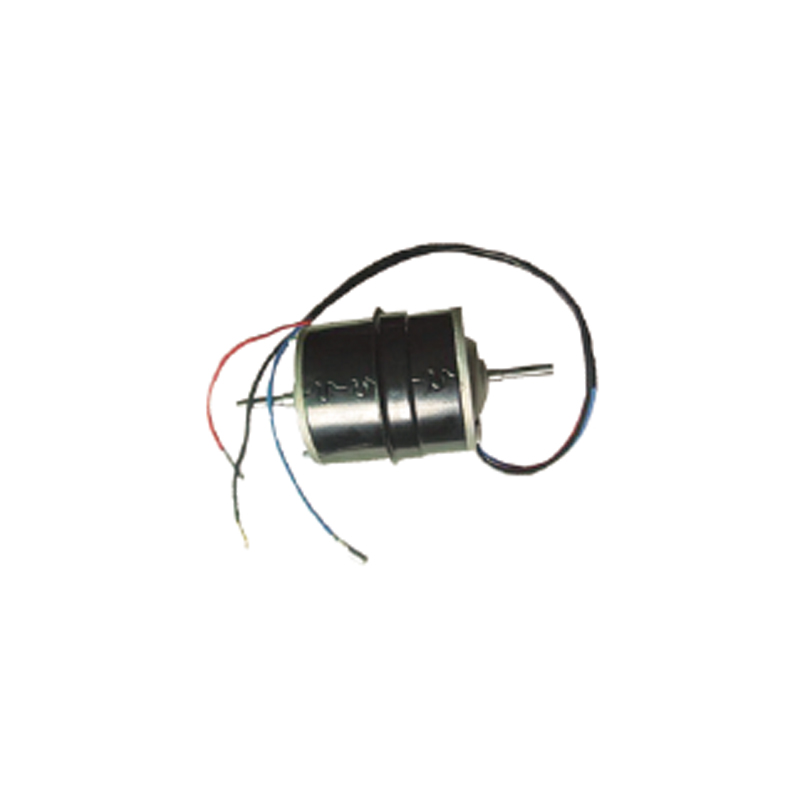
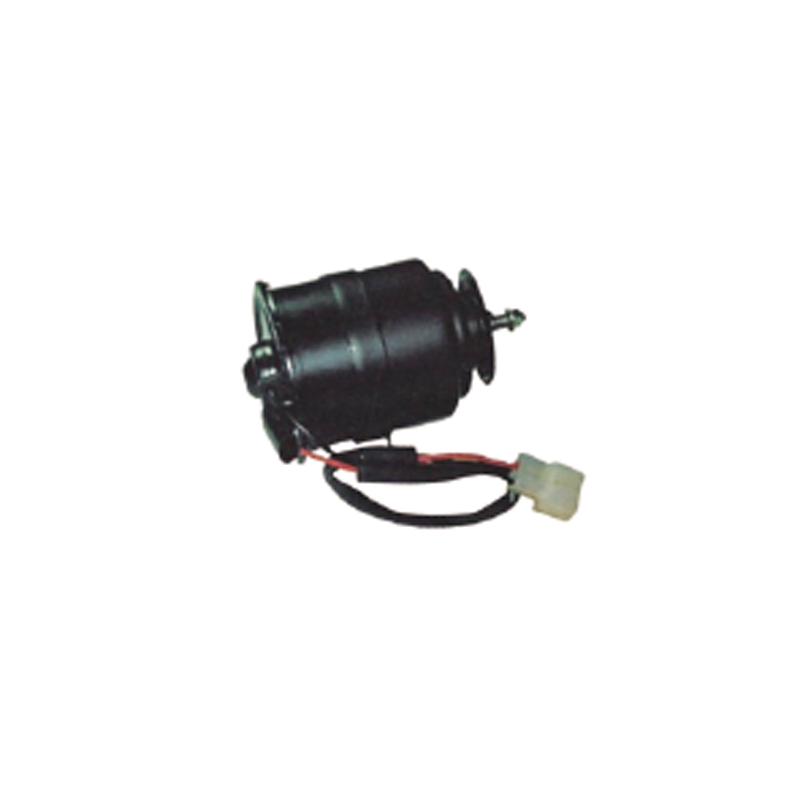
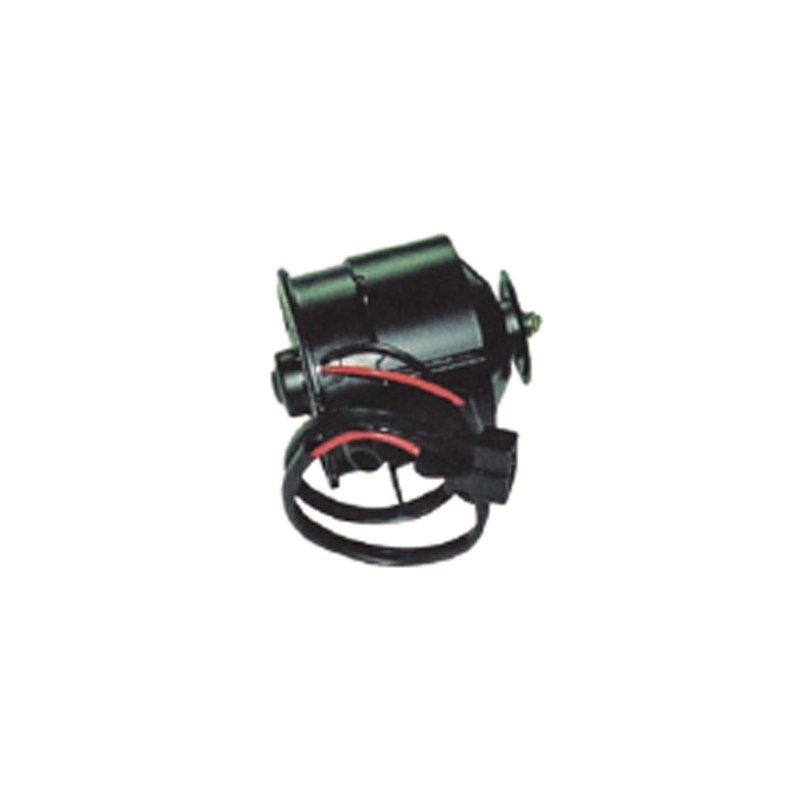
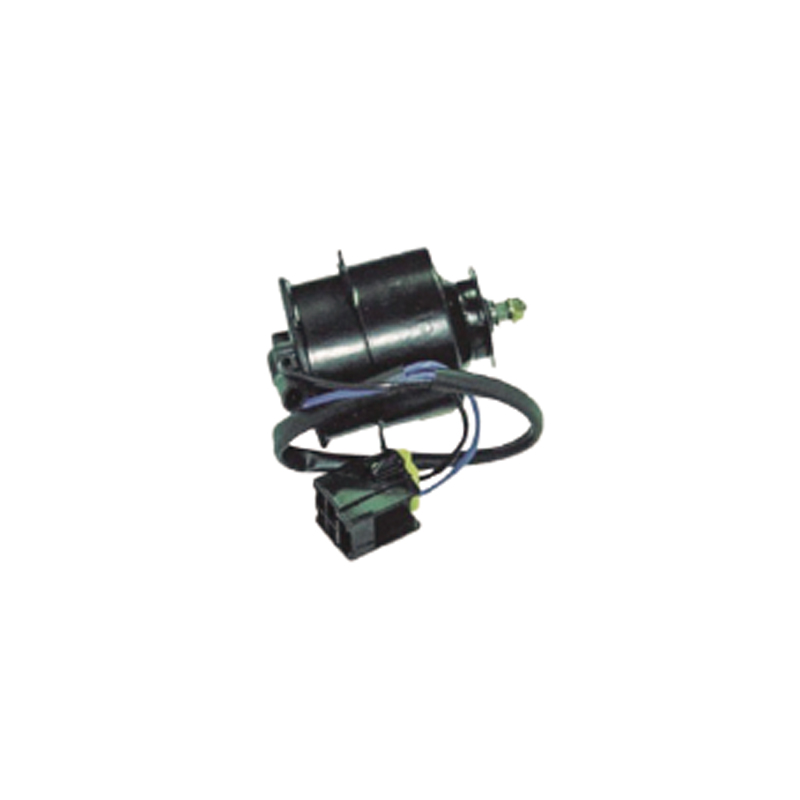
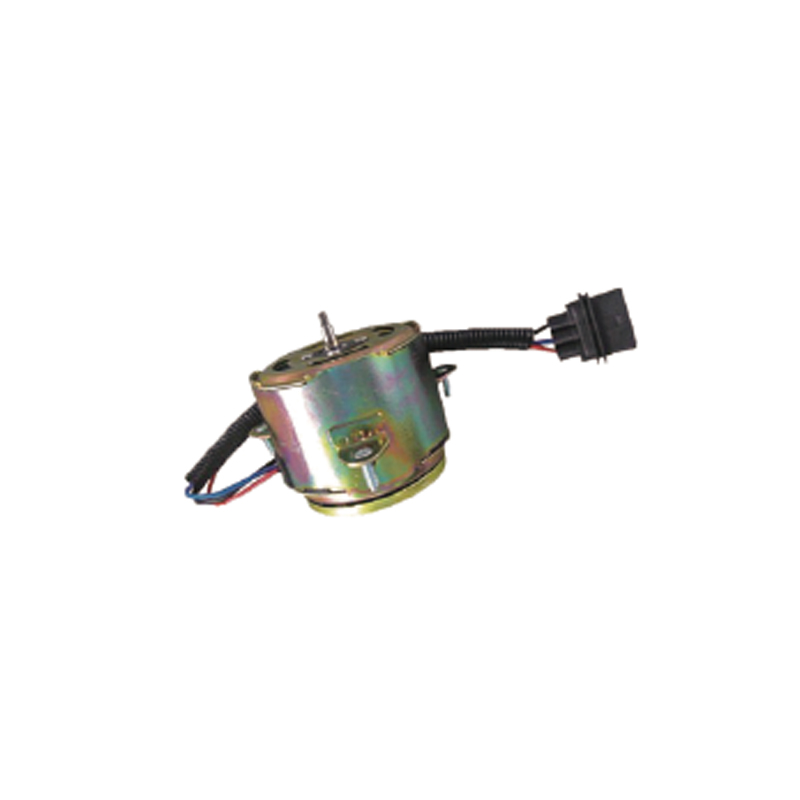
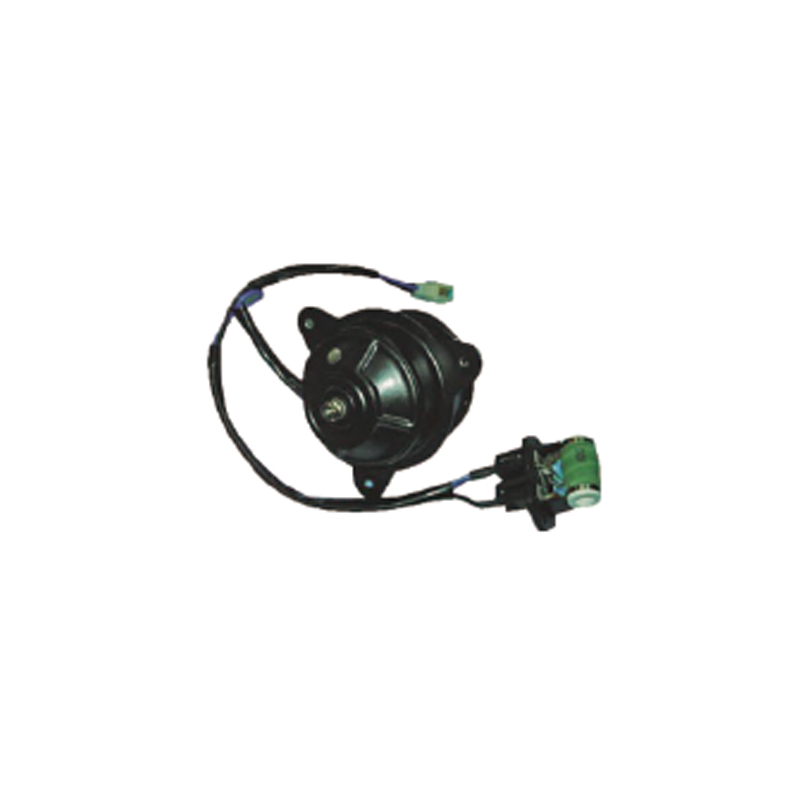
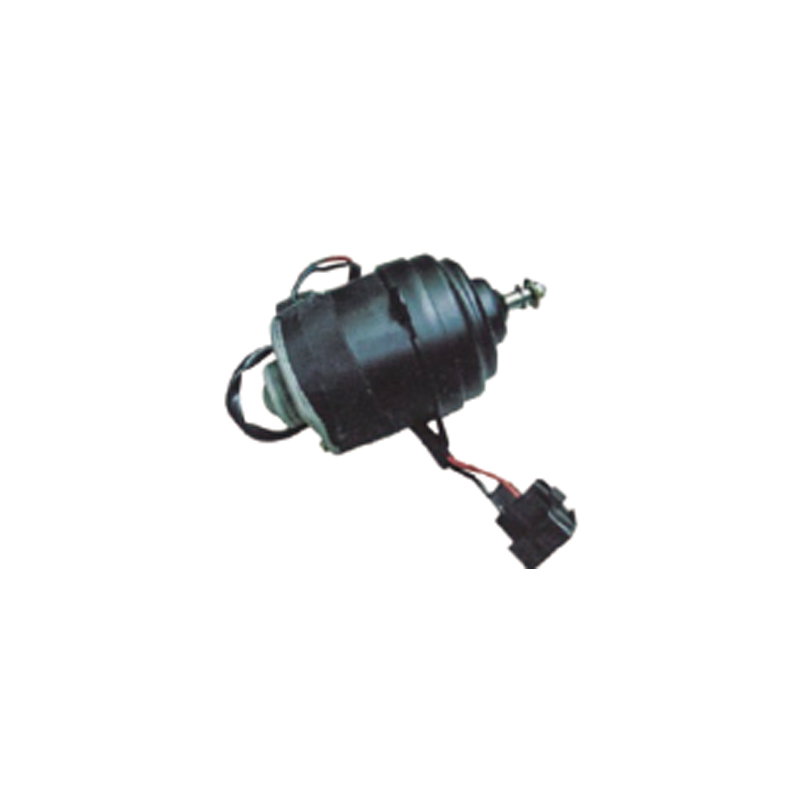
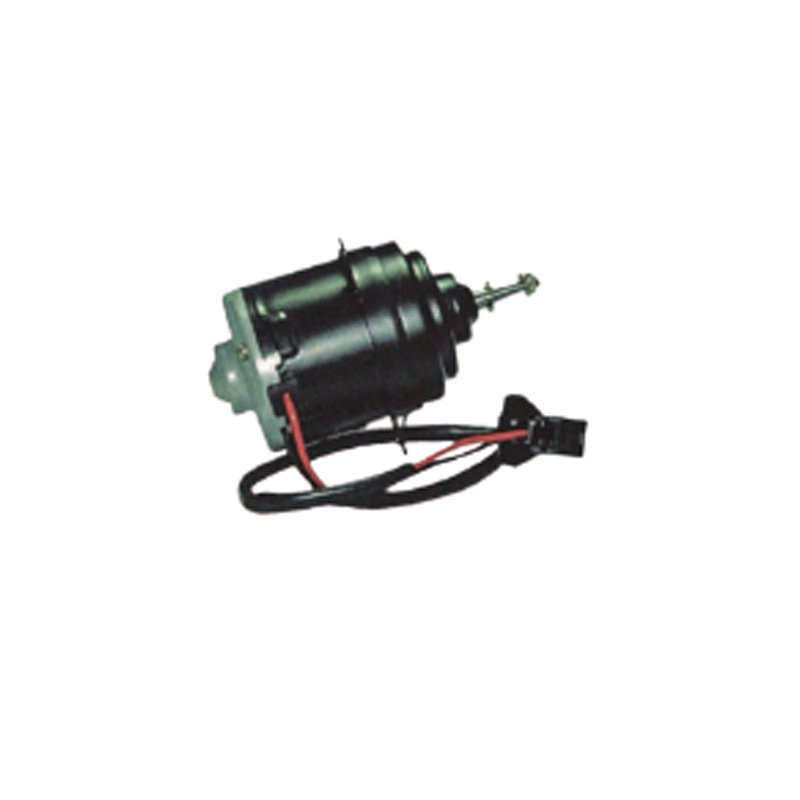
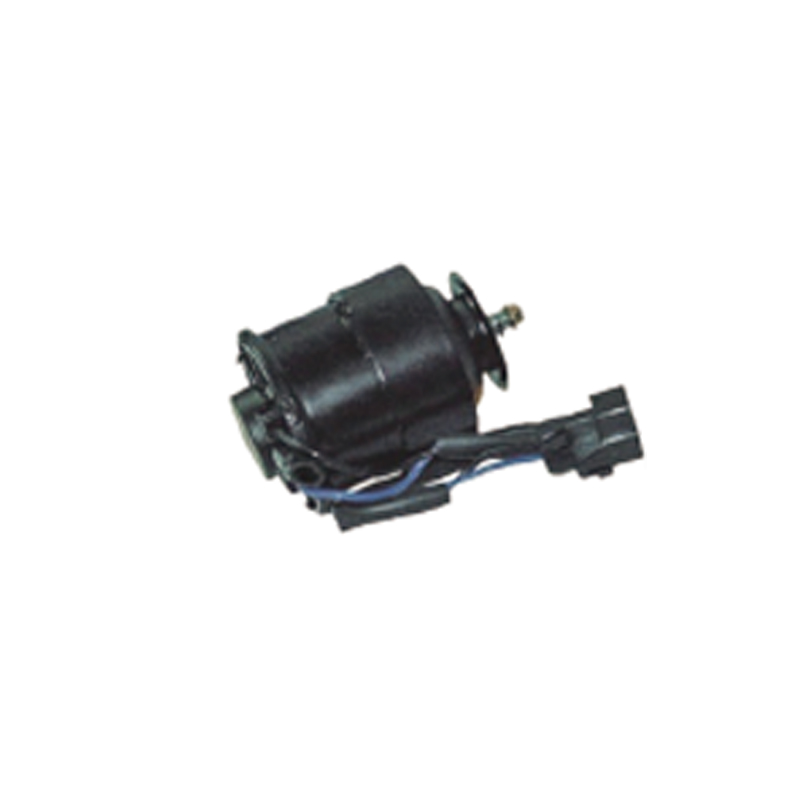
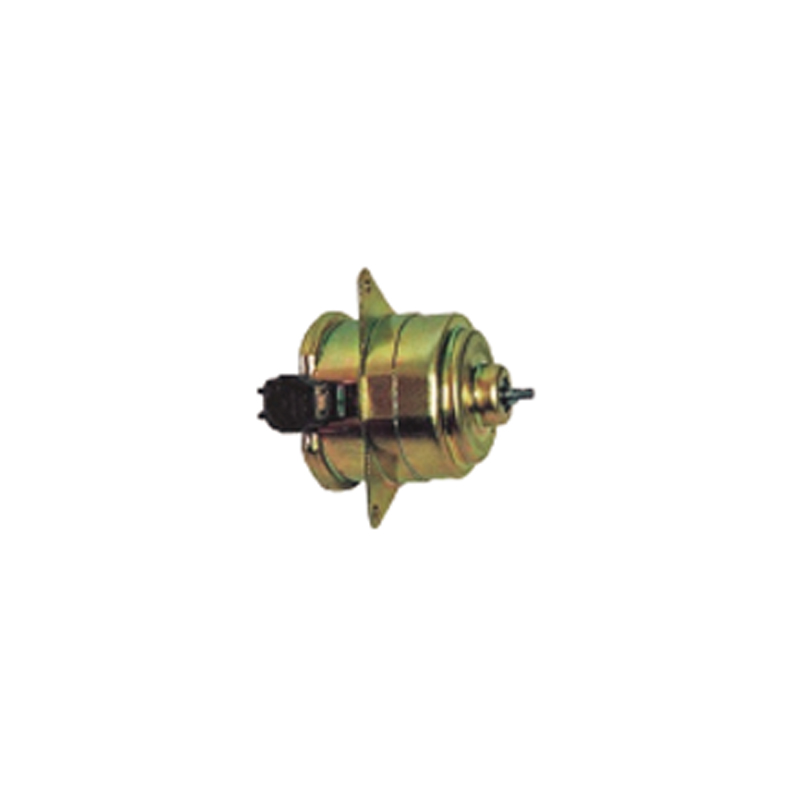
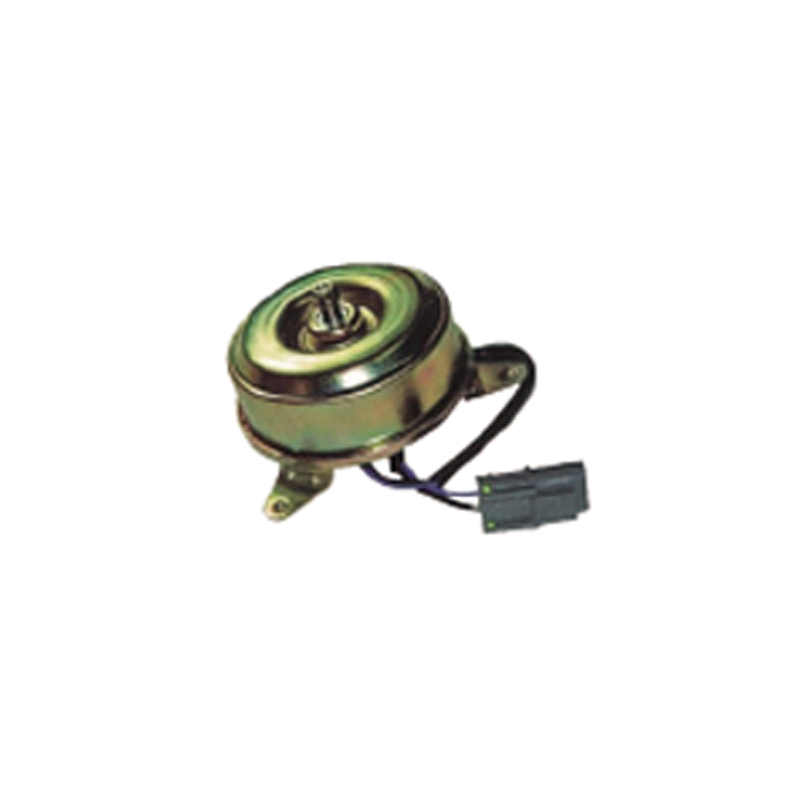
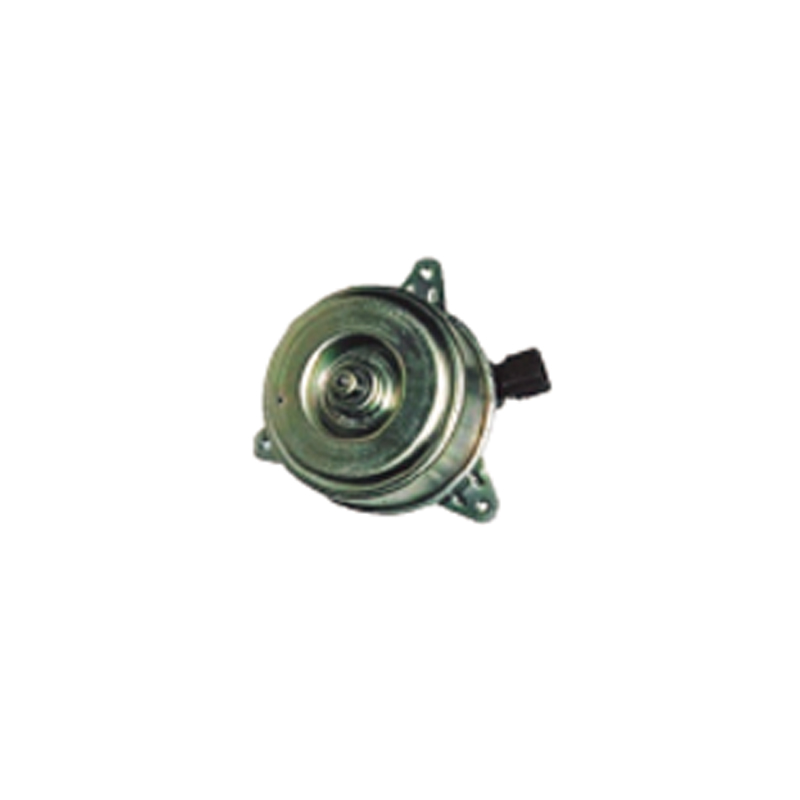
A condensing fan is an electric axial fan installed beside a condenser coil in a refrigeration, air conditioning or heat rejection system. Its role is to pull ambient air across the coil so that the hot refrigerant or coolant inside releases its heat to the surrounding air. Engineers also call the same component a condenser fan, and the two terms are used almost interchangeably in technical catalogs and search queries.
Without adequate airflow, the coil temperature rises, the pressure inside the system climbs and the compressor works harder. A well matched condensing fan keeps heat exchange stable across changing loads, which protects components and reduces energy consumption over the life of the equipment.
Inside the fan, a direct current motor turns a hub fitted with blades. The blades create an axial airflow that travels in the same direction as the shaft. Because the air passes straight through the fan and across the fins, this design works well in compact spaces where air must be pushed through a dense heat exchanger.
Blade geometry is the first decision point. Each design balances airflow volume, static pressure tolerance, noise and cost differently, so the best choice depends on what restricts the air path downstream of the fan. Restriction usually comes from fin density, filters, grilles or nearby structures.
Straight blades are simple and economical. They move a large volume of air at relatively low pressure, which suits open or lightly restricted spaces such as a radiator stack in a vehicle engine bay or a condenser mounted with generous clearance around it.
Curved blades, sometimes called swept or profiled blades, are shaped to increase the pressure rise across the blade. They maintain performance when air meets resistance from dense fin packs or filters, and they often run more quietly at the same duty point.
Blower-style units use a centrifugal wheel to push air at higher static pressure. They are used when the air path is long, enclosed or heavily filtered, such as energy storage cabinets and equipment bays with tight ducting.
| Characteristic | Straight Blade | Curved Blade | Blower Style |
|---|---|---|---|
| Airflow volume | High | Medium to high | Medium |
| Static pressure tolerance | Low to medium | Medium to high | High |
| Noise at equal duty | Moderate | Lower | Moderate |
| Typical installation | Open or spacious | Dense cooling core | Enclosed or ducted |
Common diameters fall between 7 and 16 inches. Smaller fans fit compact vehicle or equipment envelopes, while larger diameters move more air at lower rotational speed, which usually reduces noise. Diameter is therefore the first filter in most selection processes.
Diameter is not the only factor. Motor power, blade pitch, speed and frame depth all shape final airflow. Use diameter as the first filter, then confirm performance against the heat rejection the coil requires and the mounting space available.
A general principle in system design is to match the fan's swept area to the coil face area so that air crosses the fins evenly. A large coil face served by a single small fan develops hot spots and uneven temperature, while an oversized fan wastes power and creates unnecessary noise.
Noise and energy use are often treated as separate specifications, yet both are tied to the same design decisions. Blade shape, rotational speed, motor type and frame geometry all influence sound and power draw. Engineers usually evaluate them together rather than optimizing one at the expense of the other.
Lower rotational speed generally reduces noise, and a larger diameter can deliver similar airflow at a lower speed. This is why a 16 inch fan may be preferred in a noise sensitive setting even though it occupies more space. Brushless DC motors with electronic commutation also tend to offer better efficiency and longer service life than brushed alternatives, because they avoid brush wear.
DC condensing fans are most often specified at 12V or 24V. The choice follows the power source of the host equipment. Vehicles and many mobile machines operate on 12V or 24V electrical systems, while stationary storage cabinets may draw from a regulated 24V bus.
Each sector places different stress on the fan. Understanding these operating conditions early helps narrow the blade type, motor sealing and control strategy before prototype testing begins.
| Industry | Main Cooling Challenge | Priority Fan Features |
|---|---|---|
| Automotive | Limited space and high ambient heat | Compact size, fast response, vibration resistance |
| Construction machinery | Dust, heat and constant vibration | Sealed motor, robust frame, filtered airflow |
| Railway | Long duty cycles and strict noise limits | Low noise, durable bearings, stable speed control |
| Marine | Salt air and high humidity | Corrosion resistant materials, sealed electrical parts |
| Energy storage | Concentrated heat in closed cabinets | Higher static pressure, temperature based control |
| Commercial refrigeration | Continuous operation | Energy efficiency, long bearing life |
Even a well chosen fan underperforms when installation ignores the airflow path. Several practical points apply across nearly every industry.
Hot discharge air returning to the intake reduces effective cooling. Shrouds or baffles that separate the intake and exhaust zones are an inexpensive way to restore performance without changing the fan itself.
A condensing fan is a simple device, but its service life depends heavily on how contamination, vibration and electrical stress are managed over time. A short, consistent routine catches problems while they are still inexpensive to fix.
Cleaning frequency should follow the environment. A fan in an enclosed clean area may need inspection only a few times a year, while construction or mining sites may need checks every week.
Most field failures fall into a small number of categories. The table below links typical symptoms to probable causes and first actions.
| Symptom | Likely Cause | Recommended Action |
|---|---|---|
| Fan does not start | Blown fuse, broken wire or failed control signal | Check supply voltage at the connector, then test the control input |
| Abnormal noise | Blade damage, debris or worn bearing | Stop the fan, clean the blades and inspect for rubbing |
| Weak airflow | Dirty fins, reversed rotation or low speed setting | Clean the coil, verify rotation direction and speed command |
| Motor overheating | Restricted cooling, high ambient heat or overload | Improve the airflow path and confirm rated current |
| Intermittent operation | Loose connector or thermal protection cycling | Tighten connections and review thermal limits |
When troubleshooting, change one variable at a time. Measuring voltage under load is more informative than a static check, because a fan that turns freely by hand may still fail once the motor draws current.
Clear specifications shorten sourcing time and reduce the risk of redesign. When requesting samples or quotations, prepare the following information.
Suppliers with engineering support can often propose adjustments such as alternative blade geometry, custom connectors or revised speed curves. Requesting test data and a bench sample is a practical way to verify performance before committing to a bulk order.
The terms describe the same type of component. Condensing fan is common in product catalogs, while condenser fan appears often in technical literature. Both refer to a fan that pushes or pulls air across a condenser coil.
Curved blades usually handle higher resistance from dense fin packs better than straight blades. The final choice should be confirmed with airflow and pressure data for the specific layout.
Not reliably. Operating a fan outside its rated voltage can cause overheating, reduced airflow or premature failure. Confirm the allowable voltage range with the manufacturer before making any change.
Cleaning frequency depends on the environment. Clean areas may need only periodic checks, while dusty industrial or outdoor sites may require cleaning every few weeks.
Provide the voltage, diameter, airflow target, noise limit, environmental conditions, connector type and expected service life. Sample testing helps confirm the design before production begins.
Common causes include debris on the blades, imbalance from minor damage and bearing wear. Stopping the fan and inspecting these items usually reveals the source of the noise.
Your email address will not be published. Required fields are marked *

Zhejiang Nicety Electric Machinery Co., Ltd. specializes in the production of four series of products: condenser electronic fan, radiator (water tank) fan, blower, and air conditioner assembly. Professional production American, European, Japanese, Korean And Domestic brand DC automotive axial fans.
Email: [email protected] / [email protected]
Tel: +86-0578-7125439 / +86 181 0658 9231
Address:No. 98, Guangda Street, Jinsha Industrial Zone, Longquan City, Zhejiang Province, China